
Events
We are organising a series of events including workshops, seminars and conferences to gather thoughts, inspire research and disseminate outputs.
The workshop of ‘2023 UCL ChinaUrban: Rethinking China’s Urban Governance’, Dali, China. 10/11/2023-13/11/2023
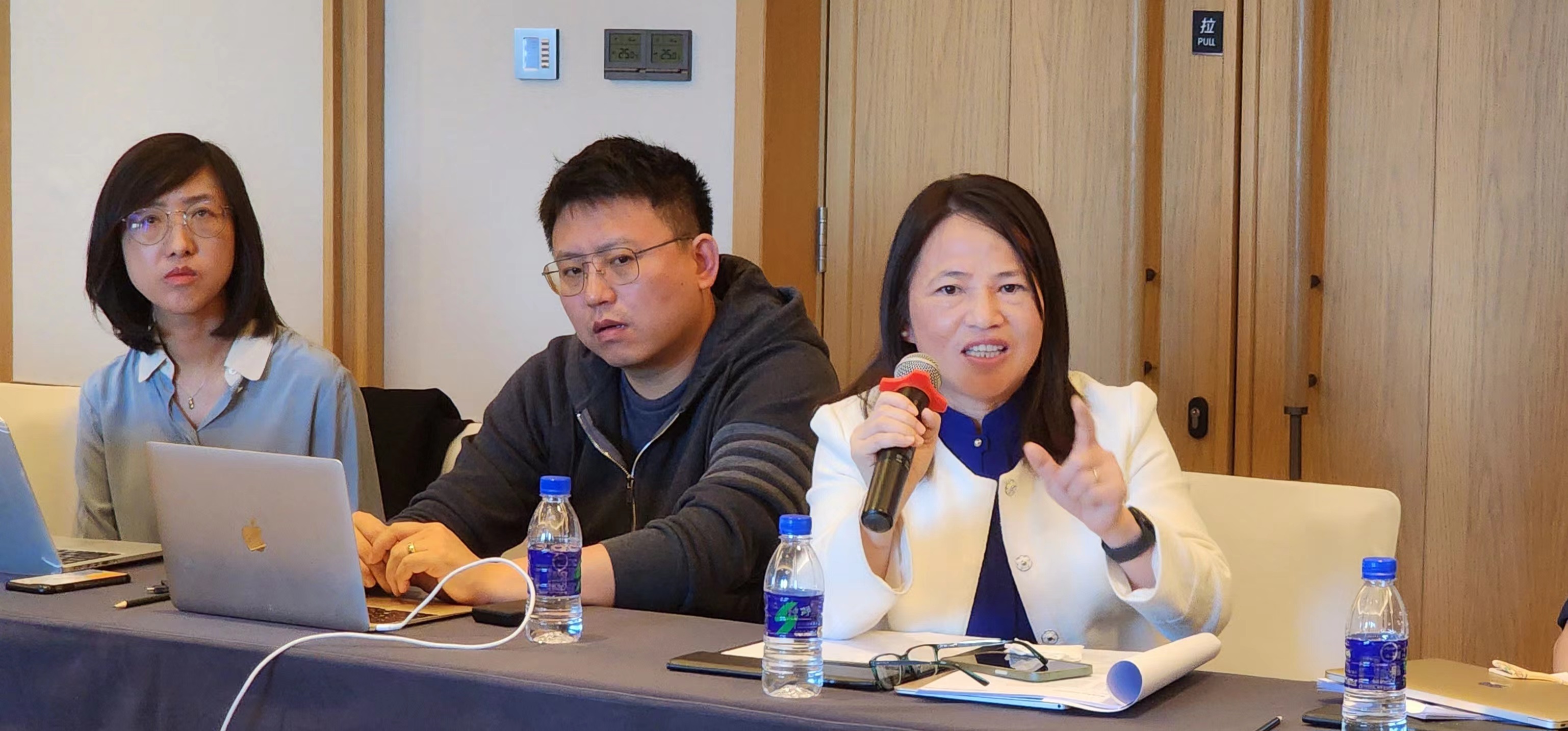
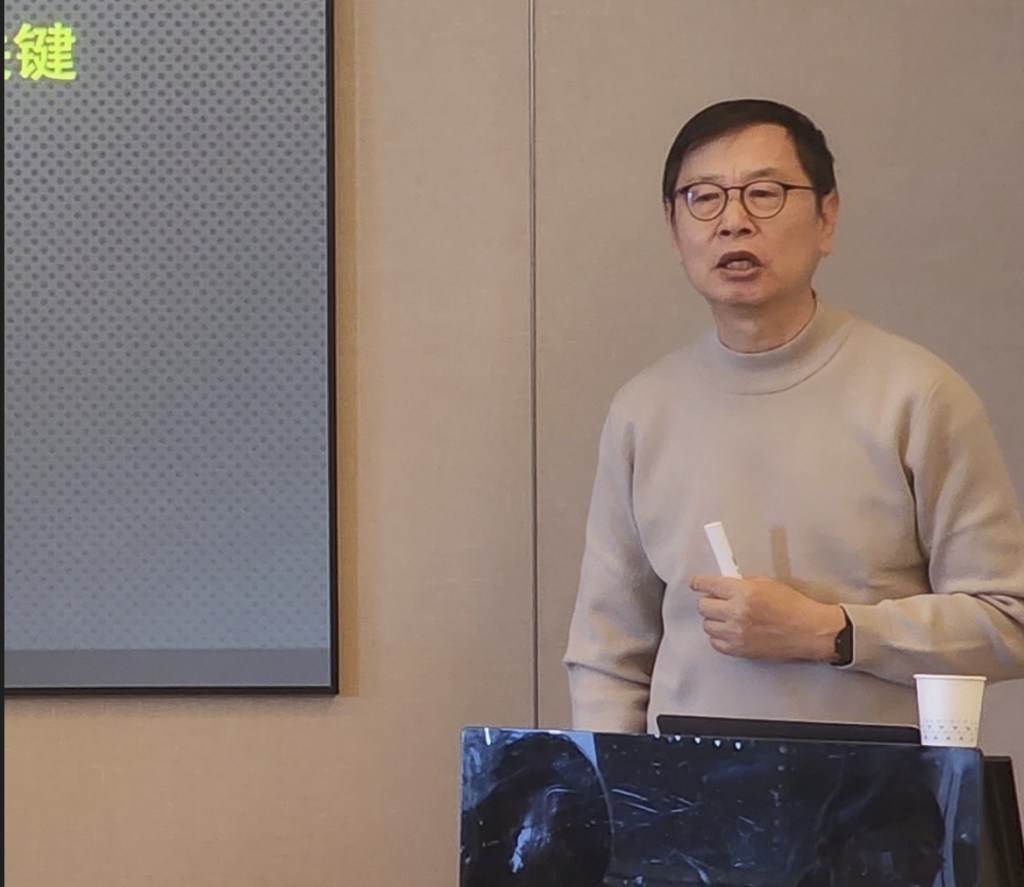
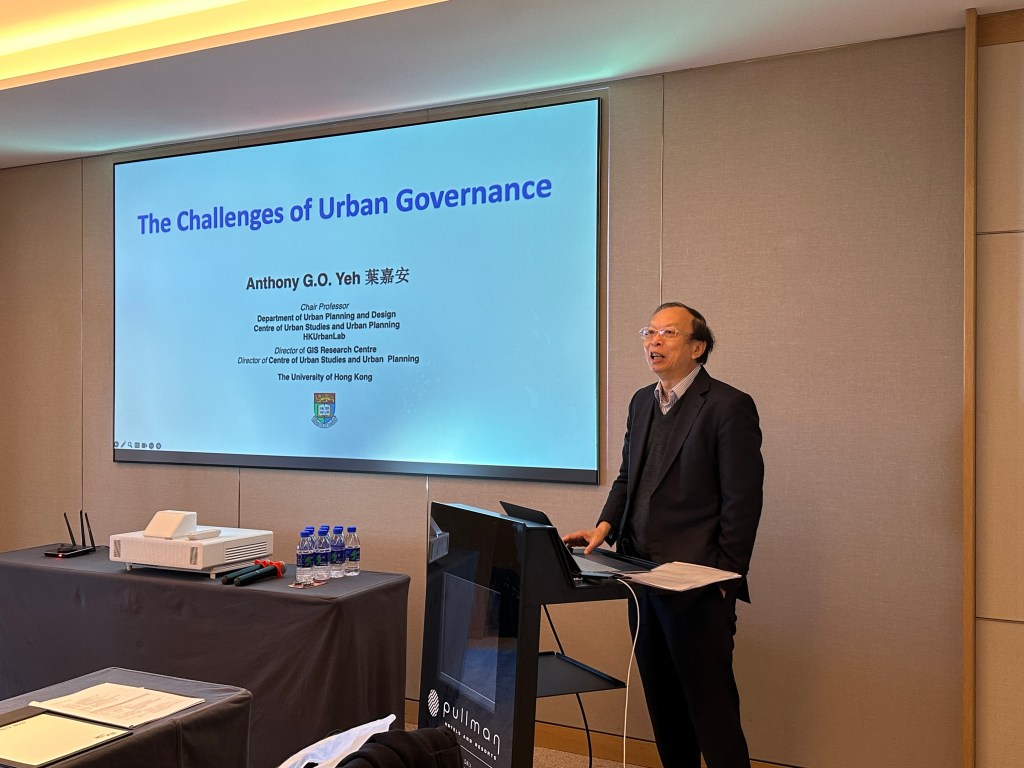
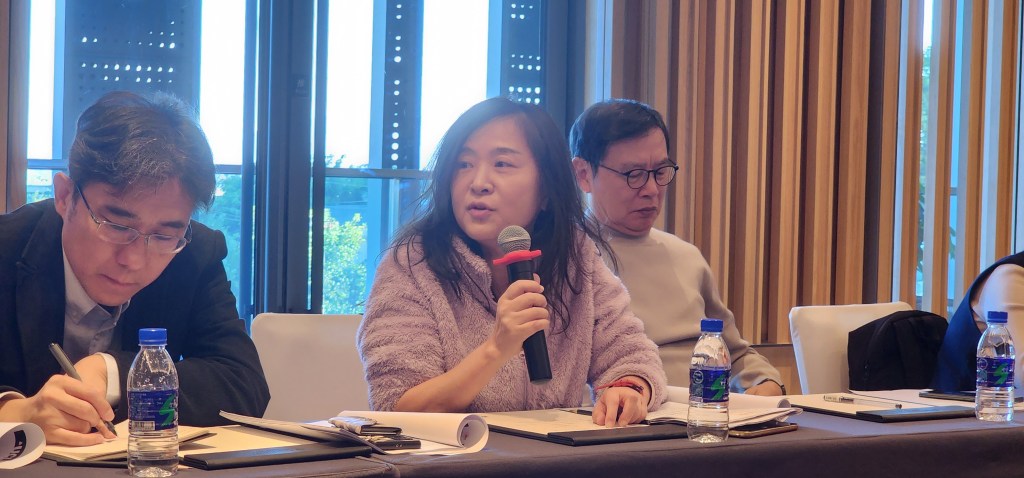
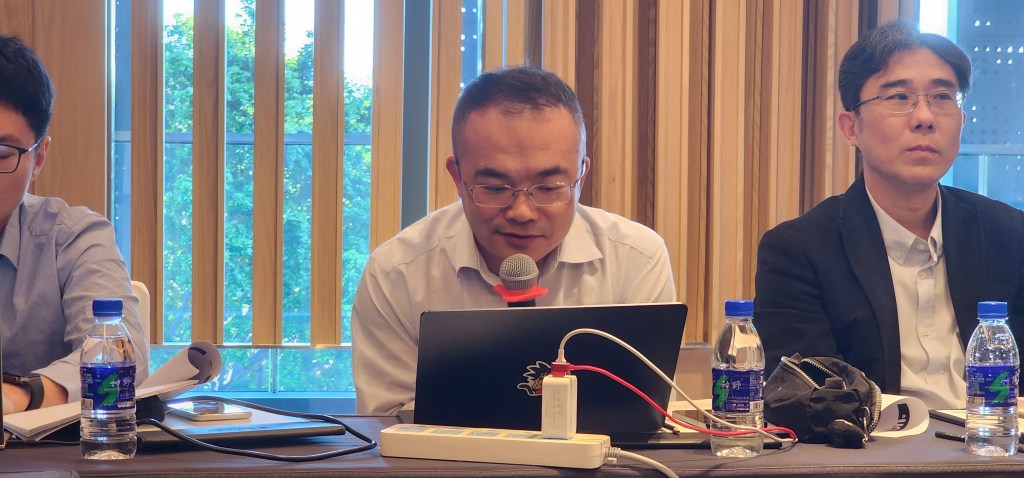
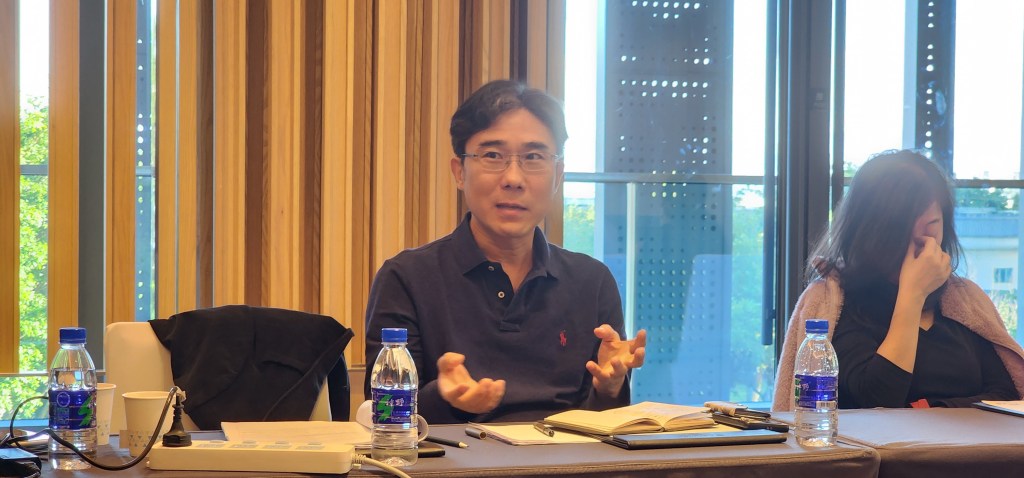
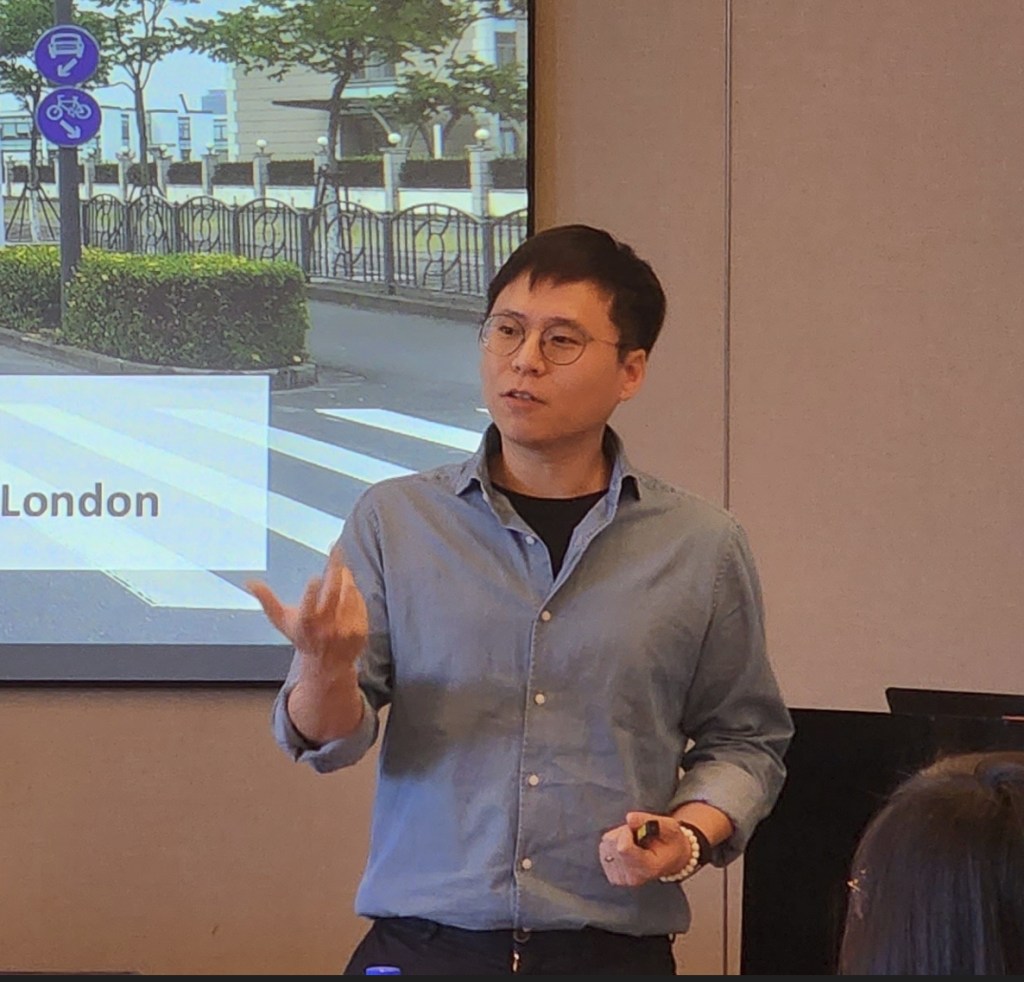
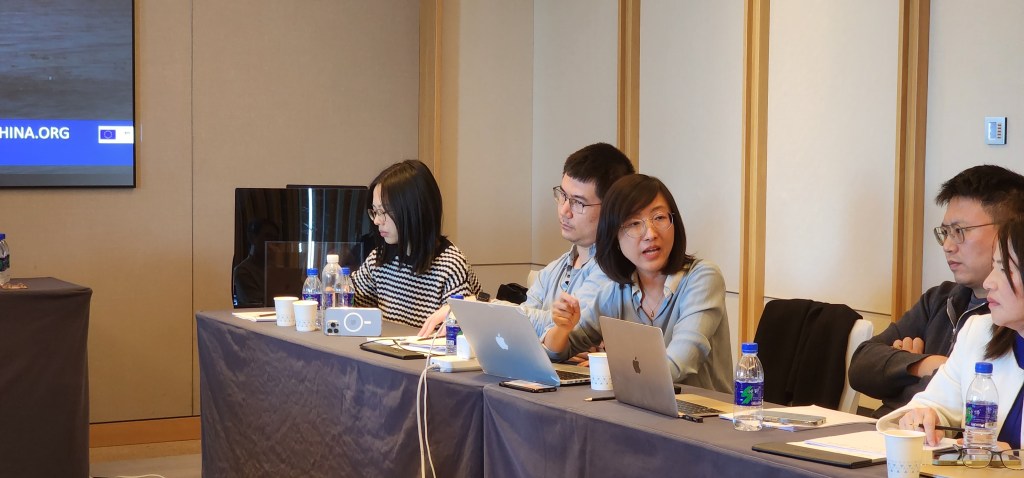
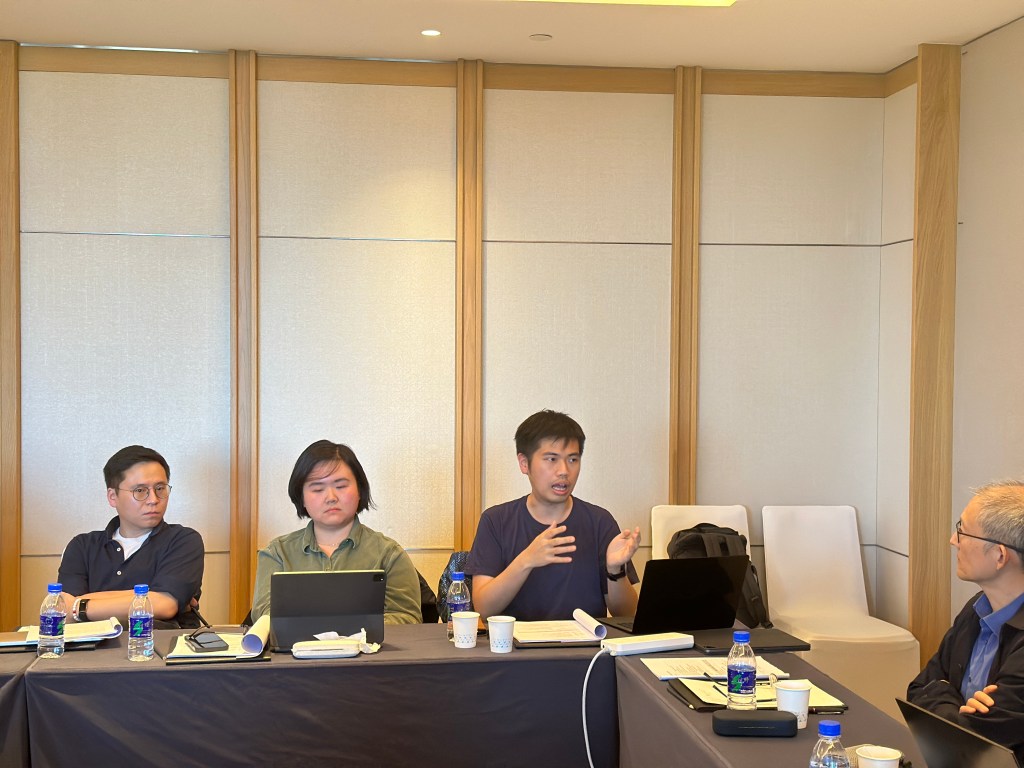
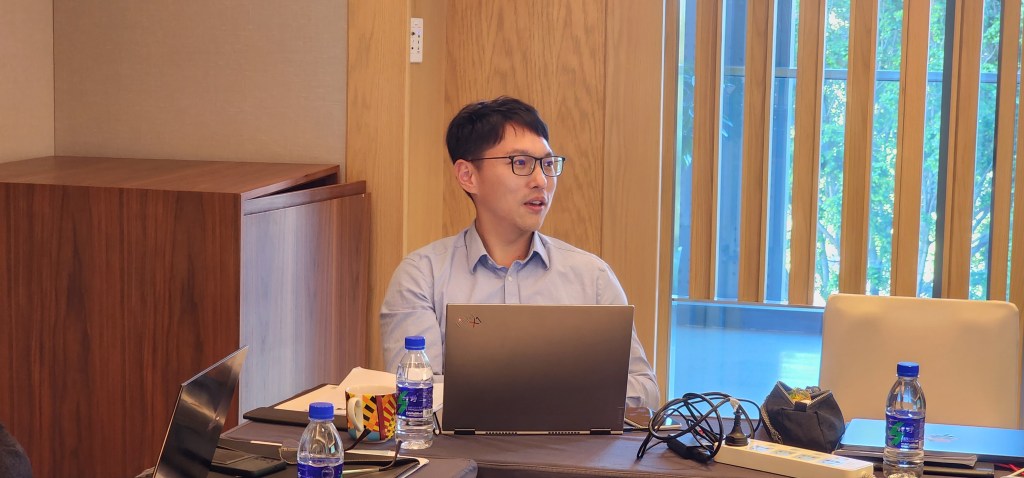
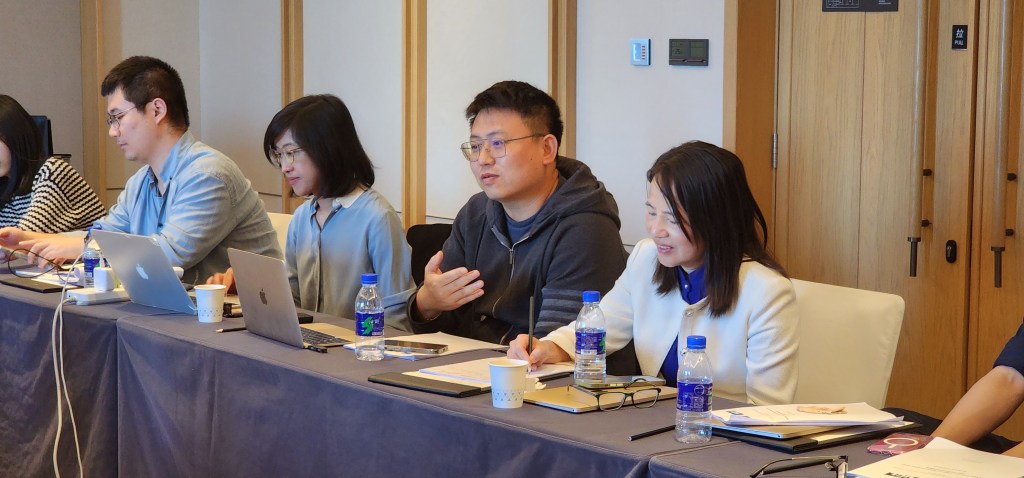
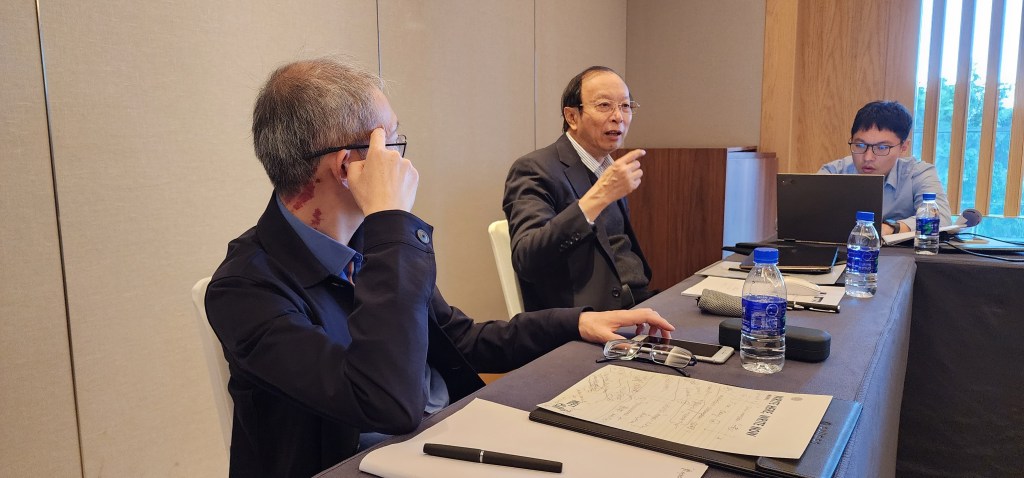
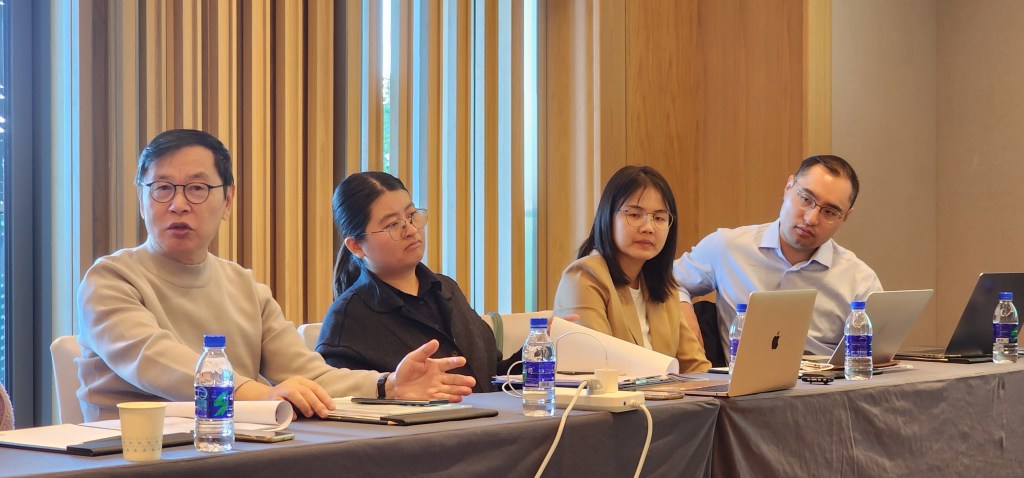
Funded by the project, the team held the workshop of ‘2023 UCL ChinaUrban: Rethinking China’s Urban Governance’ in Dali City, Yunnan Province, China from 10/11/2023 to 13/11/2023. The theme of the workshop was ‘The logic to govern: China’s urban governance under state entrepreneurialism’. Prof. Fulong Wu, Prof. Fangzhu Zhang, Dr. Yi Feng, Kan Zhu, and Handuo Deng shared their work. This workshop attracted 18 scholars from UCL, KCL, The University of Hong Kong, The Chinese University of Hong Kong, Wuhan University, Fudan University, and other universities from mainland China. Participants were invited to illustrate their grounded observations from China and how to understand them. Participants actively engaged in discussions surrounding ‘state entrepreneurialism’, exploring its transformation and applicability in the post-pandemic context. This workshop significantly contributes to the research on China’s urban governance, particularly in terms of state-society-market relationship.
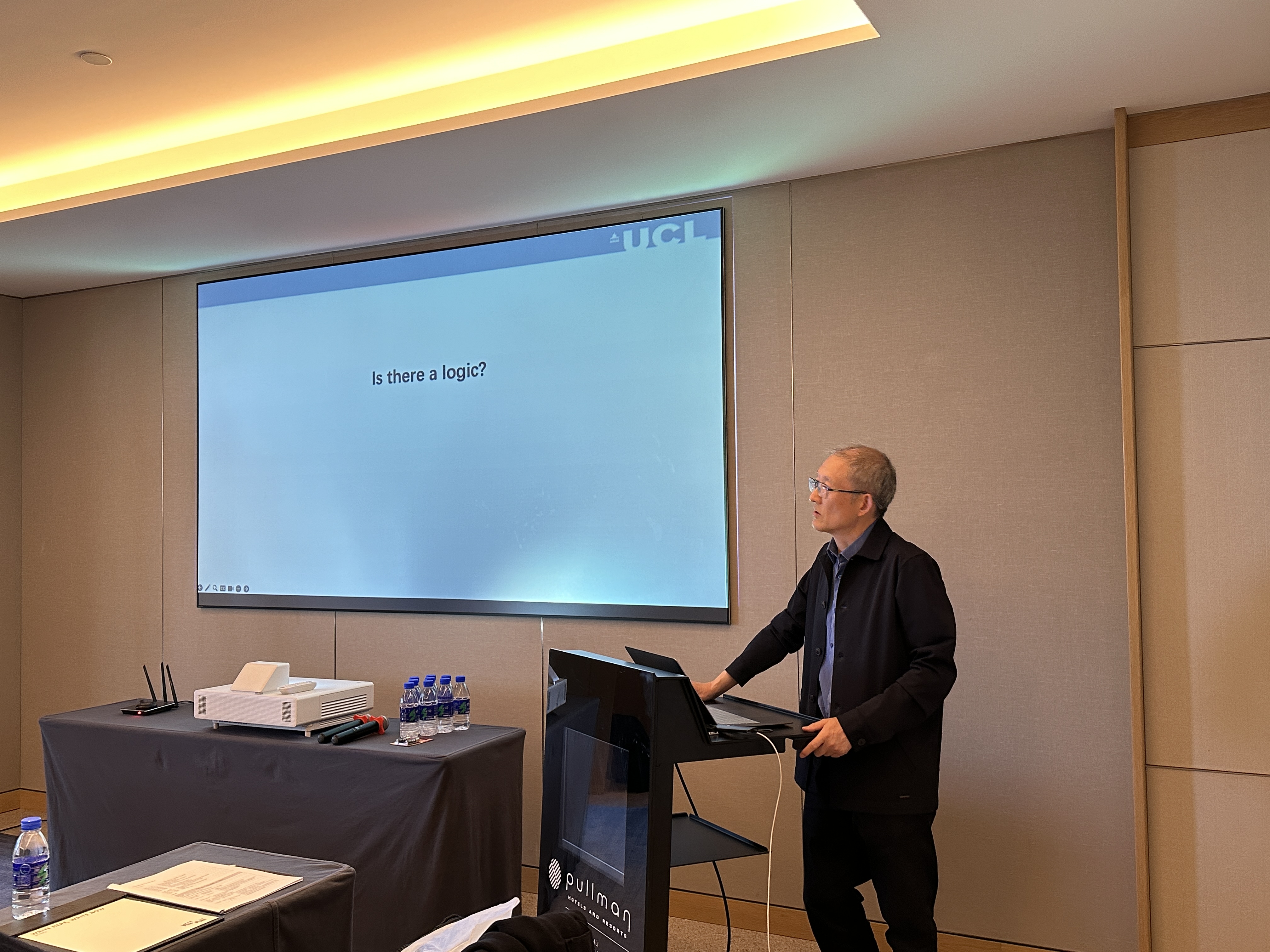

Professor Fulong Wu shared his thought about the theme of the workshop ‘The logic to govern: China’s urban governance under state entrepreneurialism’. On the historical and material grounds of neighbourhoods, cities, and regions, China scholars investigate versatile governance approaches to urban regeneration, community rebuilding, environmental improvement, and city-regional integration. Chinese cities are driven by land-financed infrastructure development. Nevertheless, urban governance is subject to the political mandate of a multi-scalar state. Down to residential communities, the state promotes social participation to achieve ‘co-production’. Beyond the city, the state fosters regional integration and configures city-region with economic and geopolitical strategies. The view of state entrepreneurialism explains how the state maintains its strategic and extra-economic intention through deploying and mobilizing market and society – to create its own agents and to co-opt those that are already existent or emerging.
Professor Fangzhu Zhang shared her work titled ‘The socio-ecological fix by multi-scalar states: The development of ‘Greenways of Paradise’ in Chengdu’. Using the perspective of the socio-ecological fix, this research demonstrates that multi-scalar states strive to upgrade environmental quality. It reveals complex motivations to incorporate ecological changes into entrepreneurial urban governance instead of encroaching greenspace for economic growth. The state-centred analysis reveals that such an environmental strategy, the making of Chinese green urbanism, is promoted like a political mission, despite its operation by the development corporation. This research argues that, while the socio-ecological fix facilitates capital accumulation, its deployment must be understood through state politics and actors.
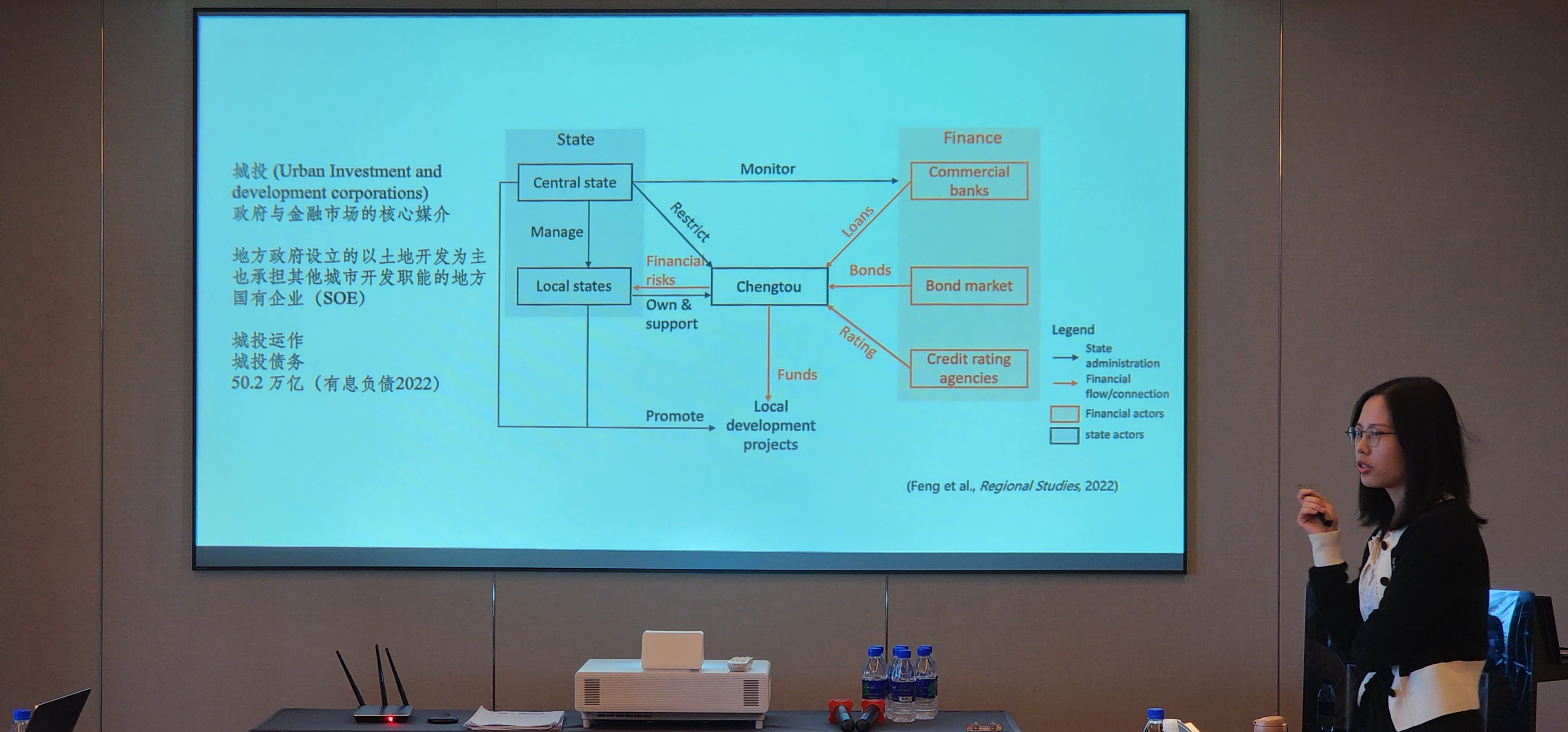
Dr. Yi Feng presented her work ‘Transforming municipal statecraft in China, the development of Chengtou‘. This research investigates how local states utilize urban development and investment corporations (chengtou) in China. This study finds chengtou represents a similar form of municipal statecraft —delivering public goods (facilities and services) and capturing land development premiums. Nevertheless, the development of chengtou is contingent upon the changing dynamics of central-local relationships in China. On the one hand, chengtou seek funds and conduct state strategic projects to align with central mandates. Municipal statecraft is a municipal form of statecraft, reflecting central initiatives. On the other, beset by alarming financial risks, local states still rely on chengtou to pursue local investment-led development. This practice is against the re-centralizing control over local finance. In this sense, municipal states gain their autonomy through the deployment of municipal statecraft.
Kan Zhu shared his work ‘Governing innovation-driven development in China’. His research investigates the governance of China’s innovation-driven development. The case study, Zhangjiang Science City in Shanghai, reflects that this innovation space is governed under state entrepreneurialism, which incorporates state strategies and state-created market actors. In Zhangjiang, the national innovation strategy for the National Comprehensive Innovation Center upgrades the former high-tech zone. The governance of Zhangjiang Science City demonstrates a strengthened state centrality to guide state-created market actors in implementing the science city. The research has two contributions. First, it engages with the transformation of innovation spaces and provides political-economic characteristics of China’s innovation-driven development. Second, it reflects China’s governance change through an innovation-driven urban development project. The study presents the complexity of the state in implementing rising state innovation strategies through variegated operations.
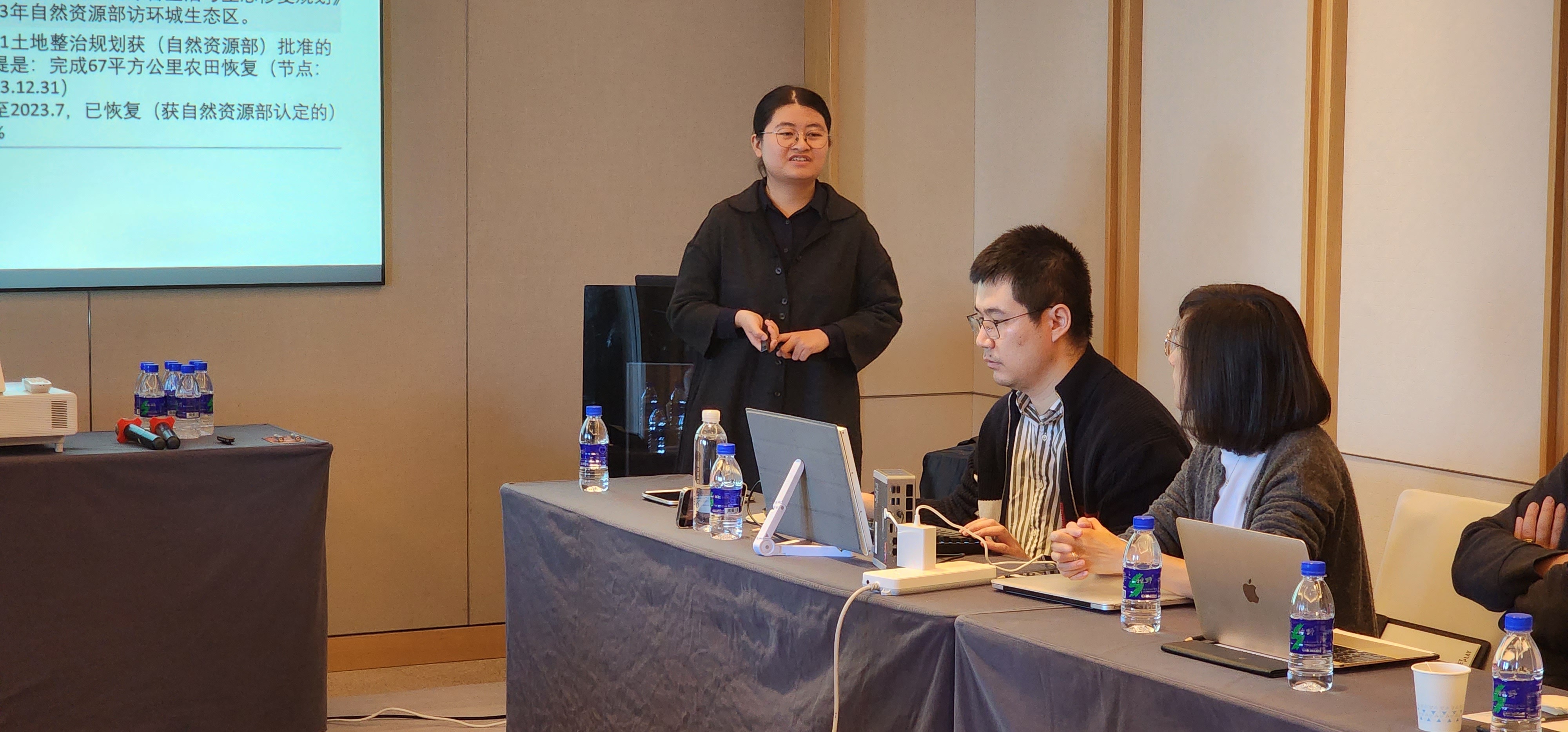
Handuo Deng presented her work ‘Greenway building and arable land restoration of the Ecological Ring Zone, Chengdu: changing governance in dialectic of territorial and capital logic’. The research examines how territorial logic has dominated its dynamic dialectic with capital logic in Chengdu’s changing governance of the Ecological Ring Zone (ERZ). The research finds that municipal government turned from reacting to urban sprawl, to proactively steering it as a growth hub, to implementing multiple strategic initiatives. Tensions within territorial logic also arise in central-local state relations. This territorial logic dynamic interacts with capital accumulation in interdependence and crisis. The ERZ becomes a converging point of capital logic and territorial logic in constant multi-scalar struggles. The material practice embodies the ‘Park City’ discourse, essentially urban development under state entrepreneurialism.
The rest of the participants, including established senior scholars and young promising academics, also shared their work. The workshop generated heated discussions and productive dialogues, contributing greatly to research and policy making.

 ChinaUrban