
Events
We are organising a series of events including workshops, seminars and conferences to gather thoughts, inspire research and disseminate outputs.
Academic Conference of International Chinese Urban Governance and Policy, Shanghai, China. 15/07/2023-16/07/2023
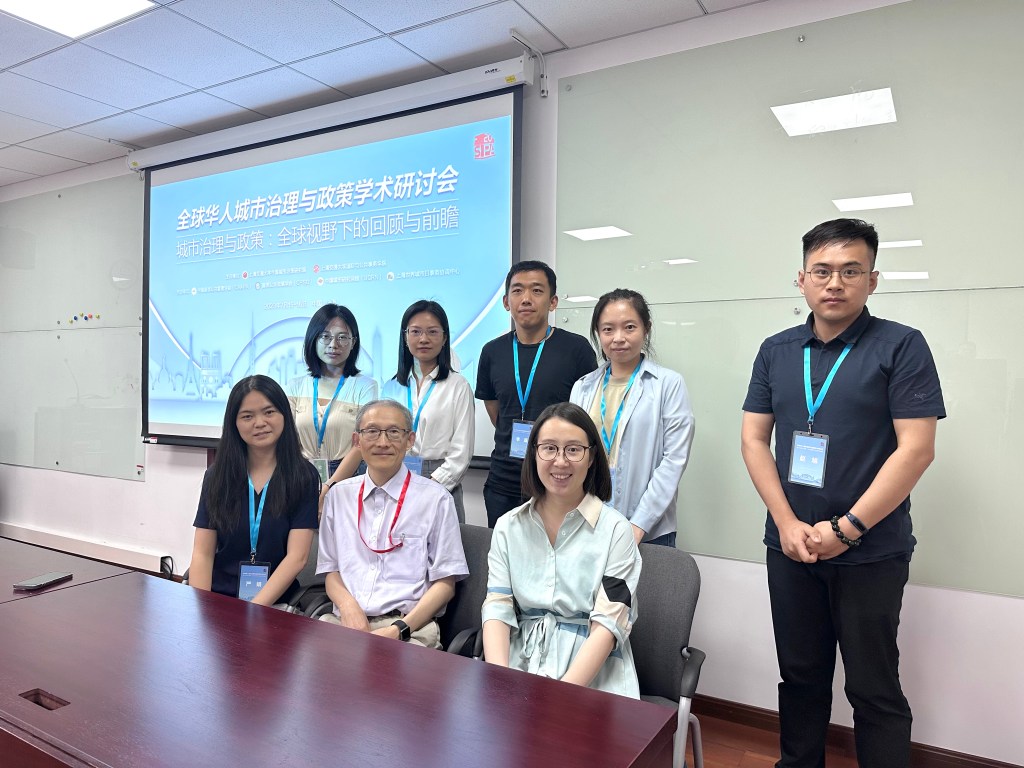
Professor Fulong Wu, Dr. Yi Feng, and Handuo Deng attended the Academic Conference of International Chinese Urban Governance and Policy in Shanghai, China. Professor Wu gave keynote speech during the opening ceremony. Dr. Yi Feng and Handuo Deng presented their work in parallel sessions.

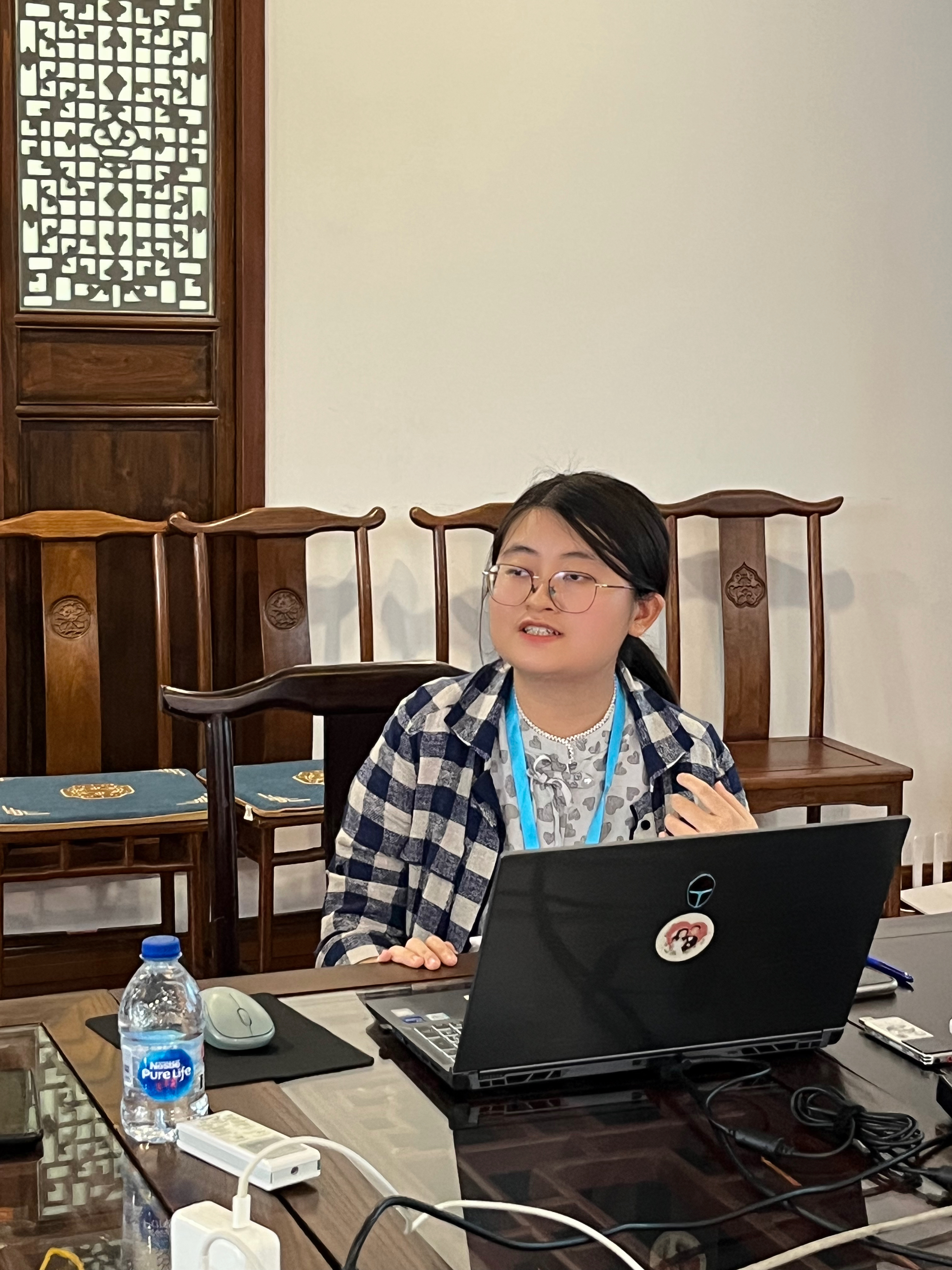
Professor Fulong Wu gave his keynote speech ‘Rethinking China’s urban governance: the narratives of urban geographies and historical conjunctures (再思索中国城市治理:城市地理与历史节点的叙述)’. He emphasised the importance of geographical, historical and conjunctural perspectives in examining China’s urban governance. There have been four types of urban geographies of China, including traditional neighbourhoods in the old city area, single work unit living quarters, mixed comprehensive communities, and rural-urban fringe villiages. The state has always been key to shaping the geographies. ‘Planning centrality, market instruments’, which reflects the crucial role of the state and is the core idea of the concept state entrepreneurialism, appropriately shows the features of China’s urban governance at neighbourhood, city and regional levels.
Handuo Deng presented her work ‘Positioning China’s state entrepreneurialism in structural coherence and multiple logics’. This research reviews the literature on state entrepreneurialism. It clarifies the theoretical construction of state entrepreneurialism in the historical context and identifies the tension between the structural coherence for capital accumulation and the multiple logics by the state. This research also compares state entrepreneurialism with other alternative studies on Chinese urban governance, thus revealing its structuralist roots of conceptualisation. Its distinctive ontological understanding of China’s urban governance emphasises structural coherence. This research calls for rethinking the evolving structural coherence underlying the strategic reconstruction in the recent decade in which the party-state plays a central role.
Dr. Yi Feng presented her work ‘Shanghai municipal investment corporation: Extending government power through financialization under state entrepreneurialism’. This research unpacks financialized urban governance in China based on the operation of Shanghai Municipal Investment Corporation (SMI). Based on the latest corporatization of SMI, the research illustrates an embryonic form of financialized governance in which the Shanghai municipal government relies on financial means especially shareholding to manage and support SMI. In doing so, the municipal government internalizes financial techniques to manage state assets, seek funding, and guide urban development projects. The research argues that the power of the state is not undermined during the process of financialization. Instead, the Shanghai government extends its power to the financial market to achieve its goals.
 ChinaUrban