
Events
We are organising a series of events including workshops, seminars and conferences to gather thoughts, inspire research and disseminate outputs.
Annual Conference of GSC Commission on Urban Geography, Wuhan, China. 15/09/2023-18/09/2023
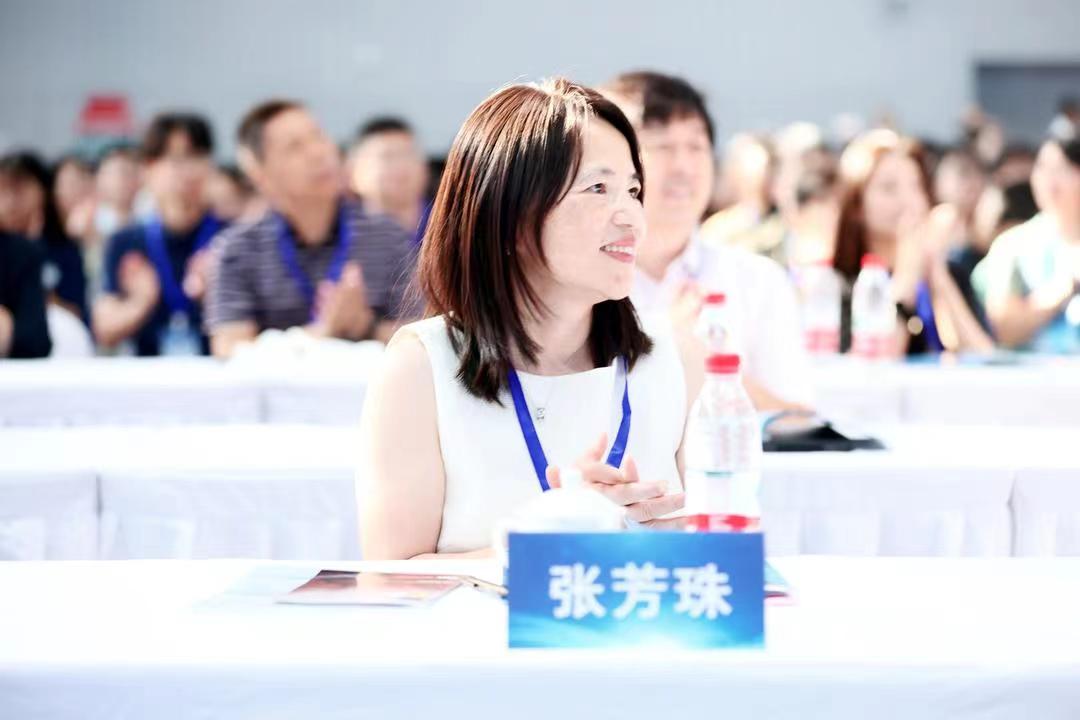
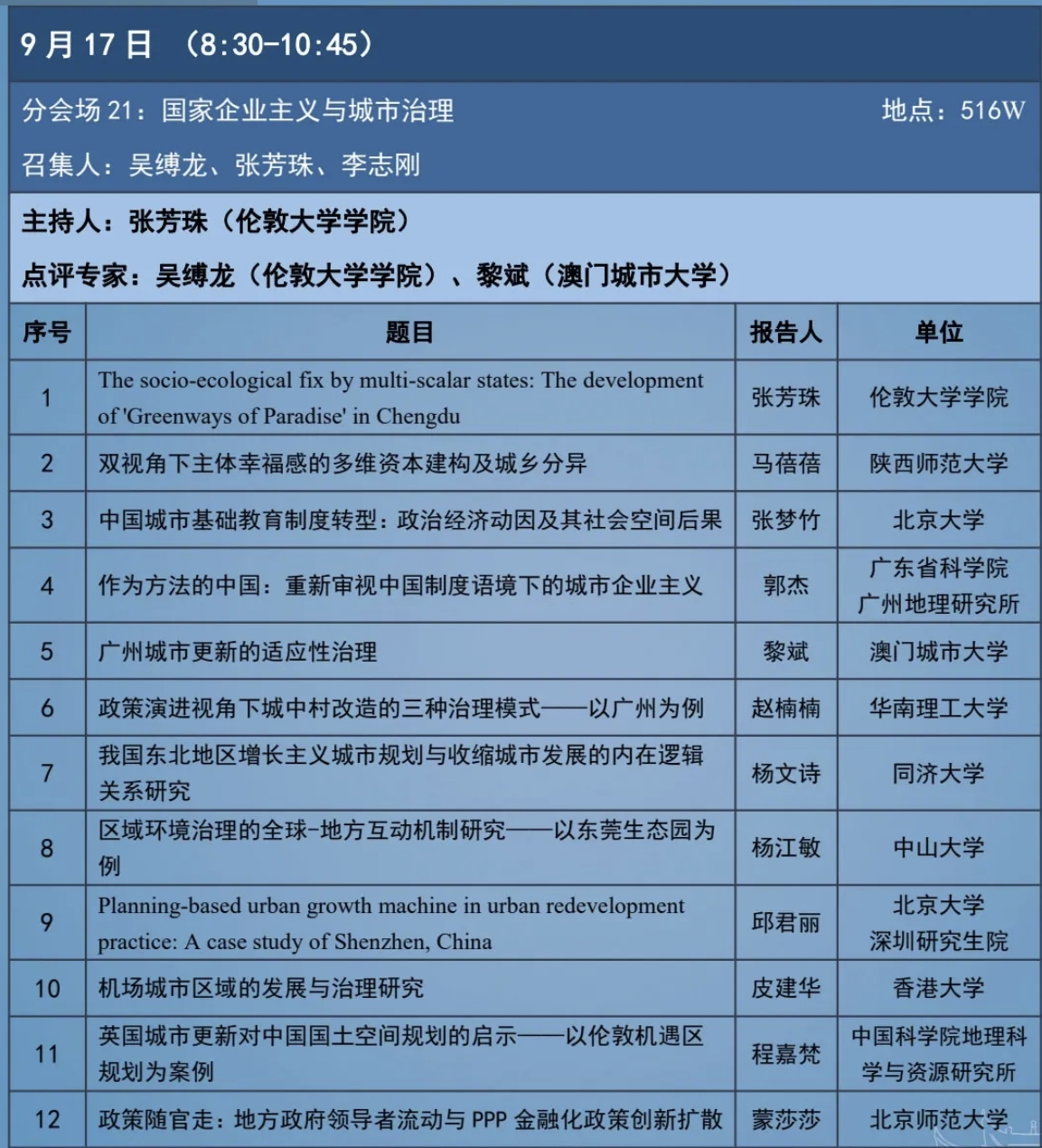
Professor Fulong Wu and Professor Fangzhu Zhang attended the Annual Conference of GSC (The Geographical Society of China) Commission on Urban Geography in Wuhan, China. Professor Wu gave keynote speech during the opening ceremony. Professor Wu, Professor Zhang and Professor Zhigang Li at Wuhan University organised a special session ‘state entrepreneurialism and urban governance’ comprised by 12 presentations.
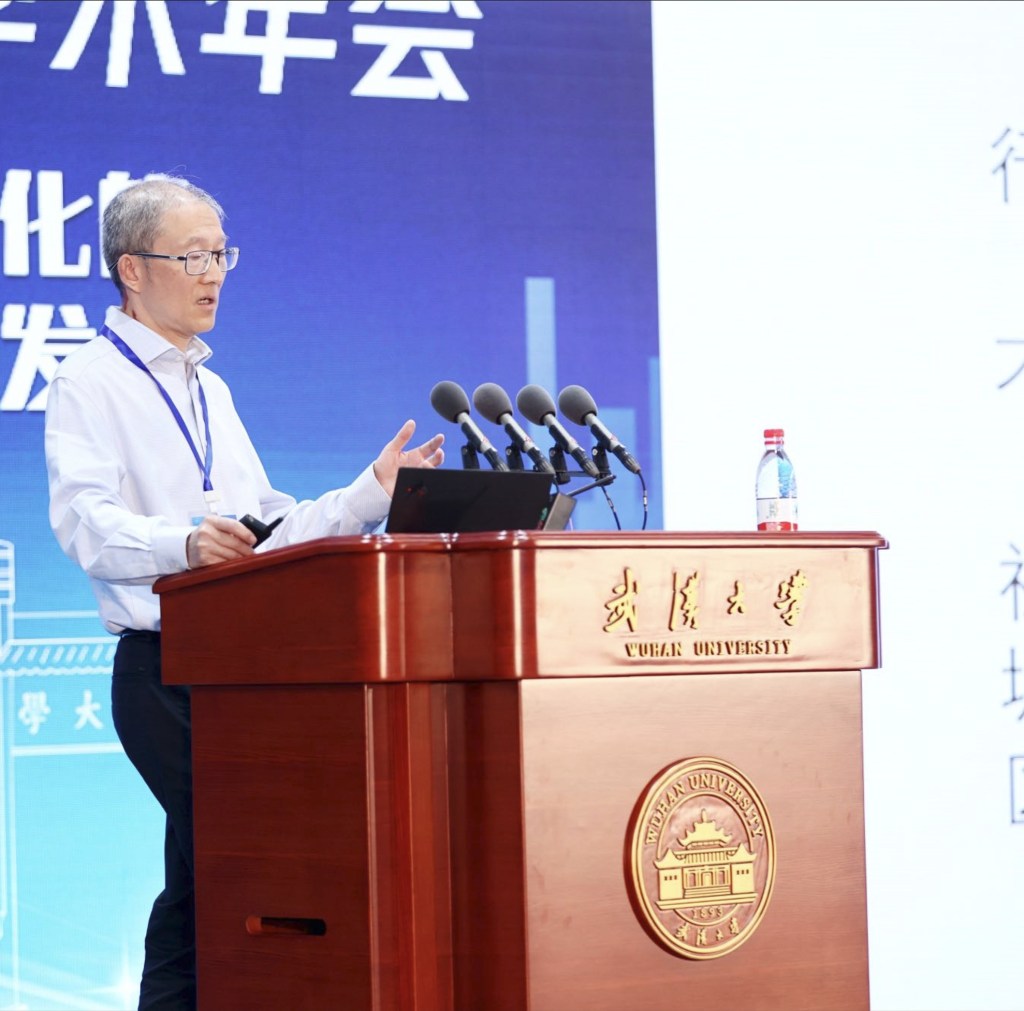
Professor Fulong Wu gave his keynote speech ‘Rethinking China’s urban governance: the role of the state in neighbourhoods, cities, and regions (重新思考中国的城市治理:国家在社区、城市和地区中的角色)’. He reviewed the changing modes of China’s urban governace at different levels from neighbourhoods, cities to regions in the past decades. He showed the particularities of the Chinese context and dialogued the situation with mainstream urban governace theories commonly used in the literature. He brought up the question of particularities versus universal theories and proposed how we could address the question by grounded theorisation. He also mentioned the new modes of governance such as micro-regeneration (weigaozao, 微改造) and proposed new prospects for China’s governace at different levels.
Professor Fangzhu Zhang shared her new article titled ‘The socio-ecological fix by multi-scalar states: The development of ‘Greenways of Paradise’ in Chengdu’. Using the perspective of the socio-ecological fix, this research demonstrates that multi-scalar states strive to upgrade environmental quality. It reveals complex motivations to incorporate ecological changes into entrepreneurial urban governance instead of encroaching greenspace for economic growth. The state-centred analysis reveals that such an environmental strategy, the making of Chinese green urbanism, is promoted like a political mission, despite its operation by the development corporation. This research argues that, while the socio-ecological fix facilitates capital accumulation, its deployment must be understood through state politics and actors.
The special session consisted of 12 presentations by junior and senior researchers from mainland China, Hong Kong, Macau, and the UK. The topics included the governance of education, urban (re)development, environment, spatial planning, policy making, and others, most of which use or refer to the perspective of state entrepreneurialism. Professor Wu and Professor Zhang gave comments after each presentation, leading a heated knowledge exchange.
 ChinaUrban