
Events
We are organising a series of events including workshops, seminars and conferences to gather thoughts, inspire research and disseminate outputs.
“Rethinking China’s Urban Governance”, Zhejiang University, 15/05/2026.
Professor Fulong Wu was invited to deliver a lecture titled “Rethinking China’s Urban Governance” at the School of Earth Sciences, Zhejiang University.
This lecture was jointly hosted by the School of Earth Sciences, Zhejiang University; the Human Geography Committee of the Zhejiang Geographical Society; the Department of Urban Development and Management, School of Public Affairs, Zhejiang University; the Institute of Urban Governance, Zhejiang University; and the Center for Urban Development and Low Carbon Strategy Research, Zhejiang University. The lecture was hosted by Professor Chen Wang, Professor at the School of Earth Sciences and Deputy Director of the Center for Urban Development and Low Carbon Strategy Research at Zhejiang University.
Drawing on the findings of the ERC Advanced Grant project, “ChinaUrban: Rethinking China’s urban governance,” Professor Wu introduced the theoretical framework, core themes, and multi-scalar analytical framework of research on China’s urban governance models.
Professor Wu pointed out that China’s rapid urbanization carries significant theoretical and practical implications. It not only challenges existing understandings of contemporary urbanization, urban transition, and urban governance models, but also offers vital insights for post-pandemic urban development practices. In this context, rethinking China’s urban governance—especially the evolving relationship between the state, market, and society—holds profound theoretical and empirical significance.
He emphasized that understanding Chinese urban governance cannot rely on simply applying Western explanatory frameworks of marketization and political transition. Instead, it must be analyzed within China’s own historical processes, institutional context, and policy environments. The ChinaUrban project centers on the role of the state, conceptualizing governance changes as specific institutional and policy responses formulated in the face of real-world crises and development challenges.
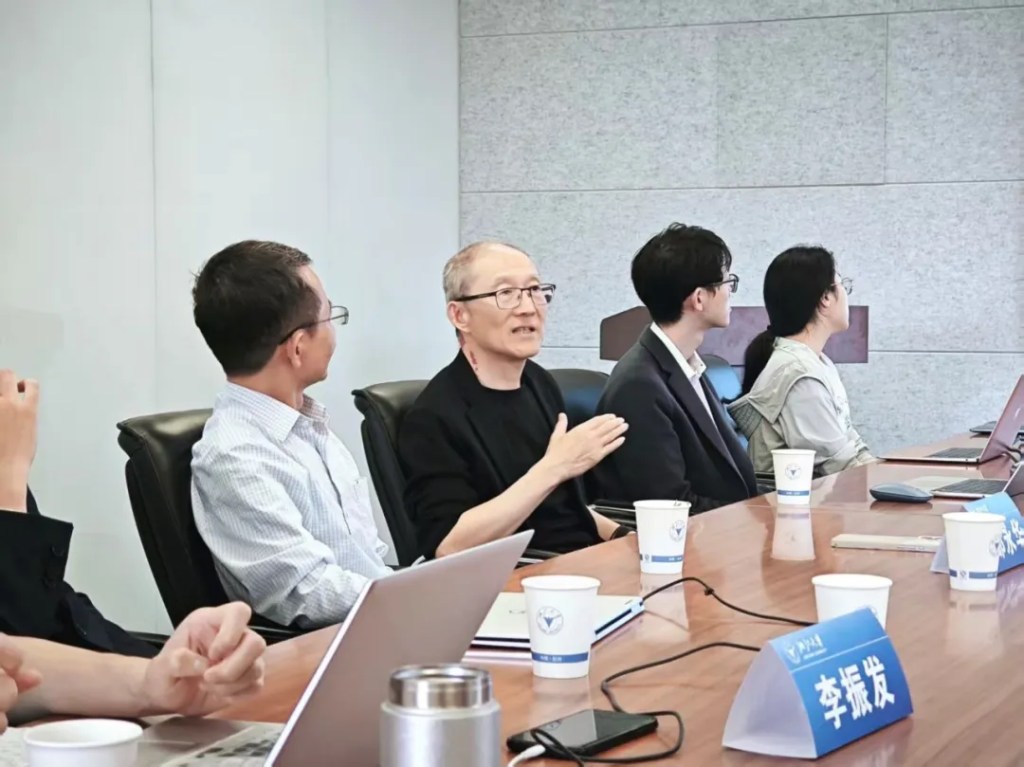
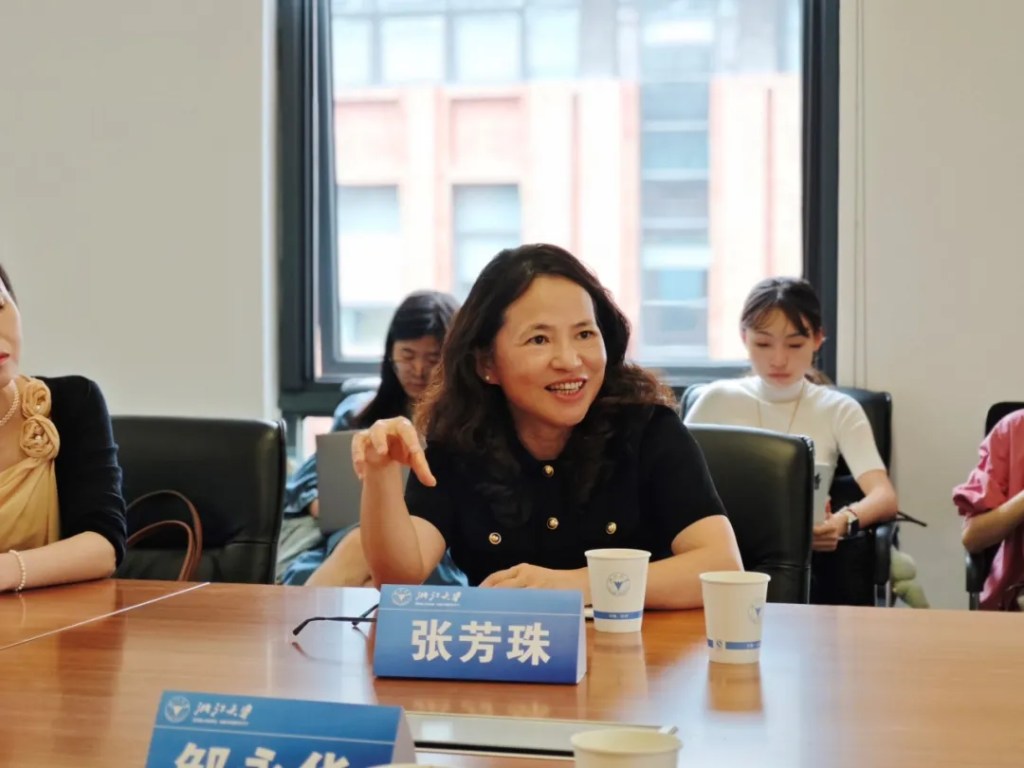
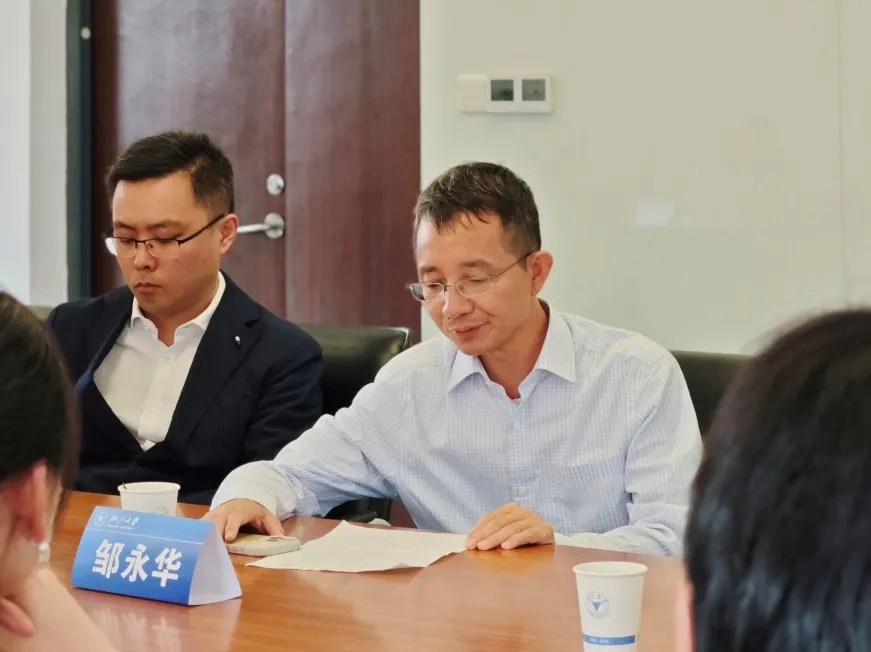
Following the presentation, four experts provided in-depth commentary on the lecture’s themes:
Professor Fangzhu Zhang pointed out that urban governance theories require constant adjustment and updating amid changing times and practical transitions. The roles of the state and the market are not fixed but exhibit distinct characteristics across different historical stages and specific contexts.
Professor Bindong Sun (Qiushi Distinguished Professor at the School of Public Affairs, Zhejiang University), drawing on his own research into new towns, noted that in certain urban development practices, the roles of the state and government do not always function exactly as expected. They sometimes yield to market mechanisms, leading to scenarios where policy goals cannot be fully realized.
Professor Yonghua Zou (School of Public Affairs, Zhejiang University) provided a theoretical response to concepts such as “state entrepreneurialism,” affirming their heuristic value in explaining China’s urban governance and development practices.
Dr Zhenfa Li (Hundred Talents Program Researcher at the School of Earth Sciences and former postdoctoral researcher of the project) further proposed that when theorizing urban governance, researchers should consider integrating the future developmental expectations of different actors into the analytical framework to better understand the driving mechanisms behind governance actions.
In response to the questions and suggestions, Professor Fulong Wu provided thoughtful feedback. He fully acknowledged the importance of the discussions surrounding the complexity of state-market relations, theoretical adaptability, and future expectations. He emphasized that research on China’s urban governance should not stop at merely summarizing existing experiences; it must theoretically respond to the new issues generated by Chinese practices. The relationship between the state, the market, and society is not a single linear transition. Rather, it is constantly restructuring across different scales, topics, and stages of development. It is precisely within this dynamic change that China’s urban governance model provides vital theoretical resources for understanding contemporary urbanization and global urban studies.
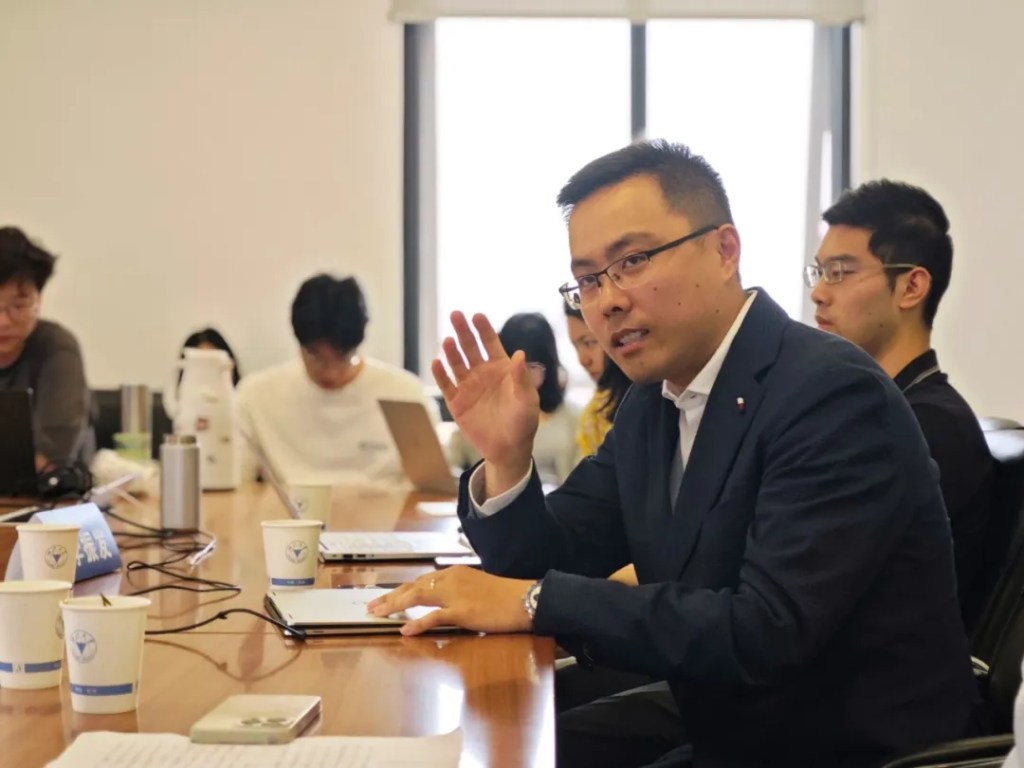
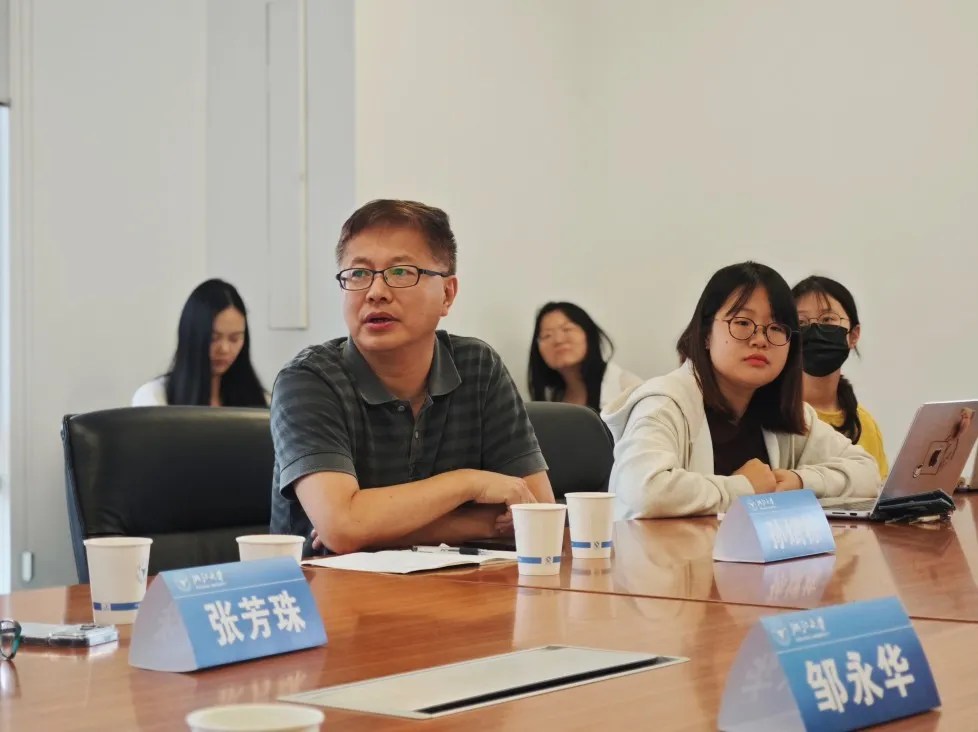
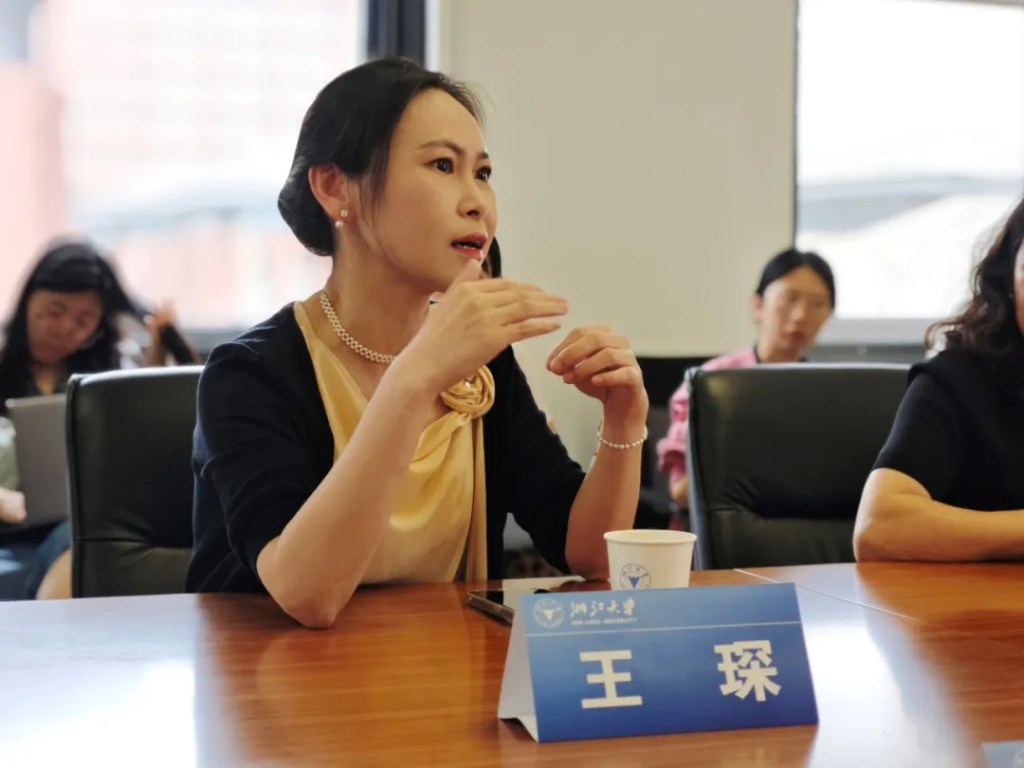
Photos by the Center for Urban Development and Low Carbon Strategy Research, Zhejiang University.
 ChinaUrban