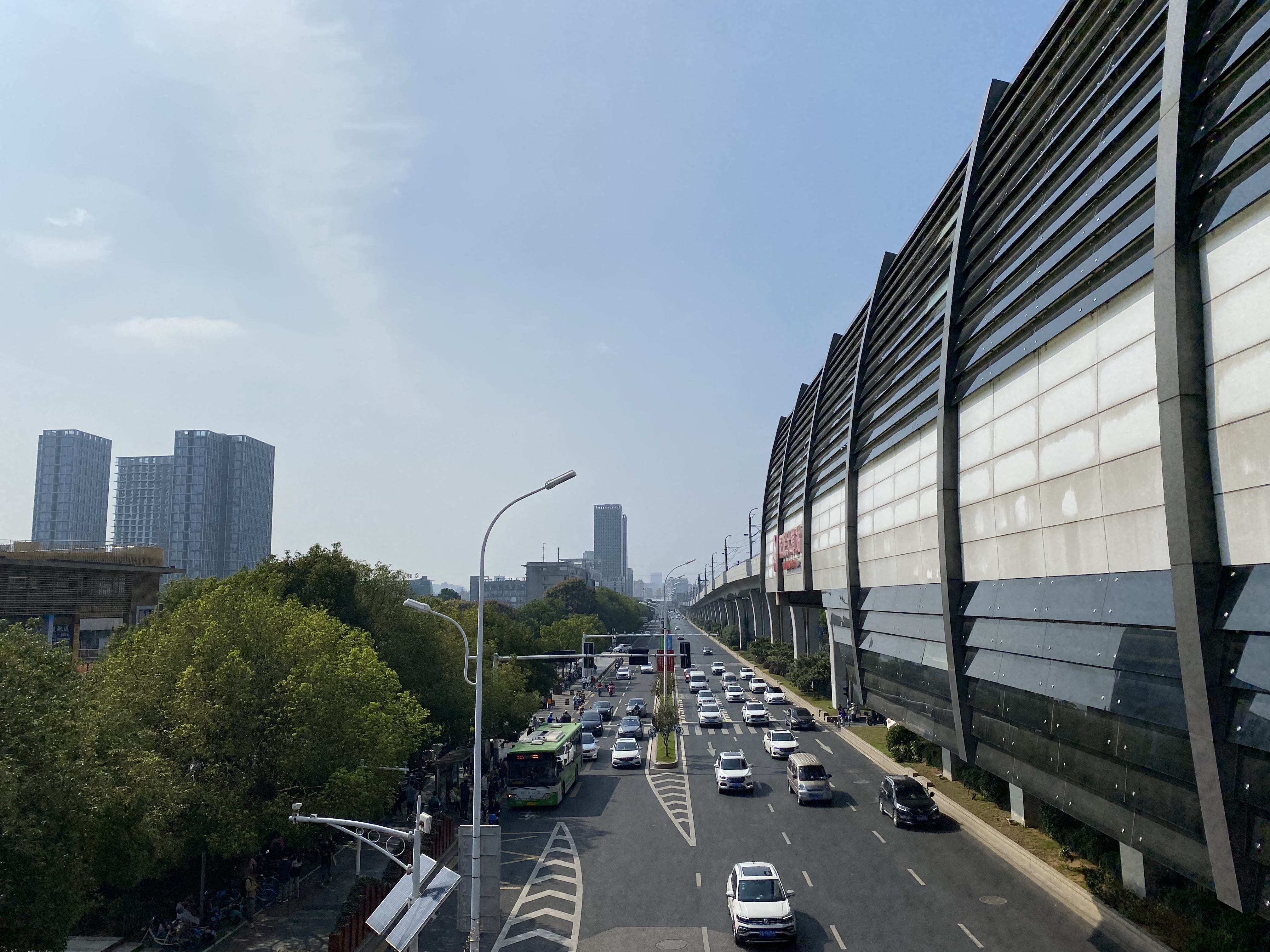
Cases
The project is conducting research on three scales, including regional scale, urban scale and neighbourhood scale.
The research will be conducted through seven cases: Shanghai, Beijing, Wuhan, Dali, Xiongan, Jing-Jin-Ji (Beijing-Tianjin-Hebei), and the Guangdong–Hong Kong–Macau Greater Bay Area, based upon grounded ethnographic observations, in-depth interviews and close engagement with Chinese researchers and policy makers across different types of neighbourhoods and cities of varying sizes in coastal, central and western regions, and recent national strategic projects.
Shanghai
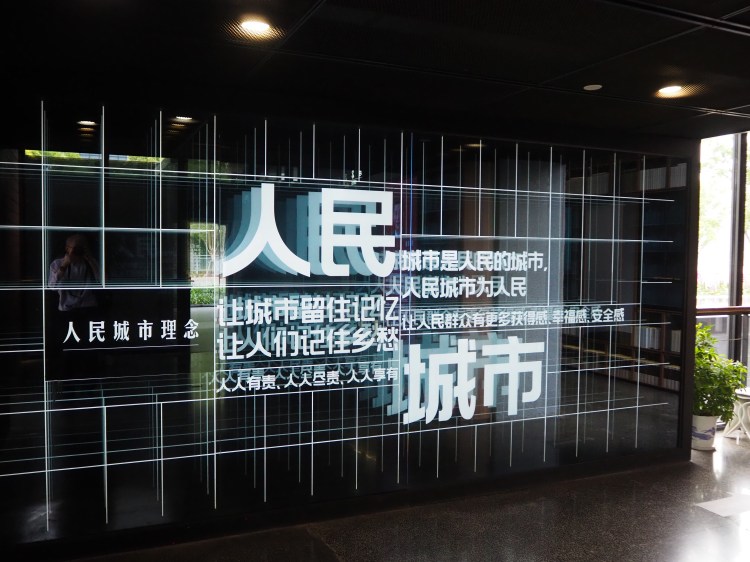
Shanghai, located in the coastal area, is one of the most developed cities in China. It has been famous for the mix of historical culture and modern life and the fusion of East and West. It is an economic, financial, innovation, and cultural centre in China.
Echoing President Xi Jinping’s vow for ‘building a people’s city’, Shanghai is making efforts to restructure its governance models and promote people-oriented development. Using Shanghai as a case, we explore how the national mandate of ‘people-oriented development’ is crystallised through urban development and neighbourhood governance.
Beijing
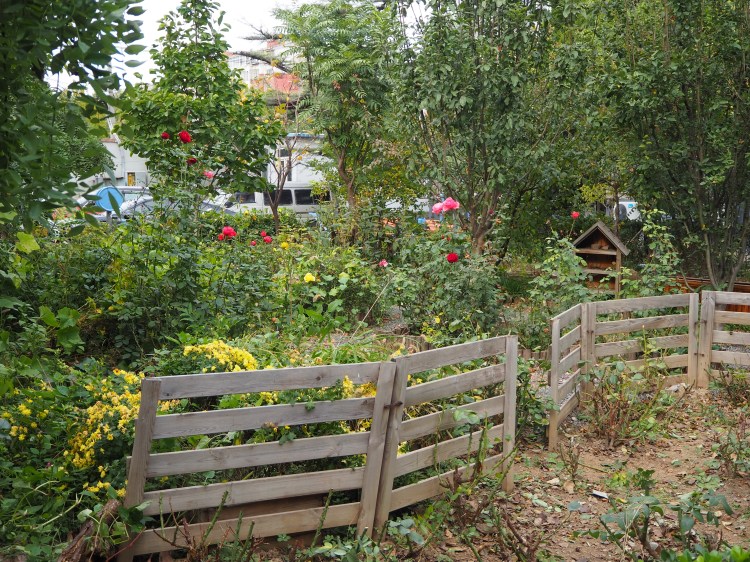
Beijing is the capital city of China and under direct political influence from the state. Therefore, Beijing is in most cases the pioneer that implements policies promoted by the central government.
Focusing on a neighbourhood named Qinghe in northwest Beijing, which has experienced significantly socio-economic transformation in the past three decades and is one of China’s most famous social governance experiments, we investigate how the governance experiment plays out on the ground and how that reflects China’s changing mode of governance, particularly on the neighbourhood scale.
Wuhan
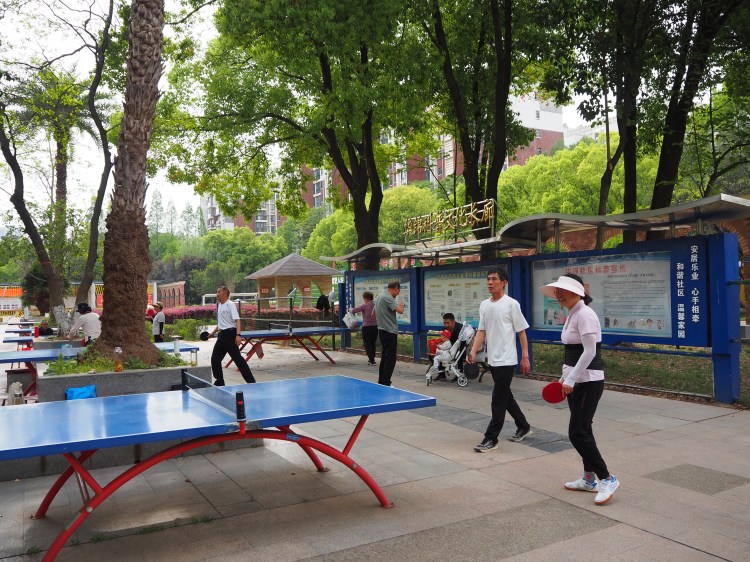
Wuhan is the capital city of Hubei Province in the central area of China. Wuhan has been famous for its economy based on state-owned enterprises, such as Wuhan Iron and Steel Company. In recent years, it has significantly developed the high-tech industry. Wuhan is also meaningful to observe city recovery from Covid.
Dali
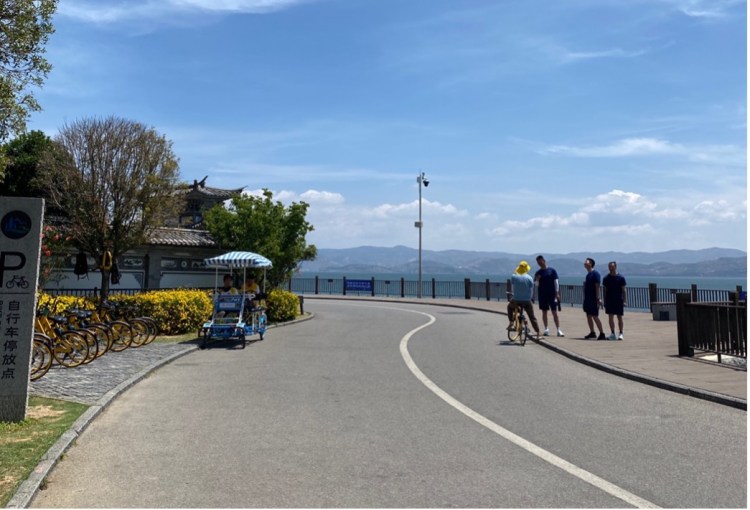
Dali, located in the western area of China, is a symbolic city of tourism and the new trend of development. It has been famous because of its pleasant climate and extraordinary scenery. Dali has attracted more than 50 million visits each year. More than a short stay, many visitors from the first-tier cities have moved to Dali and started their new lives here.
Xiong’ An
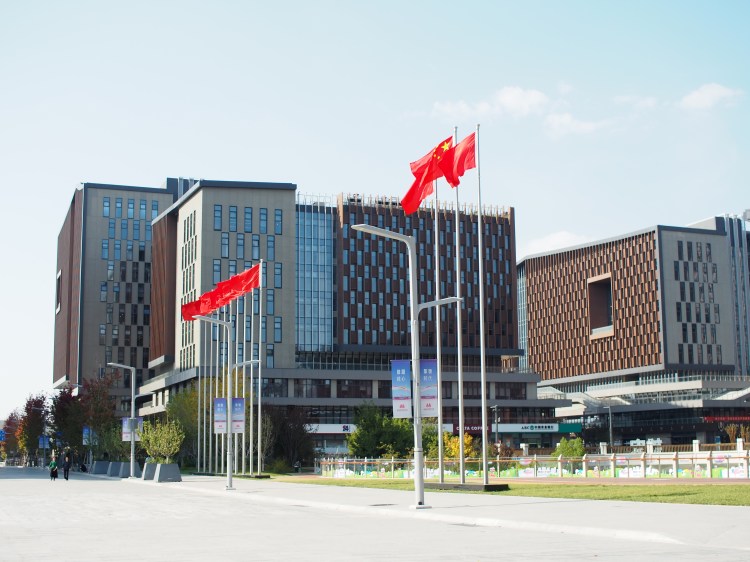
Xiongan New Area is located in Baoding, Hebei province, which is about 100 kilometres away from Beijing. Xiongan was initially established to shoulder the non-capital functions of Beijing, whereby the urban diseases of Beijing caused by agglomeration could be relieved. Moreover, the central government has proposed a new plan for Xiongan, which aims to build Xiongan as a sample of high-quality development rather than a normal new town. One of its developing principles is to represent ecological civilisation based on the reservation of water networks.
Jing-Jin-Ji (Beijing-Tianjin-Hebei)
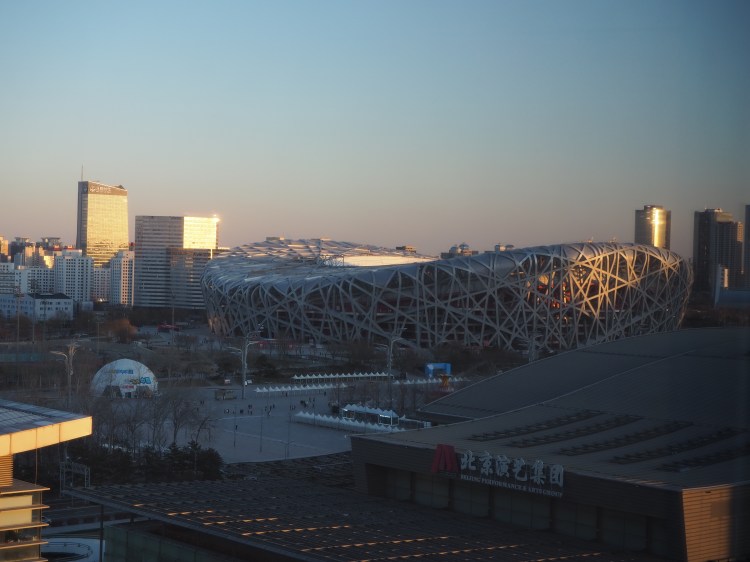
Jing-Jin-Ji includes Beijing, Tianjin and 11 municipalities in Hebei Province, which is centred on the capital Beijing and incorporates its surrounding economic regions. Beijing and Tianjin are among the most developed areas in China; However, Hubei province, as their neighbour, has suffered from poverty. The integration initiative was to help Hubei province with the spill-over effects of Beijing and Tianjin. It has developed to incorporate cooperation from various aspects. Since 2014, the integration of the Jing-jin-Ji region has been upgraded to a National strategy.
The Guangdong–Hong Kong–Macau Greater Bay Area (GBA)
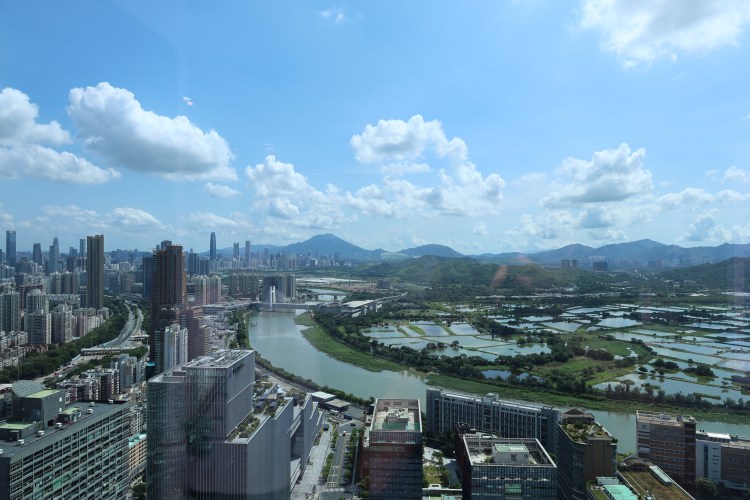
The central government proposed the development plan for Guangdong-Hong Kong-Macao Greater Bay Area (the Greater Bay Area, GBA) in 2019. According to the national plan, the GBA will become a word-class urban cluster, an international technology and innovation centre, a supporting point of the “One Belt One Road” initiative, a demonstration zone for in-depth cooperation between the Mainland and Hong Kong and Macao, a qualified living zone for living, working and travelling and a model of high-quality development.
 ChinaUrban