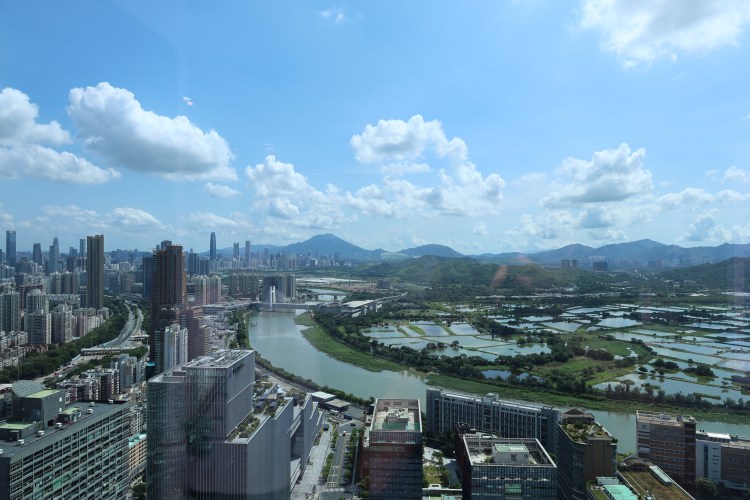
The Guangdong-Hong Kong-Macao Greater Bay Area (GBA) is an extension of former Pearl Delta Region which has been the growth engine of China since the reform and opening-up policy in the 1978. The GBA refers to the mega-city region including nine cities from Guangdong Province and two special administrative regions (SARs) of Hong Kong and Macao.
Purpose and motivation
Due to the ‘one country, two systems’ institutional framework and local governments’ autonomy authorised by central state for policy experimentation, the GBA has become the most diverse and fragmented region in China. To further sustain the economic growth and cope with the increasingly social and political tensions in this region, the central state promoted the integration of the Greater Bay Area as a new national development strategy.
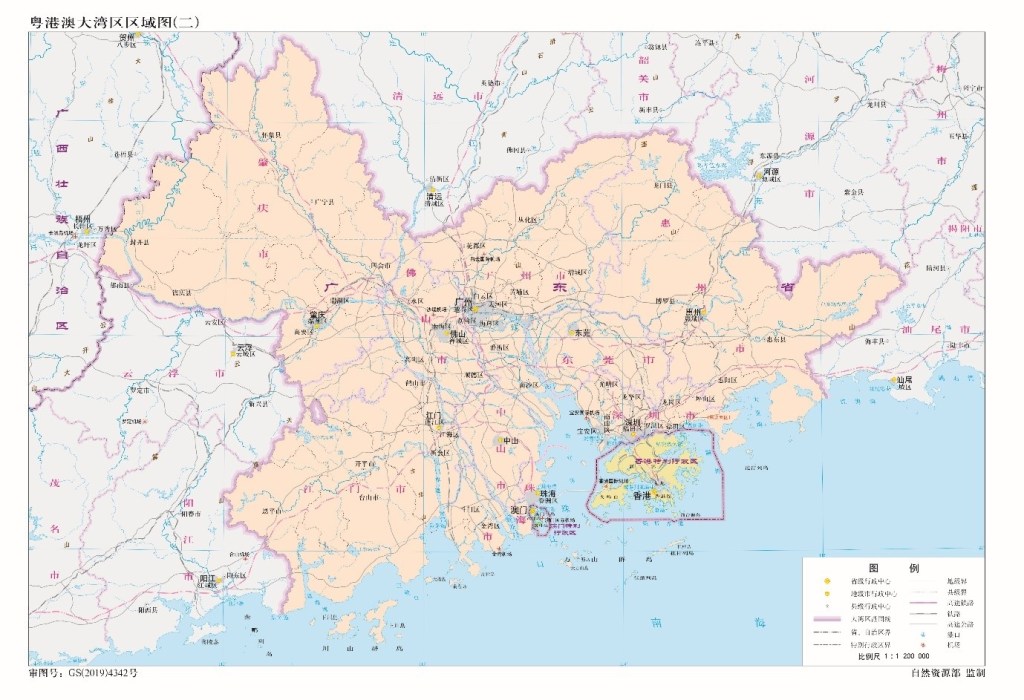
The Outline Development Plan for Greater Bay Area was led by the National Reform and Development Commission with participations of Hong Kong SAR, Macao SAR and Guangdong Provincial Government and issued by the Central Committee and State Council in 2019. The GBA plan is not merely used as an instrument for economic integration, but it has become entangled with central state’s multiple logics beyond economic development. It aims to transform the Pearl River Delta Region into a global bay-area through industrial upgrading, indigenous innovation capacity building and free human and capital mobility. The Bay Area is also linked with China’s international economic statecraft under Belt and Road Initiative for international competitiveness. However, one of the top priorities is to integrate Hong Kong and Macao into the Mainland China for national security interest and state territorial integrity in the context of state power recentralisation.
The GBA is different from Yangtze River Delta and Jing-Jin-Ji Region due to its development pathways, economic geography, and politics of spatial development. Thanks to geographical proximity and cultural affinity, the initial regional integration was driven by market reform and characterised by the ‘front shop and back factory’ model. The first formal process of regional integration was implemented under the Closer Economic Partnership Agreement (CEPA) in 2003 for cross-border trade. The physical connectivity within GBA has also been significantly improved, especially after the construction of key cross-regional infrastructure projects such as Guangzhou-Shenzhen-Hong Kong High-speed railway and Hong Kong-Macao-Zhuhai Bridge. These efforts provide a foundation and lead to the new GBA initiatives. The new GBA plan reflects the salient role of the central state in planning formulation, which is driven by both internal and external forces. Accordingly, the challenges for planning implementation come from multiple sources such as social instability, intergovernmental competition, and international pressures.
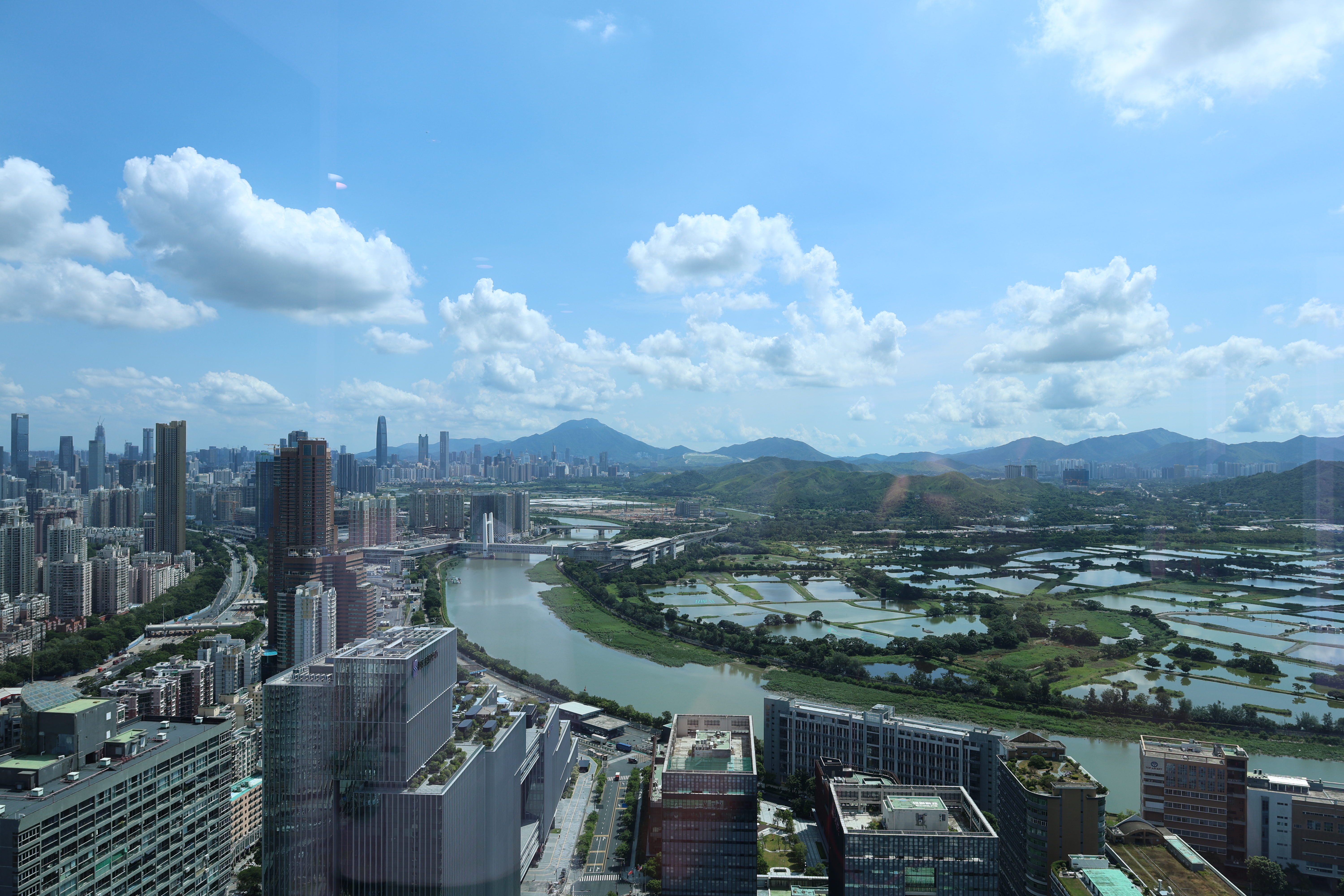
The central state’s mandates on GBA integration have reshaped the relationship between central and local governments and between SAR and mainland China. The plan implementation not simply relies on the central state in a top-down fashion but depends on interplays of various level of governments and the effectiveness of policy instruments they deployed. To achieve its geoeconomic and geopolitical missions, important cooperative platforms and new generation of zones have been established as the major components of GBA initiative, including Qianhai in Shenzhen, Nansha in Guangzhou, Hengqin in Zhuhai, and Lok Ma Chau Loop in Hong Kong. Their strategic importance to the GBA has been highlighted by multiple level governments. More in-depth regional integration not only requires vertical coordination between central and local governments but also involve horizontal cooperations between these key projects.
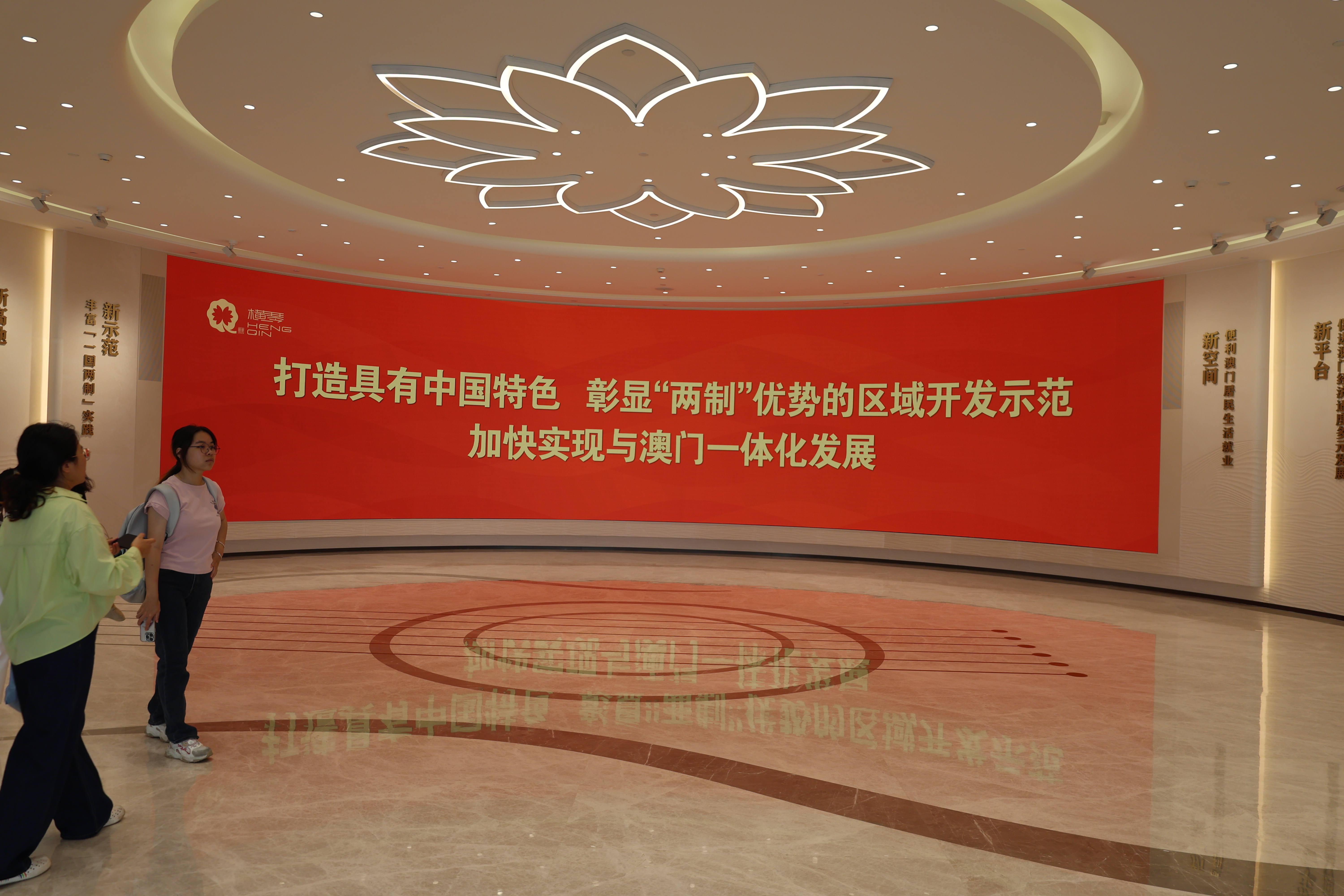
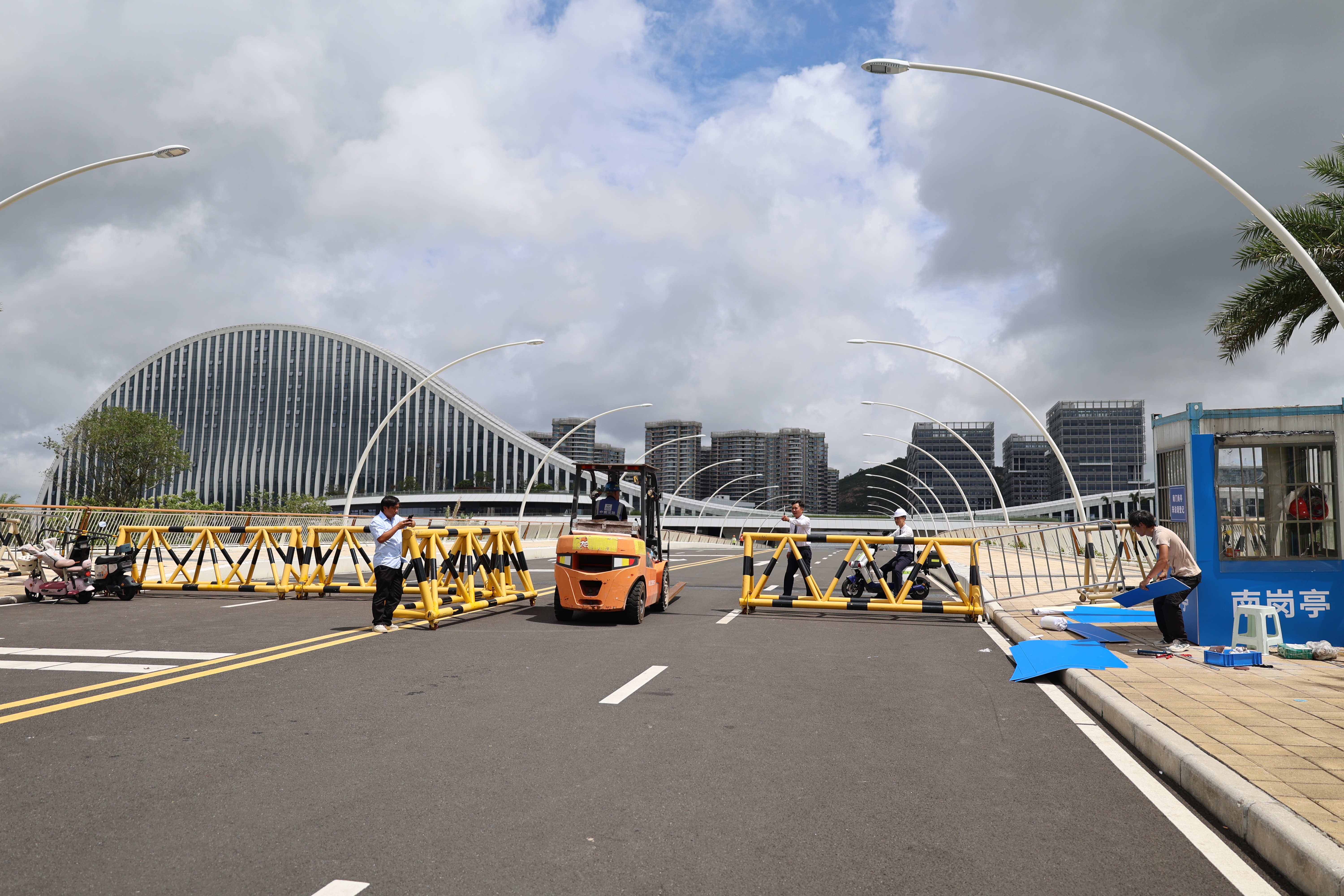
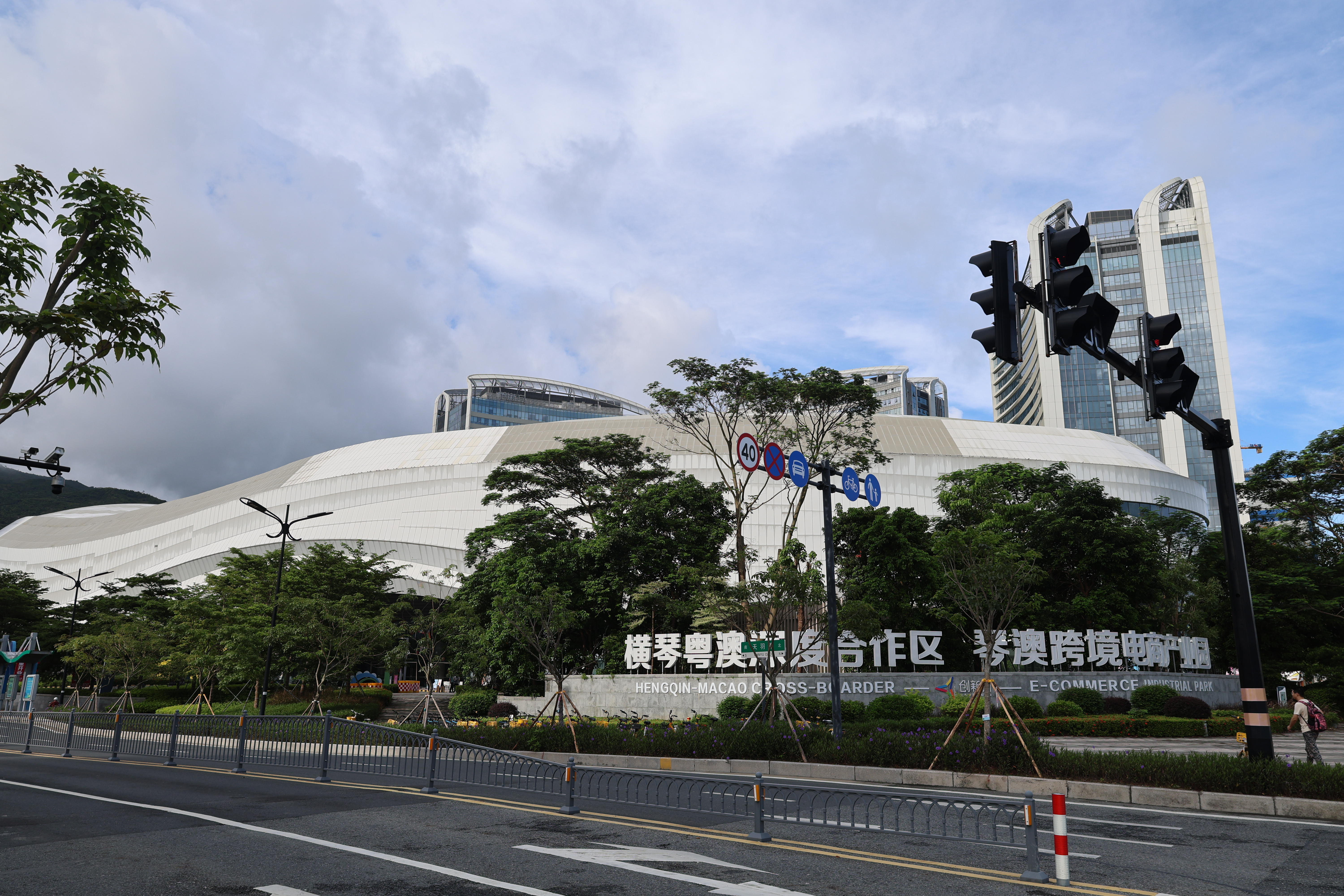
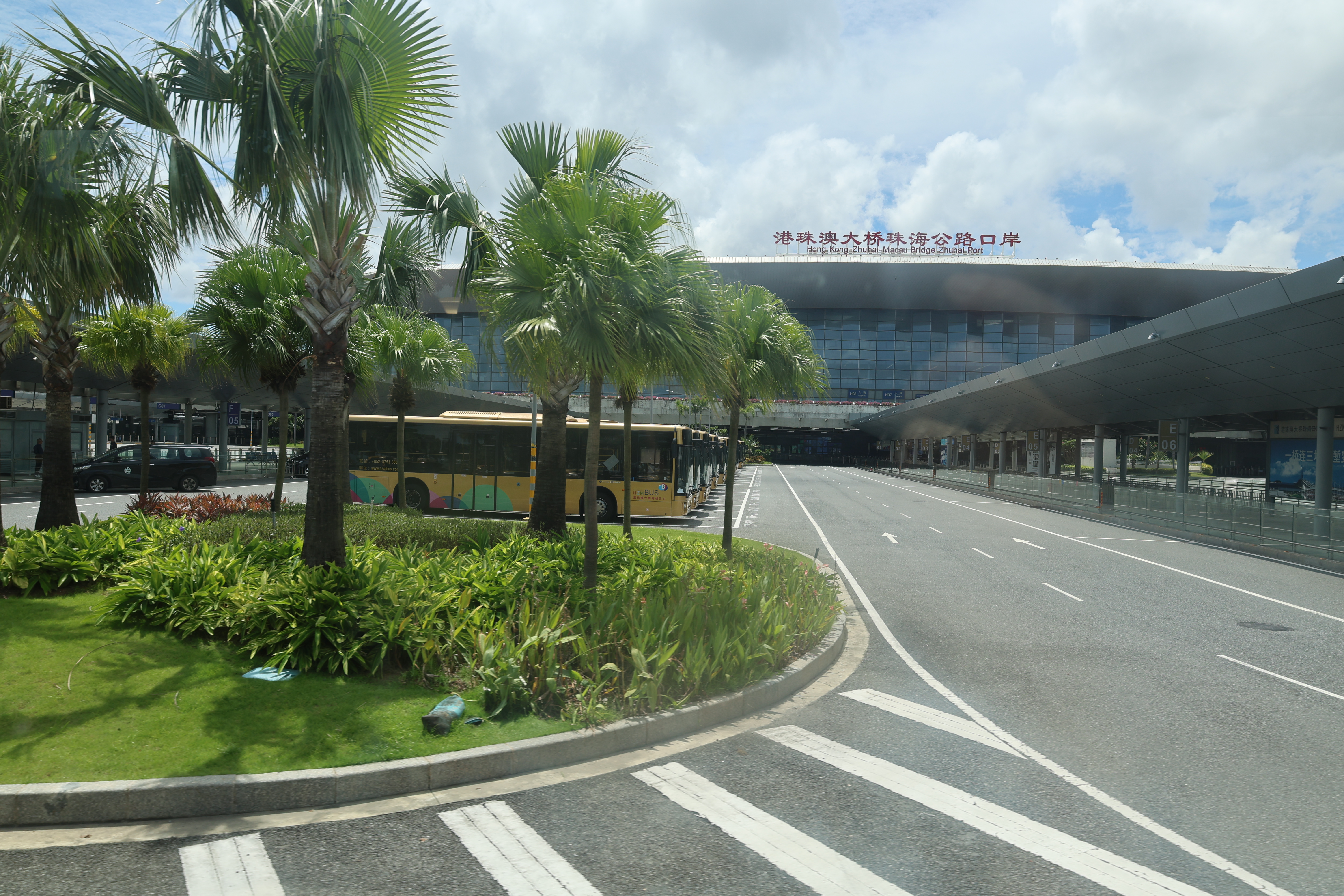
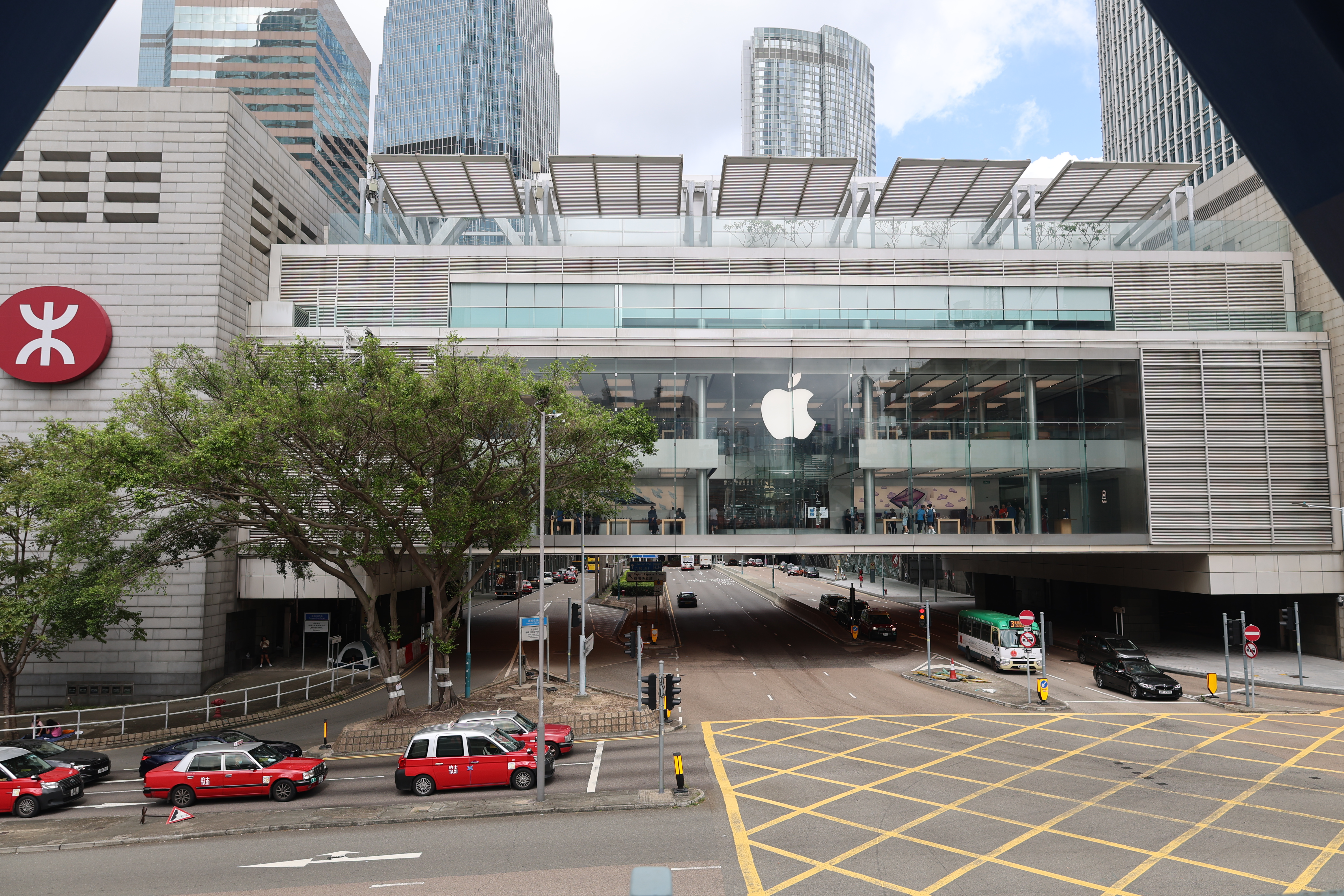
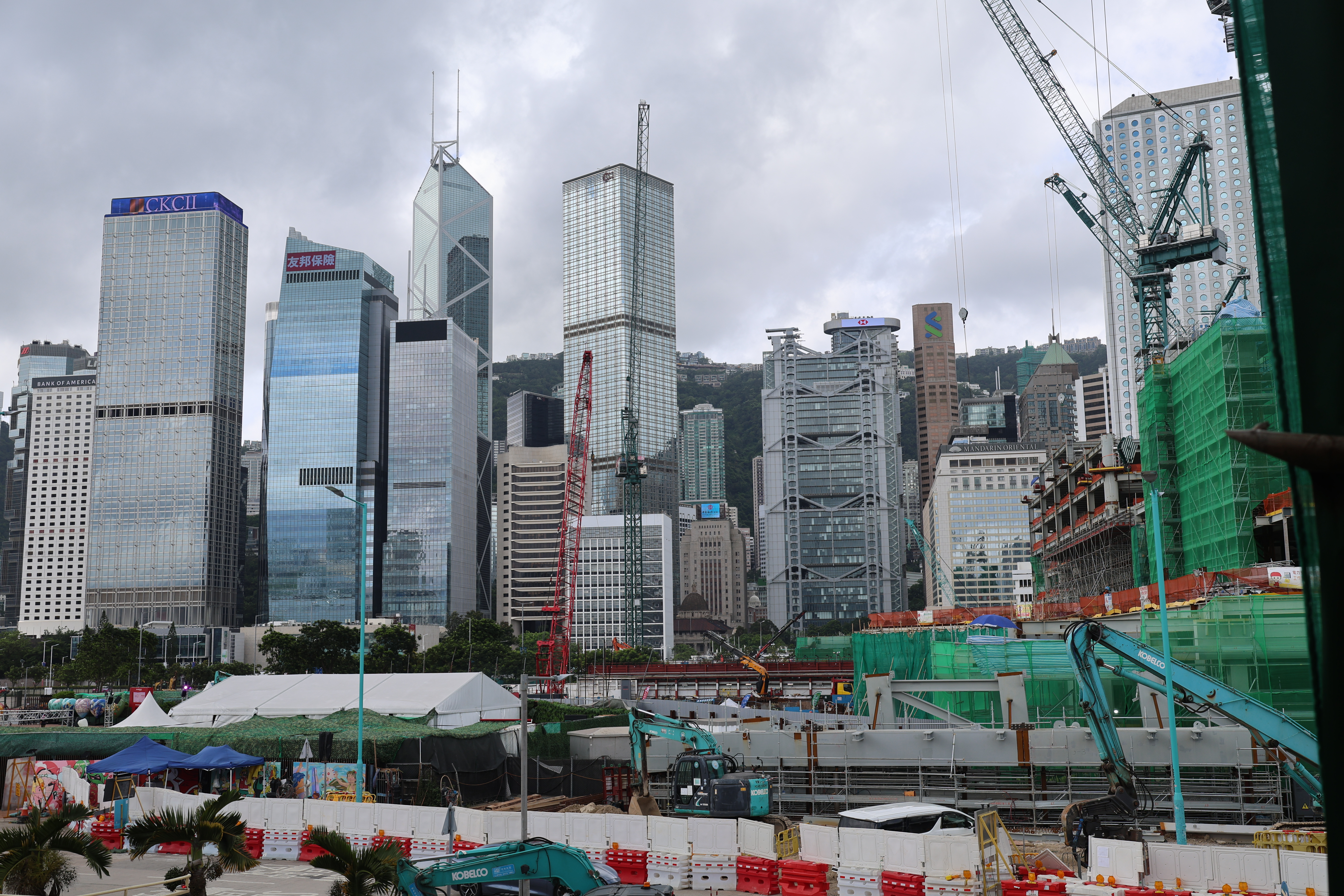
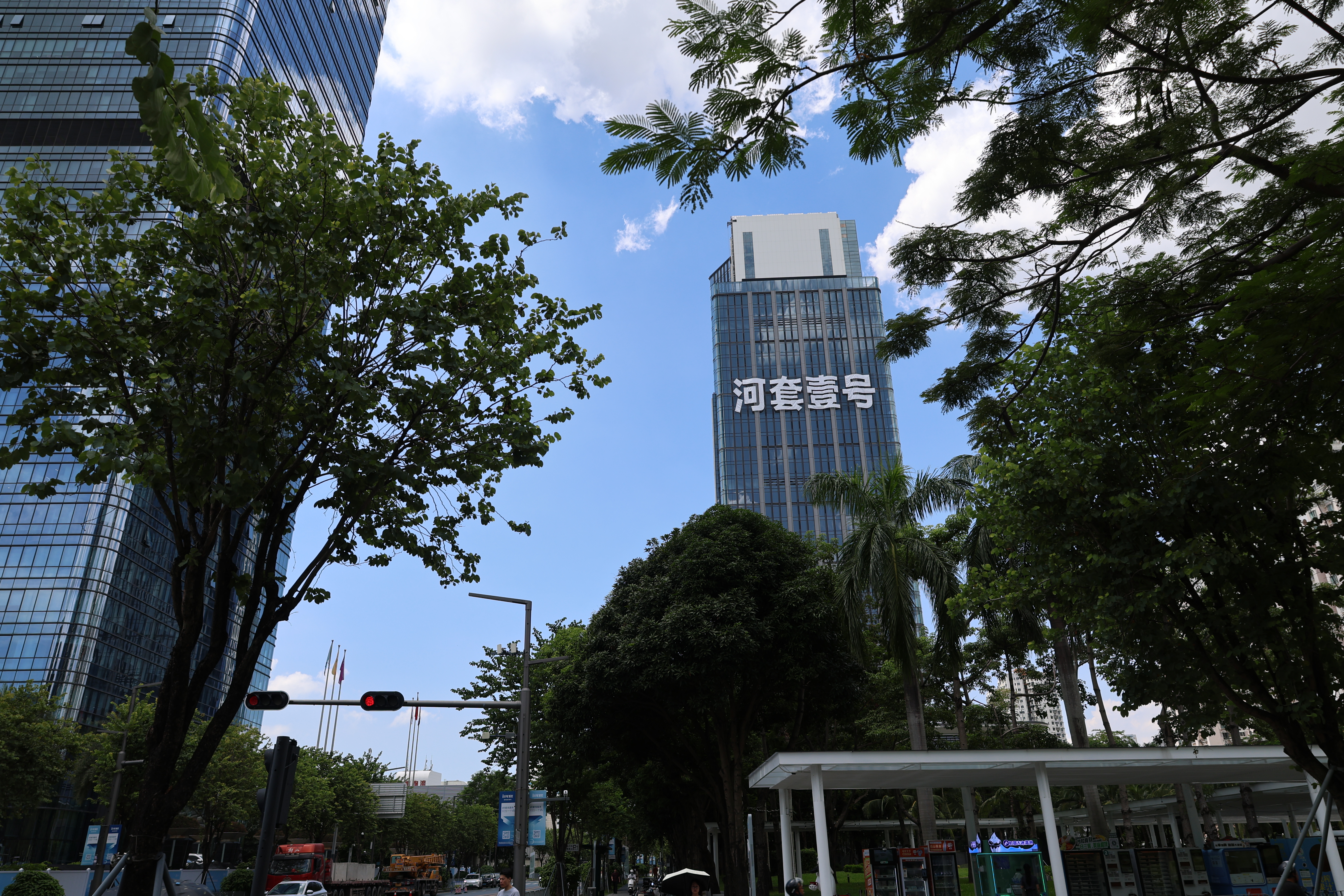
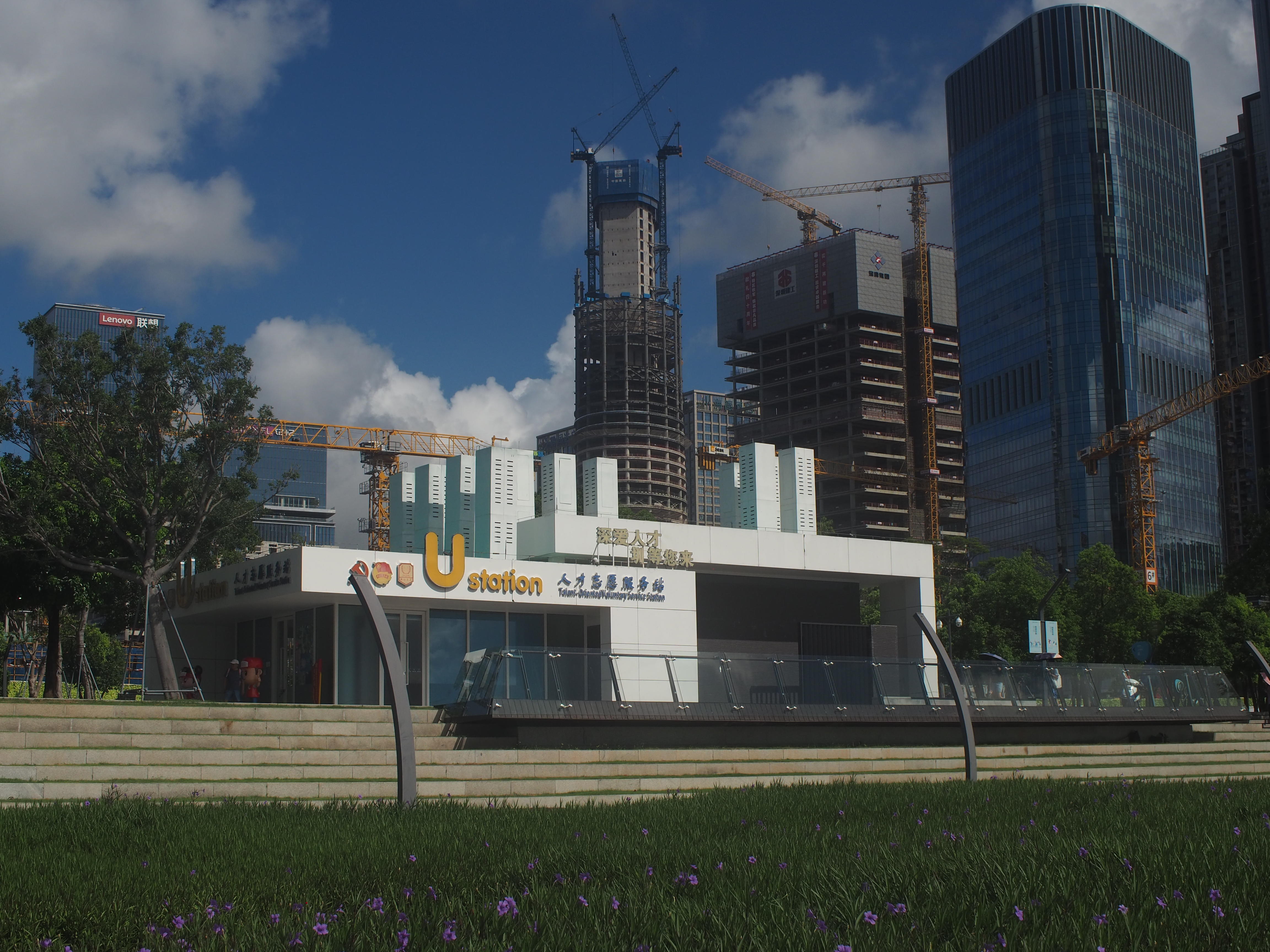

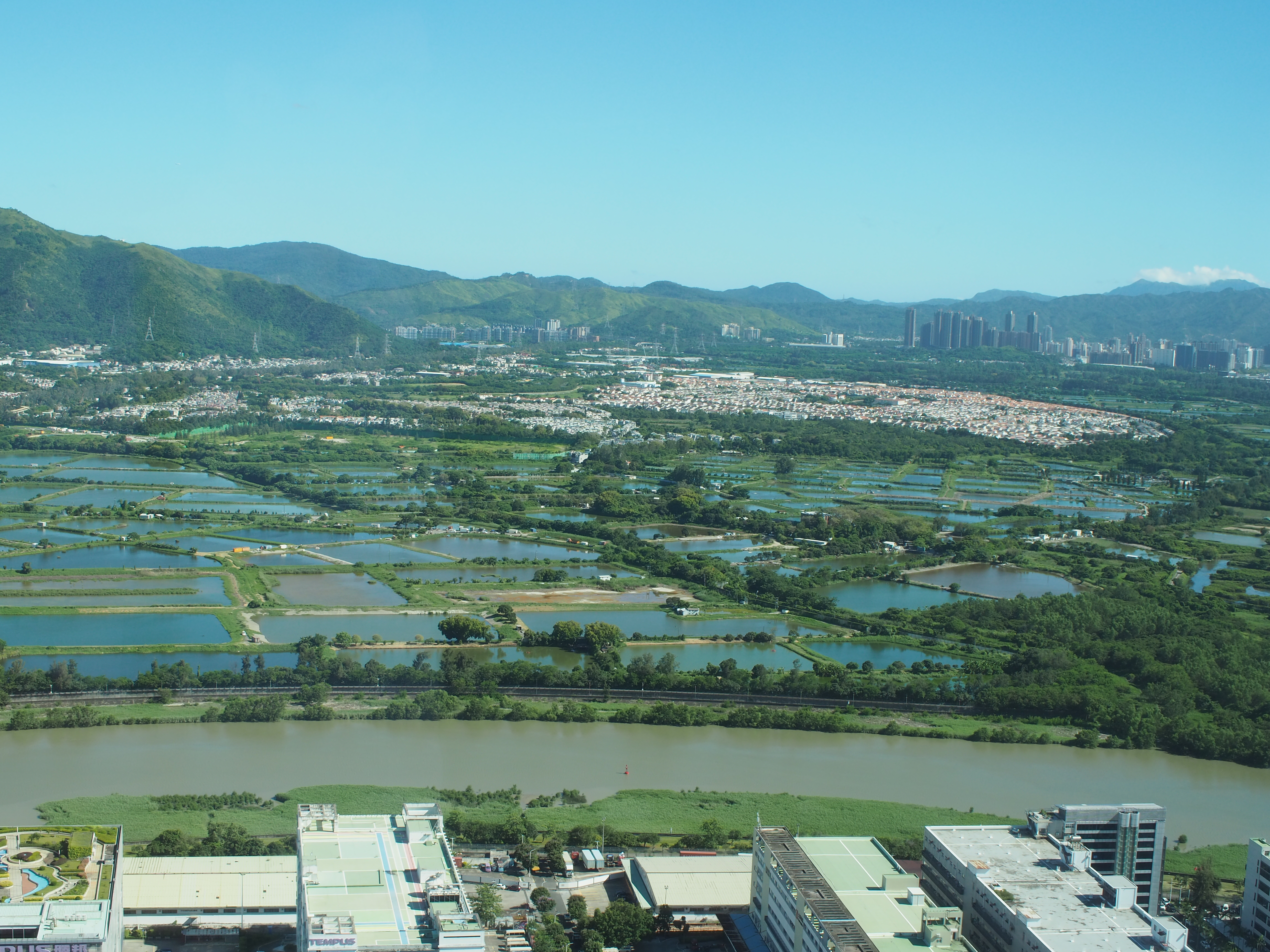
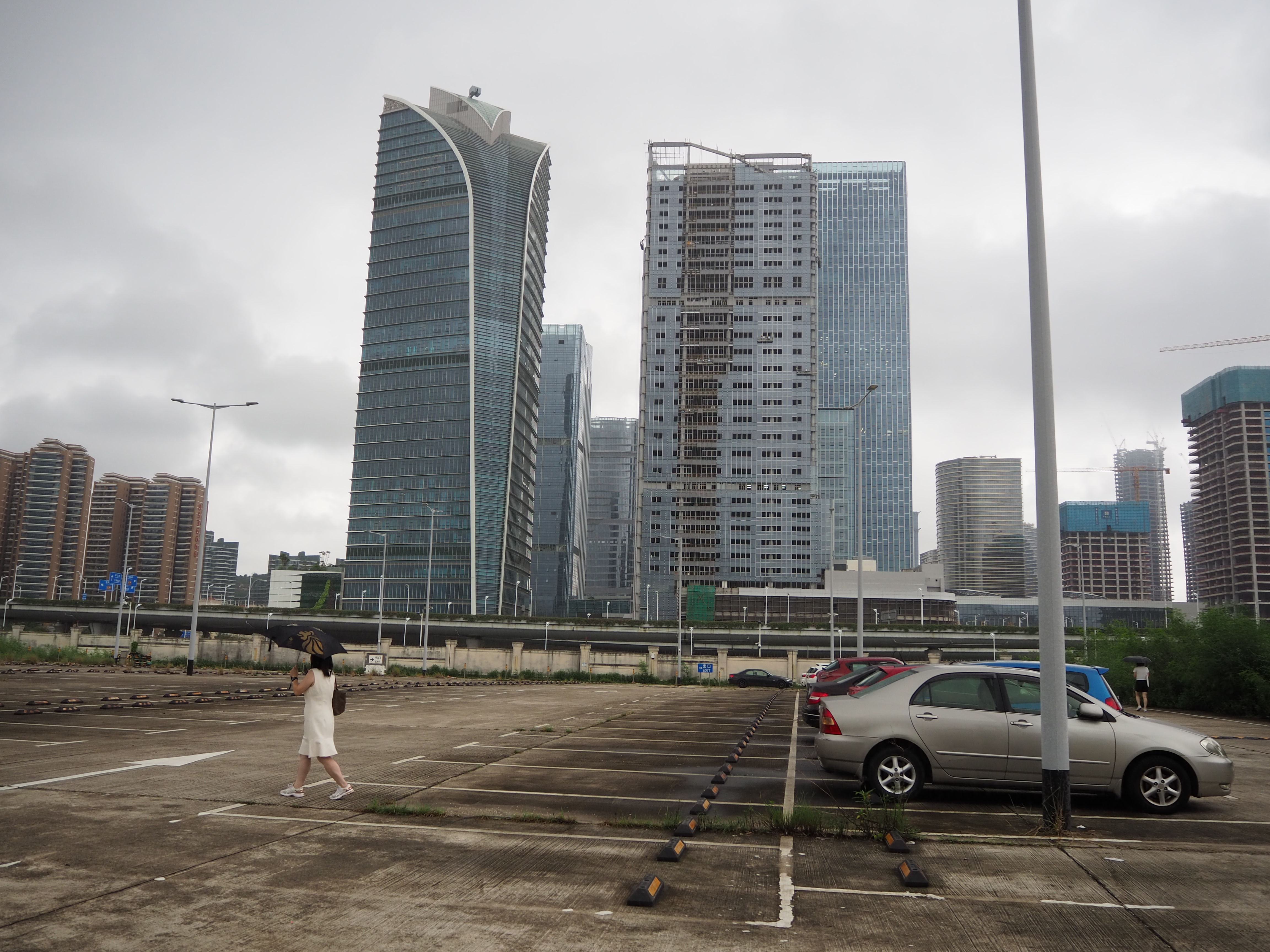
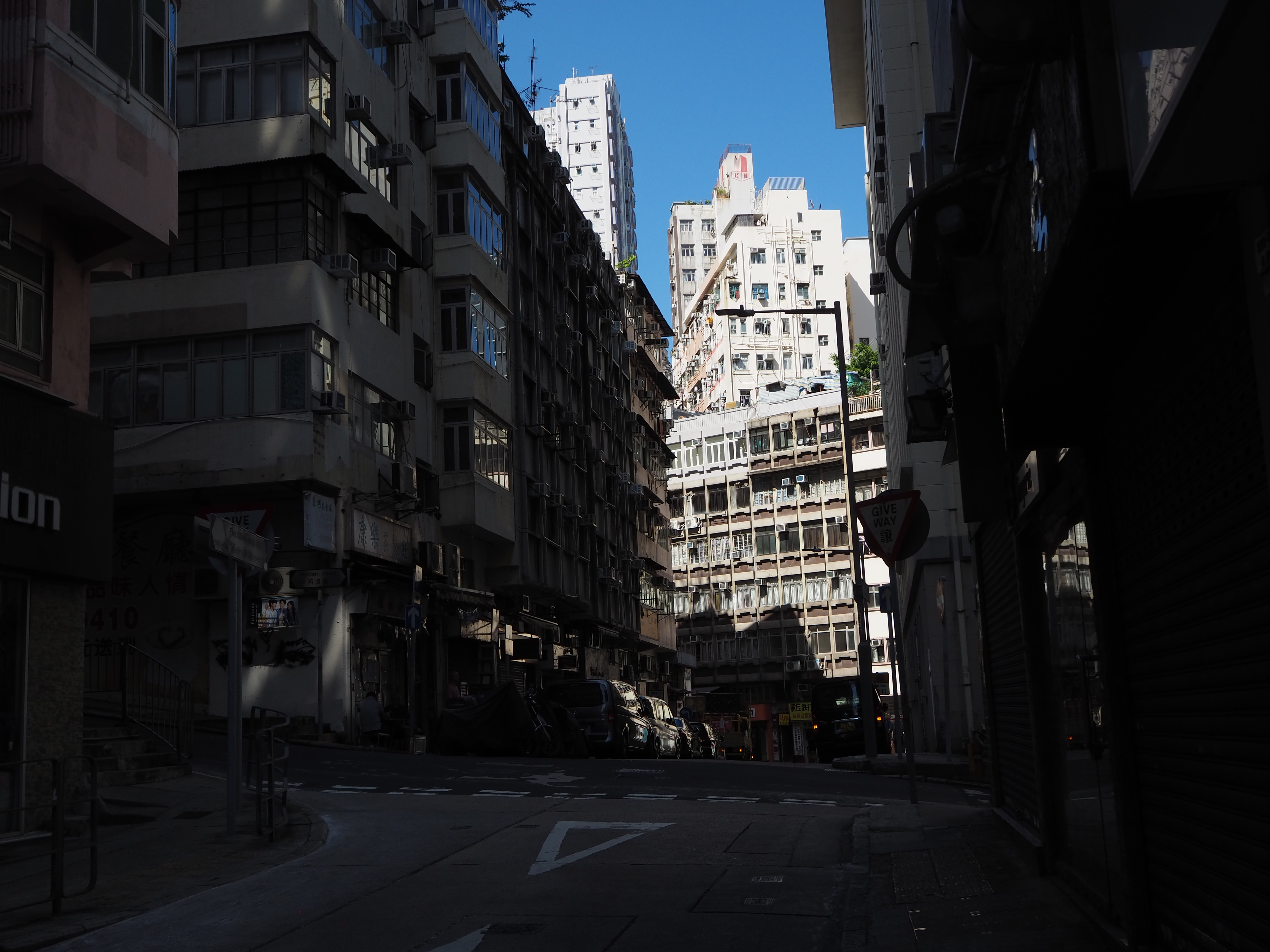
Photos by Fulong Wu. All rights reserved.
 ChinaUrban