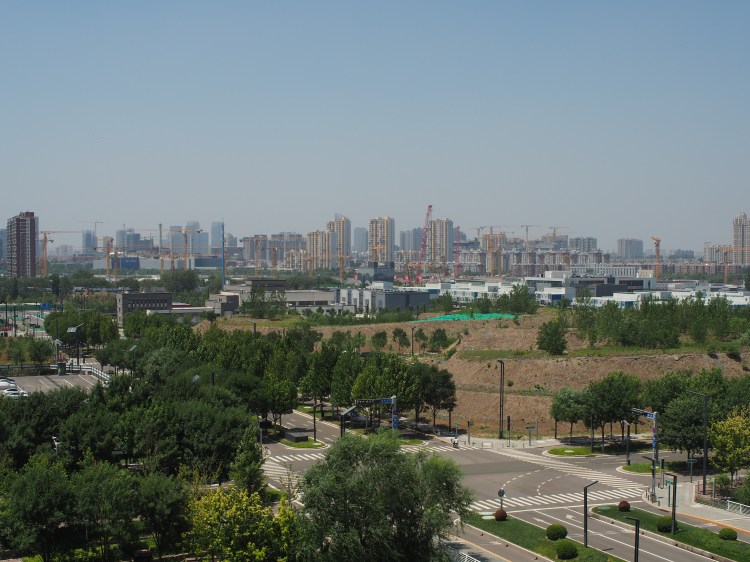
Jing-Jin-Ji Region that includes Beijing, Tianjin and Hebei Province is the third largest mega-city regions in the country and has great development potential. It is centred on the capital Beijing and has unique spatial configuration and development modality. Jing-Jin-Ji is essentially a spatial imaginary of the central state that presents the centrality of state power. This region is a result of ‘state spatial selectivity’ and direct state interventions rather than based on practical economic linkages and inter-city connectivity.
Purpose and motivation
JJJ region has experienced rapid economic growth and dramatic urbanisation over last several decades. However, this process has also resulted in various issues and challenges such as regional disparities, spatial polarisation, environmental degradation, and hukou-based social exclusion. To cope with these challenges, Present Xi Jinping proclaimed the coordinated development of the Jing-Jin-Ji region as a new national strategy in 2014. On the one hand, the coordinated development of Jing-Jin-Ji region is regarded as a regional solution to ‘urban disease’ of Beijing through dispersing non-capital functions to decease the pressures from overpopulation, congestion, and pollution. On the other hand, the promotion of integrated and balanced Jing-Jin-Ji region is an attempt to sustain economic development and strengthen the international competitiveness of capital city region.
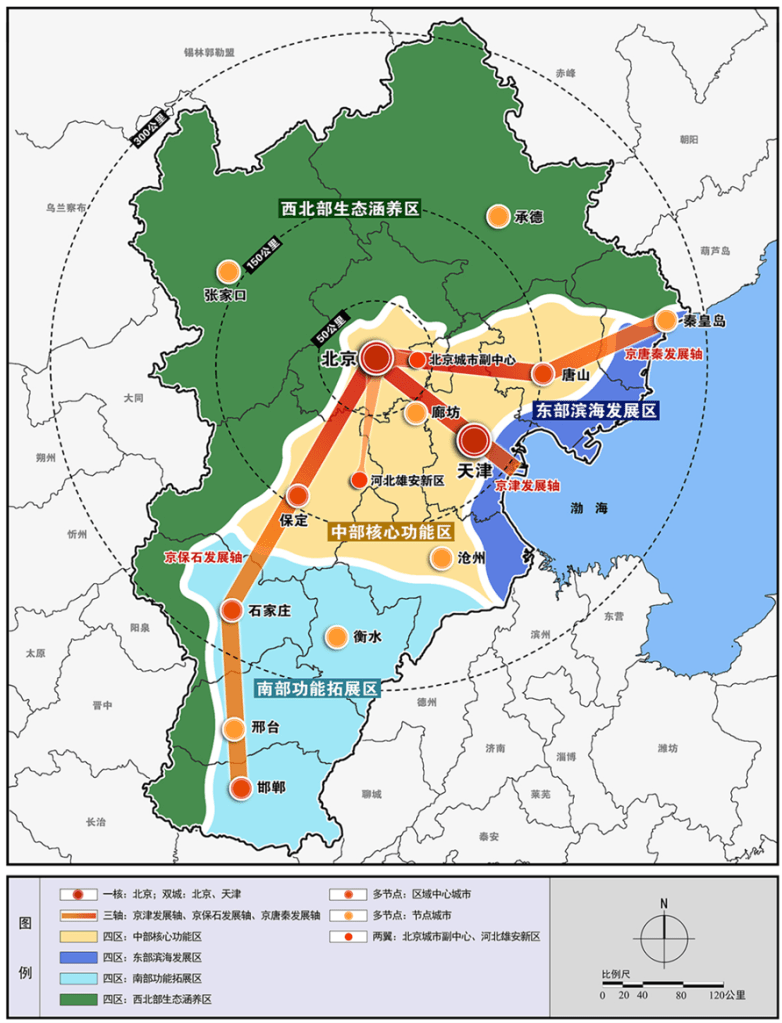
State-initiated regional plan
The concept of Jing-Jin-Ji can be dated backed to the 1980s. Various concepts such as ‘Jing-Jin-Tang’, ‘Greater Beijing’, ‘Capital Economic Zone’ have been proposed in regional policy and planning documents. As part of the power recentralisation efforts recently, the central state has re-asserted their influences and importance by formulating regional plans. In 2015, the Outline of the Beijing-Tianjin-Hebei Coordinated Development Plan has been issued but surprisingly it was not disclosed to the public.
The coordinated development plan is formulated to impose the state’s vision and goals on the capital city and its hinterland. The plan aims to create ‘a world-class city cluster centred on national capital, a leading zone for regional coordinated development, a new national growth engine driven by innovation, a demonstration zone for ecological restoration and improvement’. It identifies three key facets to achieve central state’s goals: infrastructure integration, environmental protection, and industrial upgrade and transfer. The regional plan functions as a discursive device and rescaling strategy to reinforce the strategic awareness and generate greater influences on local development approach.
Spatial restructuring
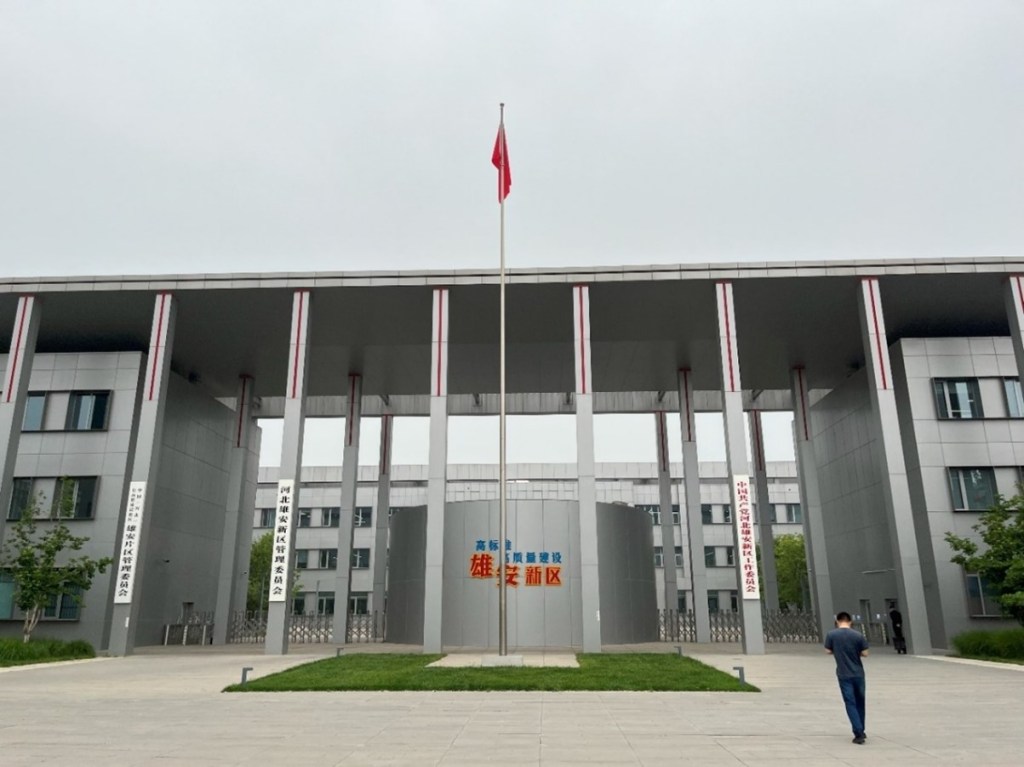
Spatial restructuring is the most effective means for regional planning and key content in the Coordinated Development Plan. The rapid development has transformed Beijing from a socialist capital to a world city and has produced a ‘poverty belt’ in Hebei, due to the earlier development approach that attached special value to Beijing, even at the expense of areas outside the capital. Therefore, Beijing’s spatial structure has been upscaled to regional level, which represents a regional form of urbanisation. The proposed regional spatial structure is featured by ‘one core, twin cities, three axes, four zones and multiple nodes’. Two high-profile spatial projects with purpose of regional integration were designated and financially supported by the central state, namely Tongzhou Administrative Sub-centre within Beijing and Xiong’an New Area in Baoding, Hebei, which are planned as the ‘two wings’ of Beijing. These two projects aim to undertake the decentralised non-capital functions, such as research institutes and universities, government departments, state-owned enterprise (SOE), and hospitals, etc.
Governance innovation
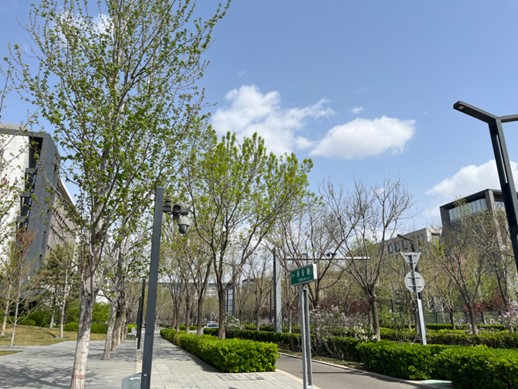
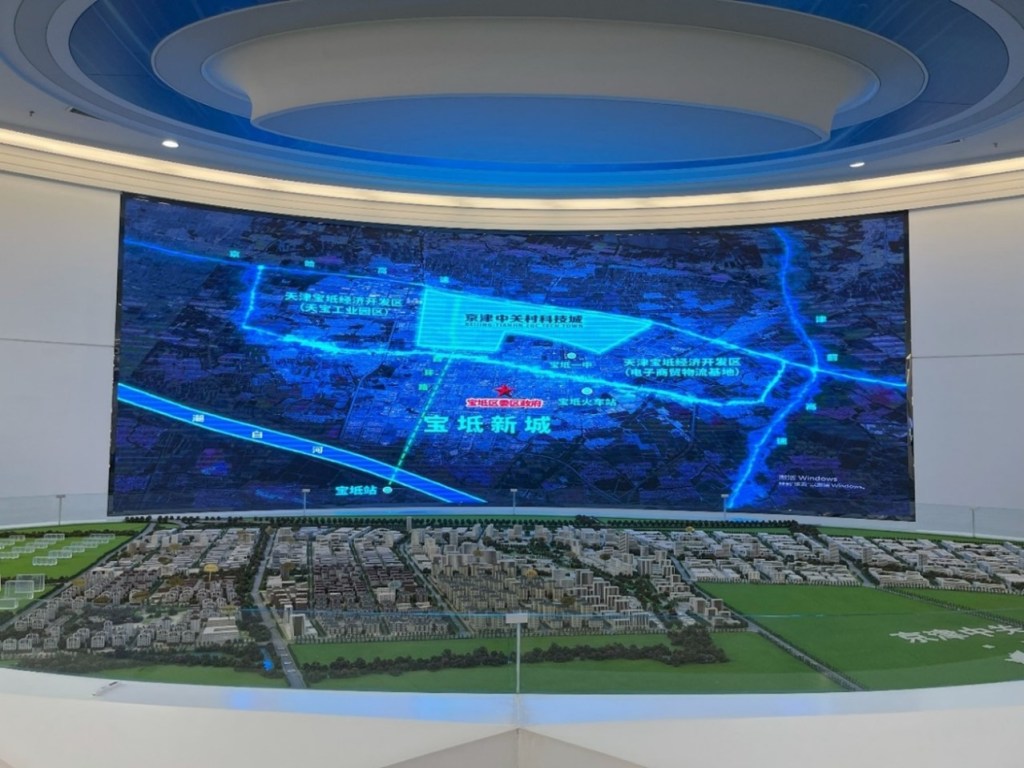
The implementation of coordinated plan depends on the interactions between multiple actors and local government inputs for state strategy. The coordinated plan goes beyond the economic governance and industrial dynamics and reshapes the territorial governance to cope with a series of crisis in the earlier stages. For example, the plan encompasses the environmental governance on catchment and air quality, which has shown more dynamic boundaries and complex relations between human and non-human actors. To disperse the non-capital functions, various inter-jurisdictional development zones that involve joint efforts of the central state and local governments have been developed. For example, Zhongguancun (ZGC) has co-built industrial parks with Xiong’an New Area, Tianjin Binhai New Area, Tianjin Baodi District, and Baoding within the BTH region in response to JJJ development. Cross-boundary cooperation and development consensus are achieved through institutional innovation.
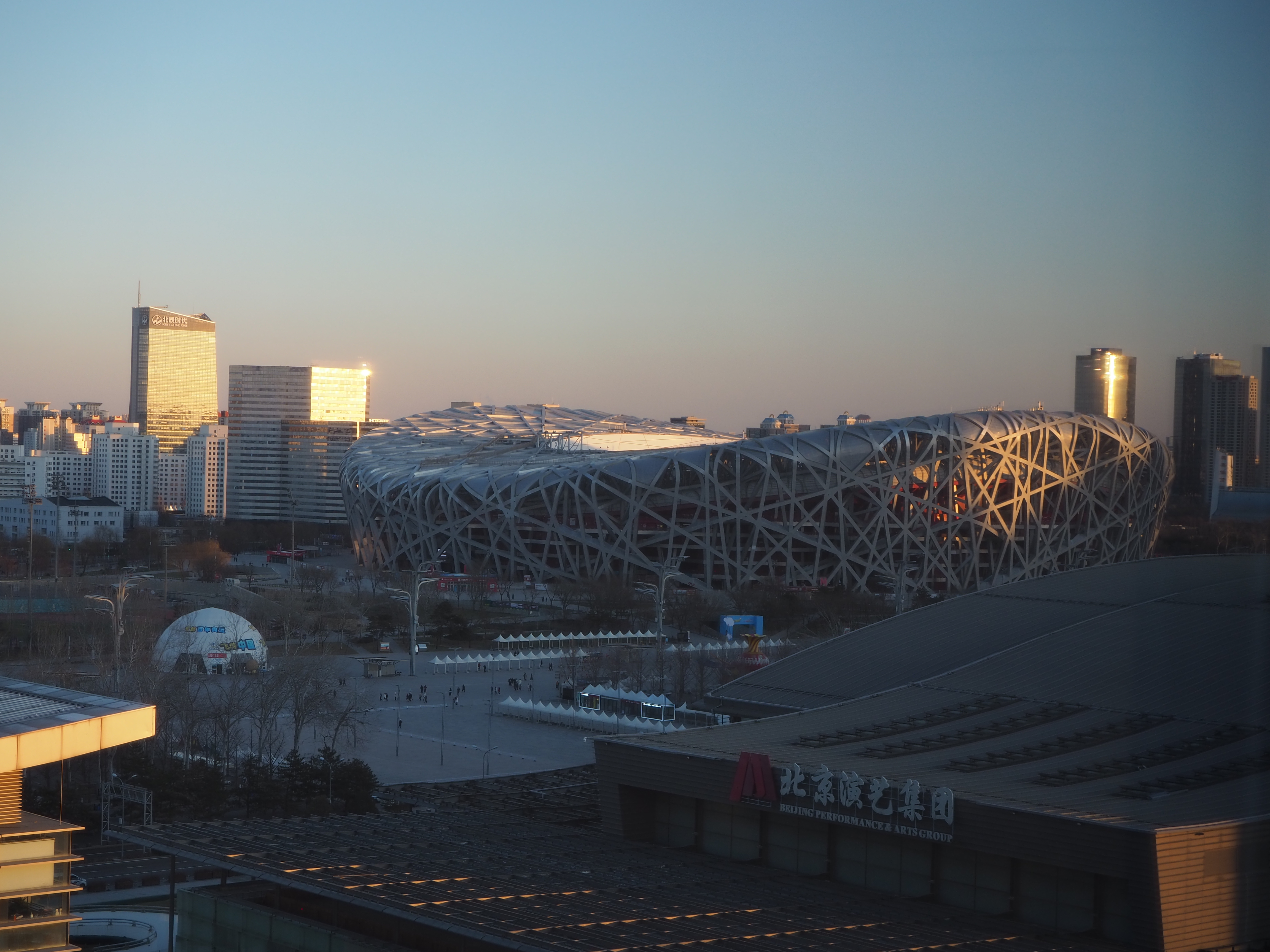
Photos by Fulong Wu. All rights reserved.
 ChinaUrban