Beijing is an additional case for the project. In the capital city of China, we examine how state governs grassroots neighbourhoods. Qinghe is a street office (jiedao) in northwest Beijing. It has experienced significantly socio-economic transformation in the past three decades, which turned it from an industrial town in the city’s rural-urban fringe to a high-tech centre with a large influx of rural-to-urban migrants. It is home to one of China’s most famous social governance experiments, i.e. the New Qinghe Experiment. Drawing on interviews and focus groups with practitioners and residents involved in the experiment and participatory observation of micro-regeneration projects that are parts of the experiment, we investigate how the governance experiment plays out on the ground and how that reflects China’s changing mode of governance, particularly on the neighbourhood scale.
Experimental governance, strategic intentions
The New Qinghe Experiment was initiated in 2014 as a government-funded, expert-led governance experiment. It aims to rejuvenate local communities and pilot new governance models through new grassroots deliberative institutions and participatory micro-regeneration. Unlike traditional modes of entrepreneurial governance, hardly any market actors were engaged and no financial measures (such as return on investment) were considered. Instead, the New Qinghe Experiment reflects the state’s strategic intentions of social governance innovation and people-oriented development.
Participatory micro-regeneration and community agency
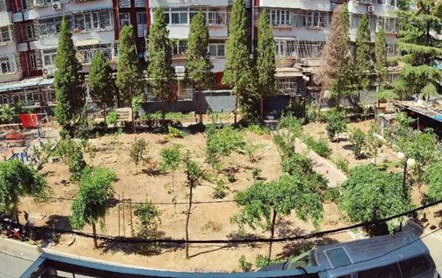
A significant part of the New Qinghe Experiment is participatory micro-regeneration. Demonstration projects were designed and implemented in three neighbourhoods, aiming to translate ‘social governance innovation’ into practice and cultivate self-governing communities (shequ zizhuxing). For example, in Neighbourhood M, volunteers – both citizen activist and local residents, were mobilised to partake in the regeneration of a community garden. They worked together with community planners in the design and construction of the garden. The project contributed to neighbourhood improvement, physically (as shown in Figure 1), psychologically and organisationally. Several community activities were organised in the garden after the regeneration in 2019, turning it into a new reference point in social life and a symbol of community identity. Residents also formed a volunteer team for regular garden maintenance.
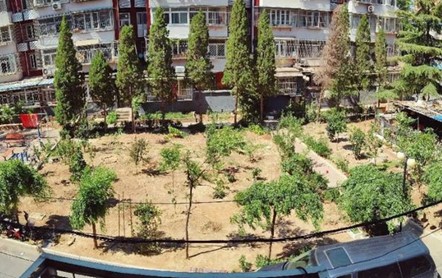

Figure 1 Community garden in Neighbourhood M, before (left, spring 2019) and after micro-regeneration in 2019 (right, autumn 2019) (Source: Tsinghua Tongheng Newsletter)
Tensions and challenges
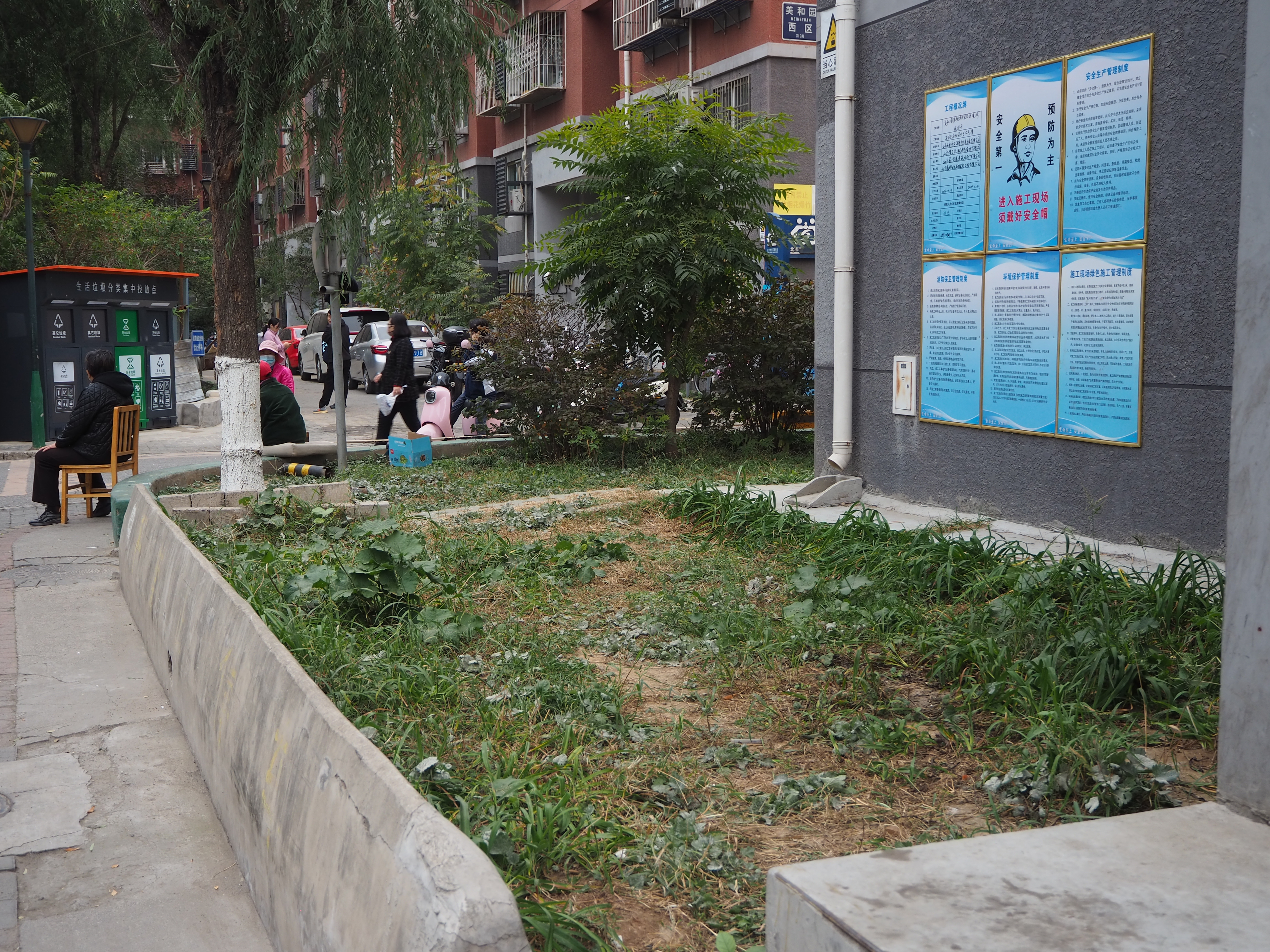
Although participatory micro-regeneration produced new urban landscapes, it encountered great difficulties in cultivating a self-governing community. In Neighbourhood M, the maintenance team dissolved due to lack of psychological ownership of the communal space. Participation in gardening was perceived by residents interviewed as either ‘lending a hand’ or ‘showing kindness’ but never their own business (Interview 20230526). Such attitudes rendered participation not sustainable since ‘no one is willing to volunteer everyday’ (Interview 20230518). Consequently, the community garden turned into an unmanaged messy place in just one year (Figure 2 top), generating wide criticism from residents about whether participatory regeneration was carried out in a right way or deemed necessary.
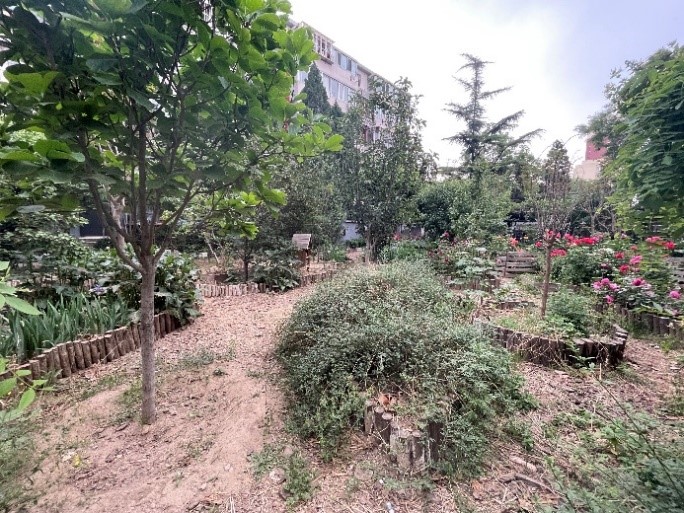
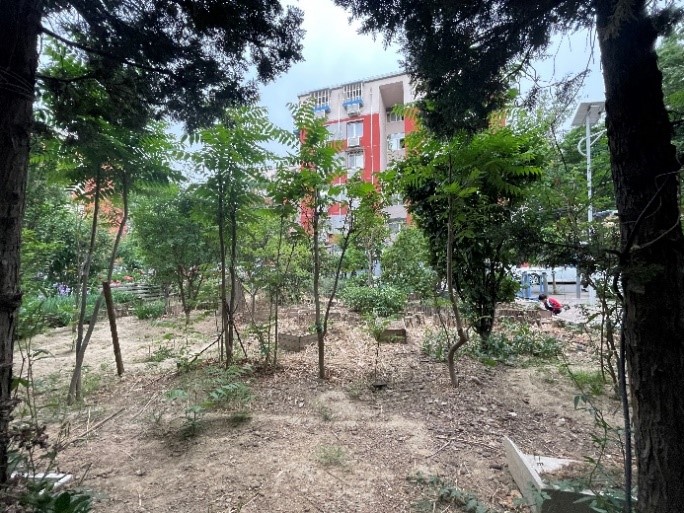
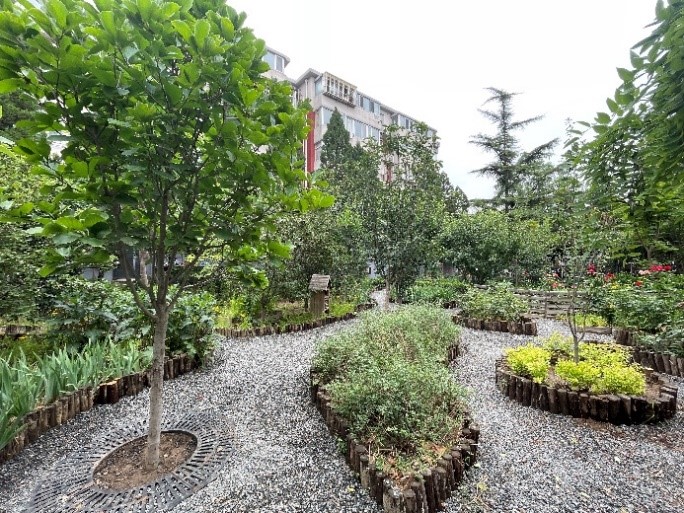
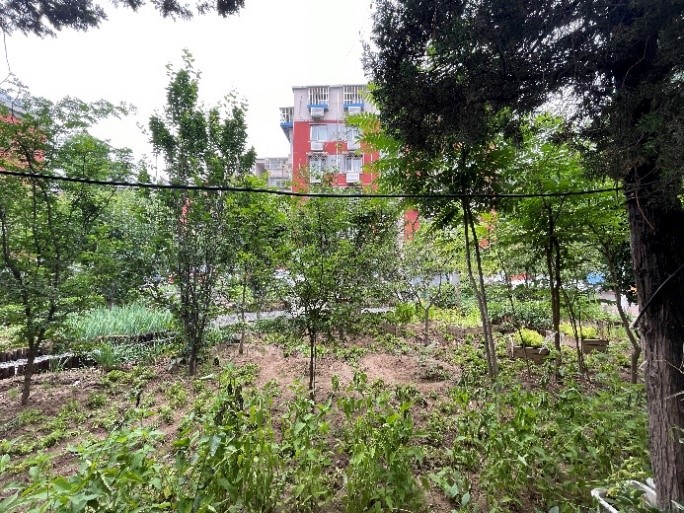
Figure 2 Community garden in Neighbourhood M, before (top figures, May 2023) and after micro-regeneration in 2023 (bottom figures, June 2023) (Photo by Ying Wang)
The way forward: co-production or party-led governance?
To fix such problems, a new round of micro-regeneration was carried out in the garden in 2023 (Figure 2, bottom). Our observation of a series of regeneration activities revealed an active role of the party-state. Rather than community self-governance, these activities were framed as a ‘collaborative project’ (xiao-di-qi hezuo) between local community, University H and the planning institute where community planners were based. Each mobilised members of the Chinese Communist Party (CCP) to contribute to the regeneration as both a project of governance innovation and a project of party-building (Figure 3).
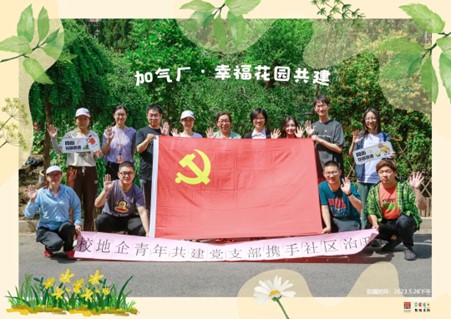
Figure 3 Party-building in participatory micro-regeneration, May 2023 (Source: Seed Nature Public Account)
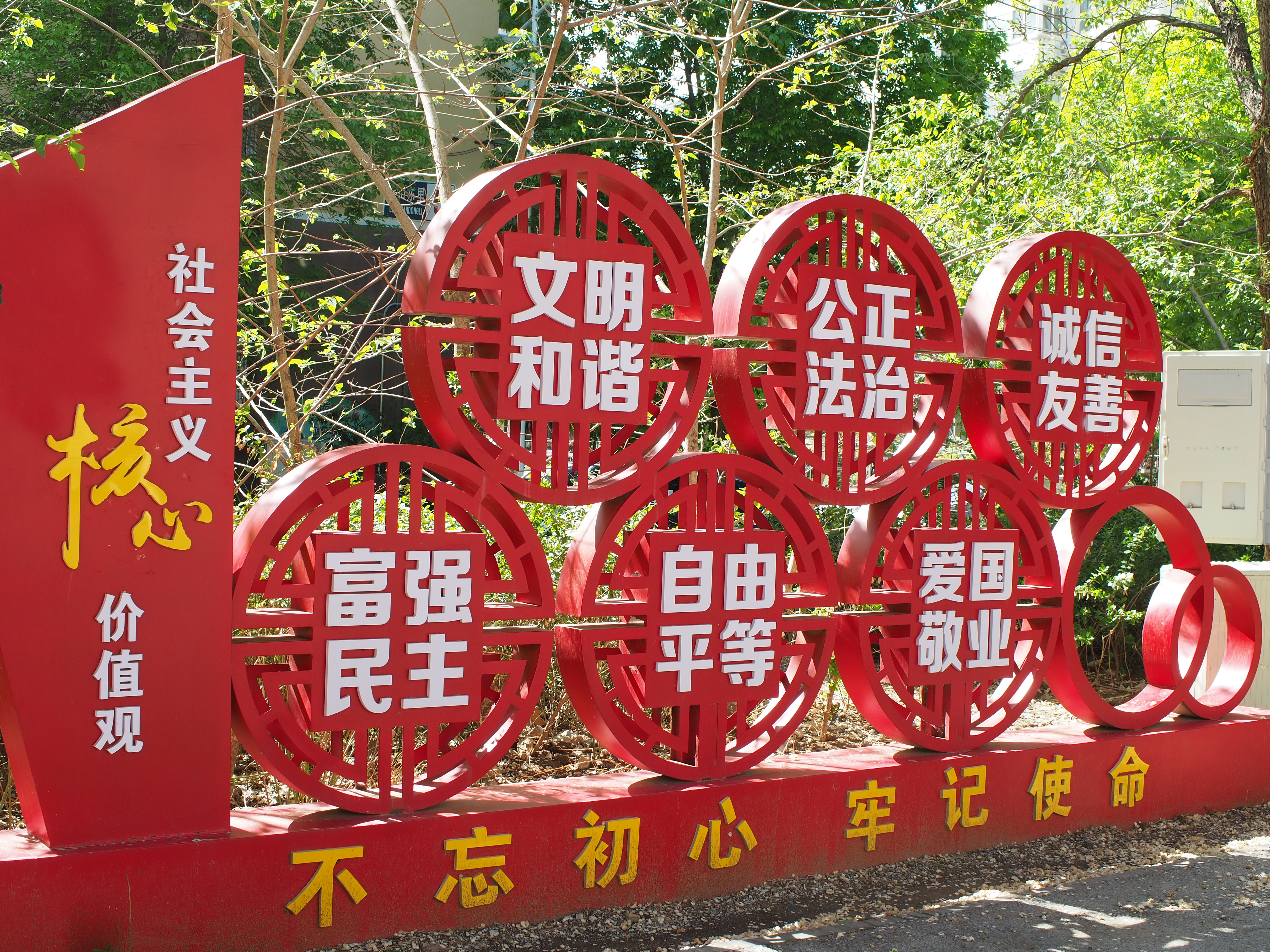
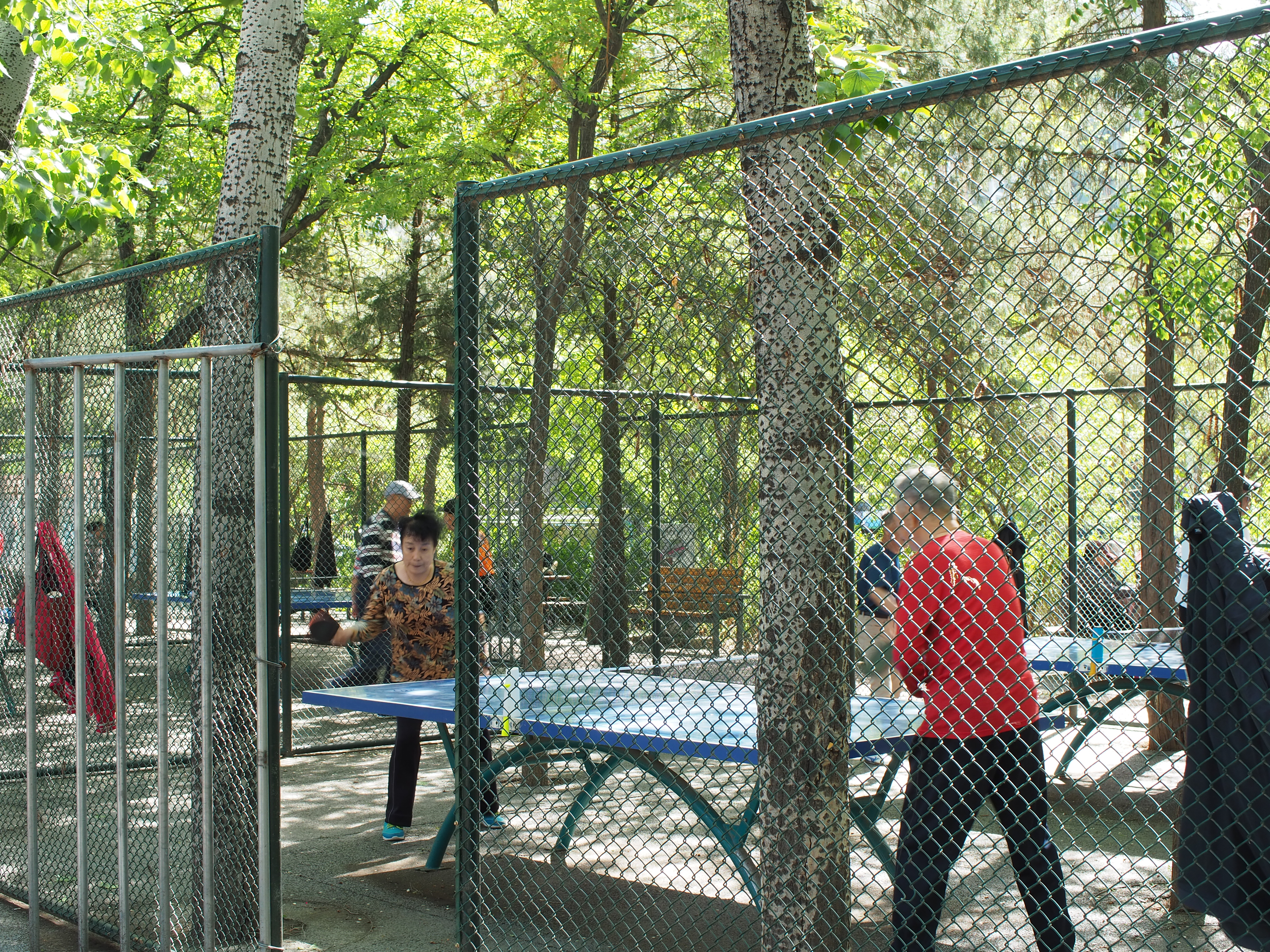
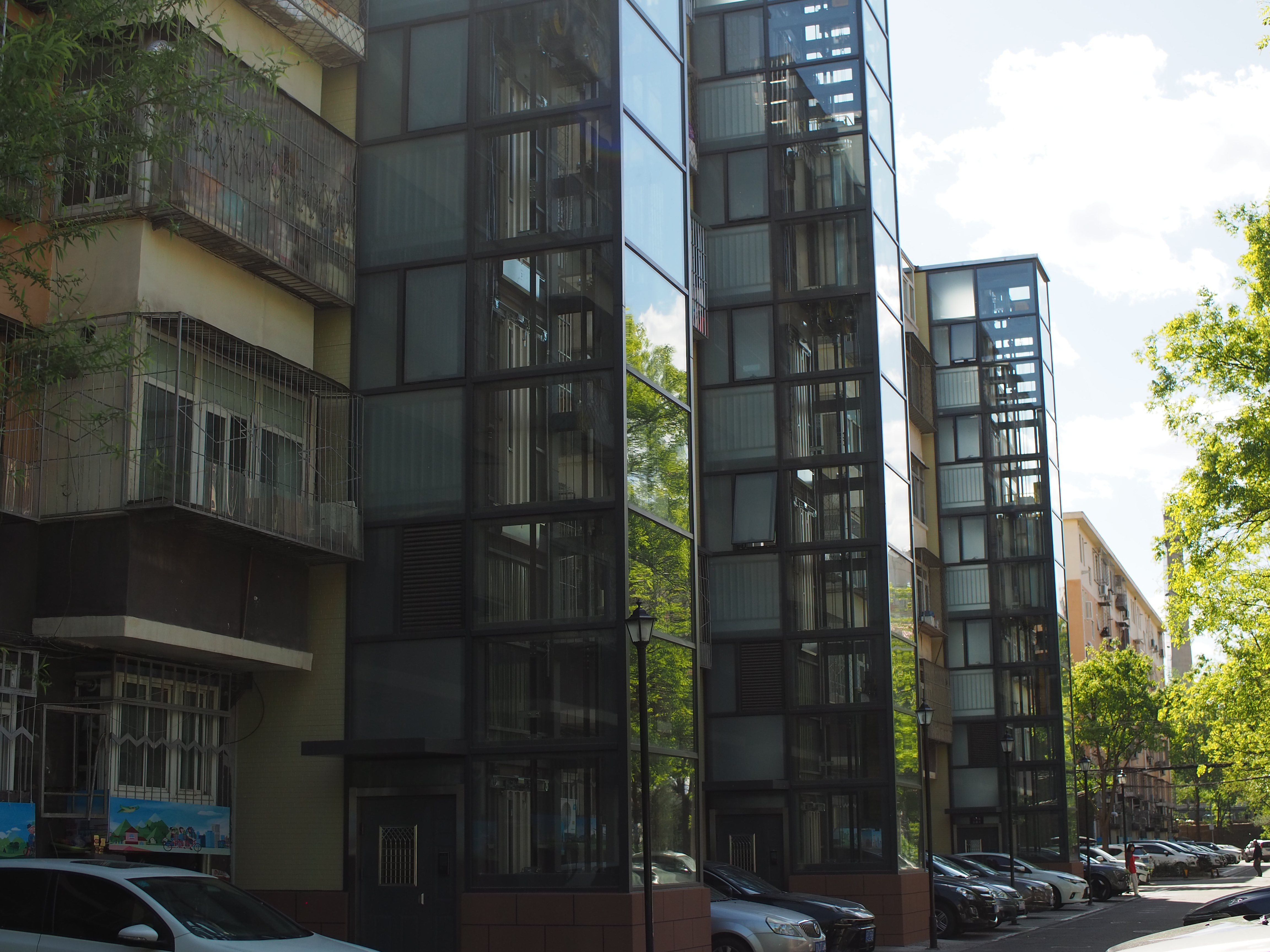
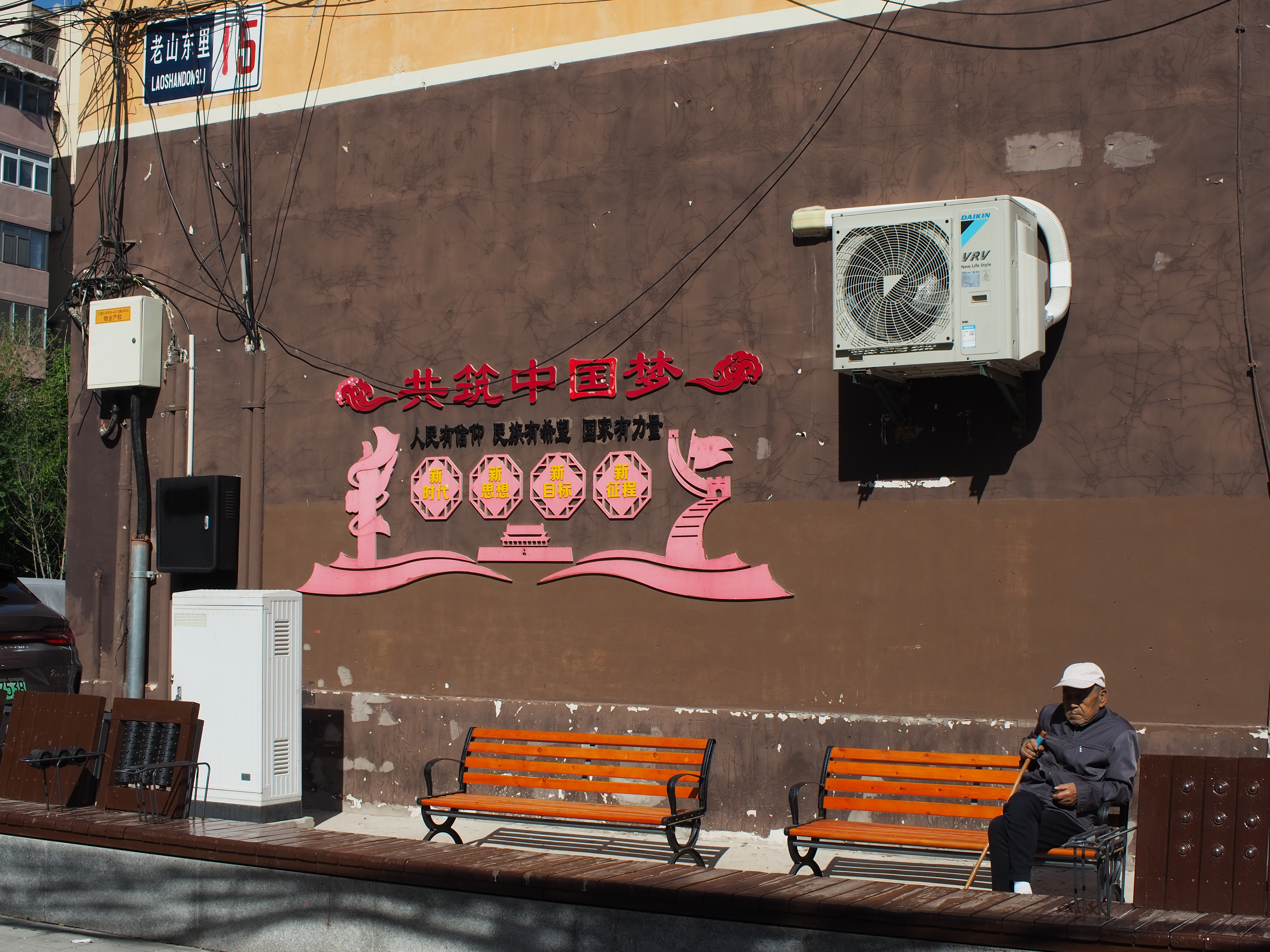
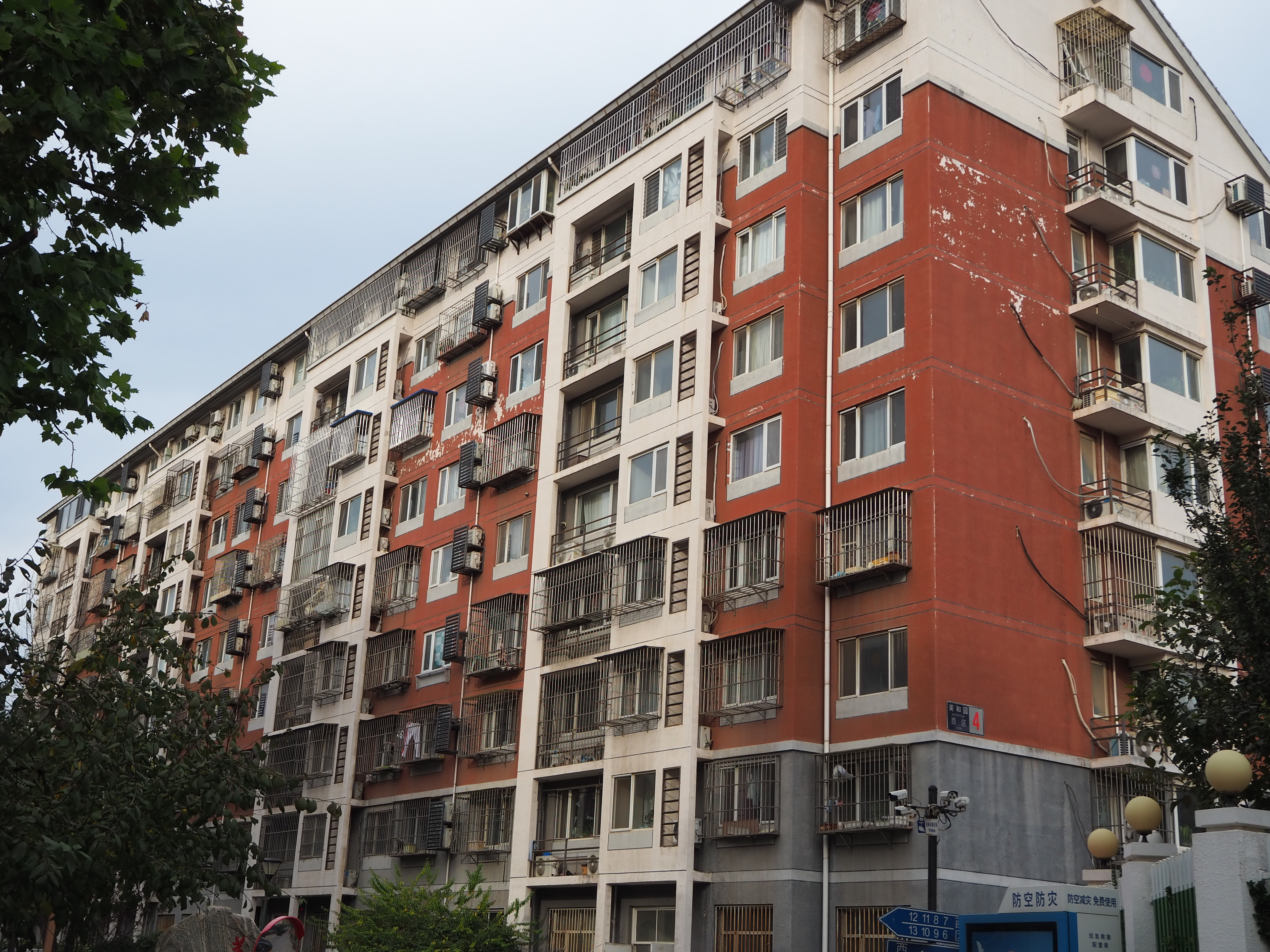
Photos by Fulong Wu. All rights reserved.
 ChinaUrban