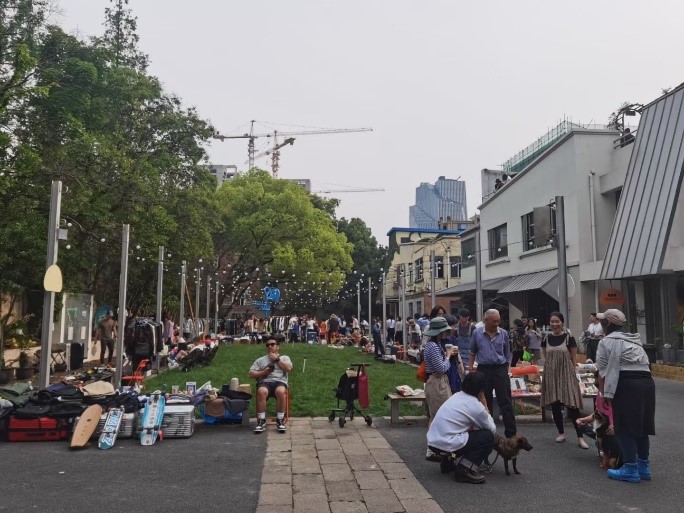
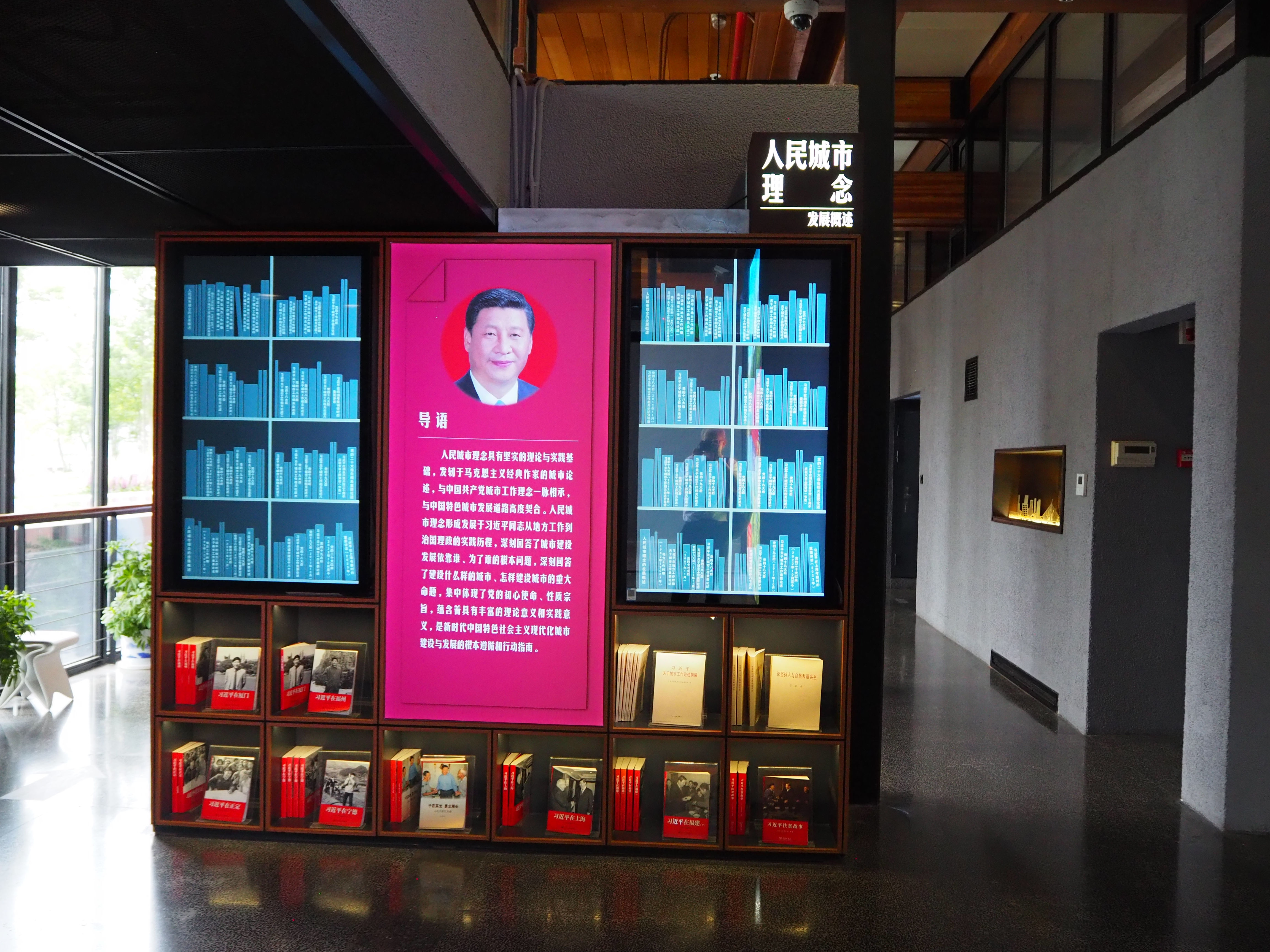
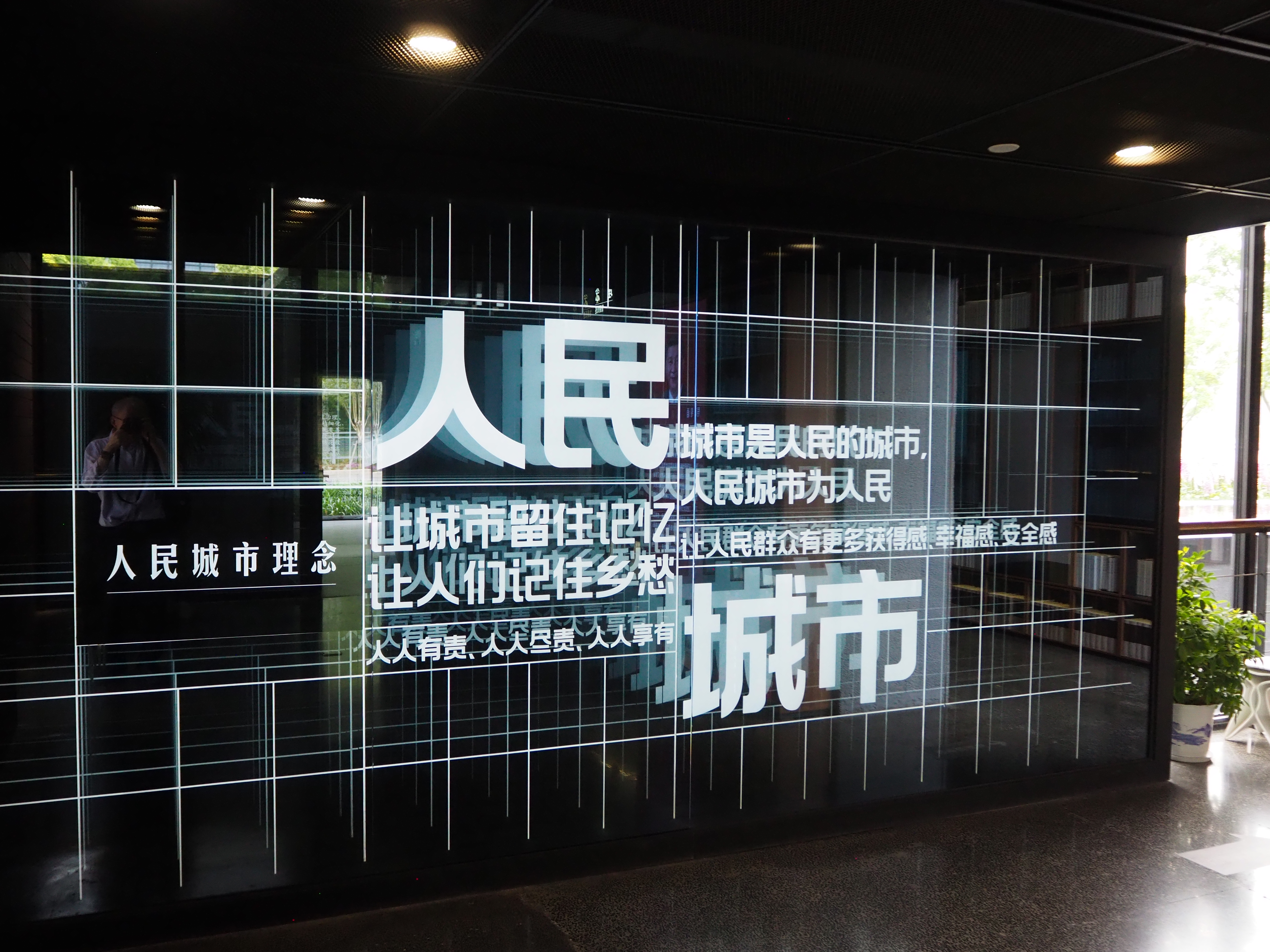
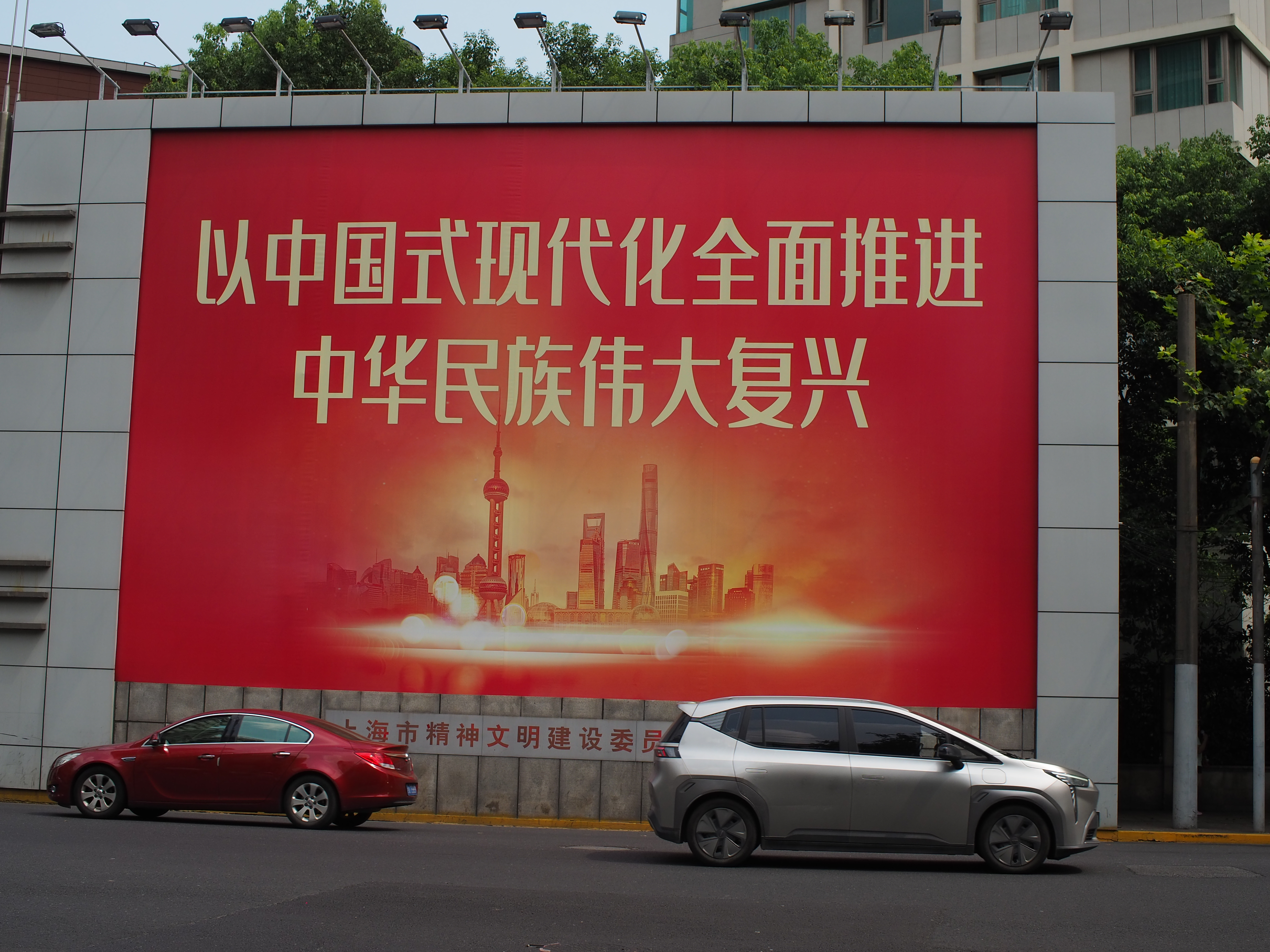
Shanghai is one of largest cities in China. Echoing President Xi Jinping’s vow for ‘building a people’s city’, Shanghai is making efforts to restructure its governance models and promote people-oriented development. Using Shanghai as a case, we explore how the national mandate of ‘people-oriented development’ is crystallised through urban and neighbourhood projects, including a megaproject called One River One Creek (Huangpu River and Suzhou Creek), community building (shequ yingzao) in Xinhua, community planning and community gardens in Dongming and the city-wide 15-min city campaign.
Urban development for ‘People’s City’
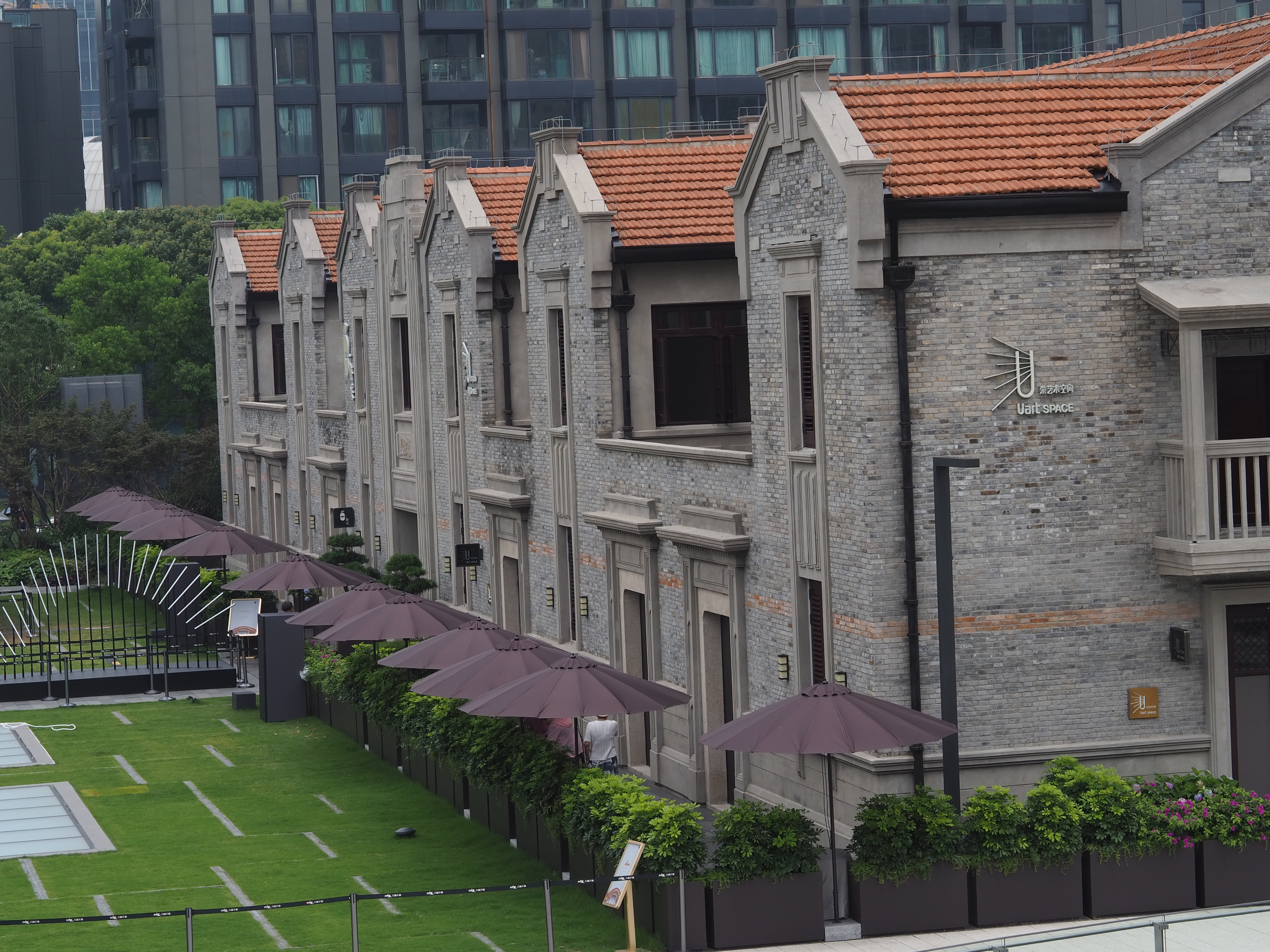
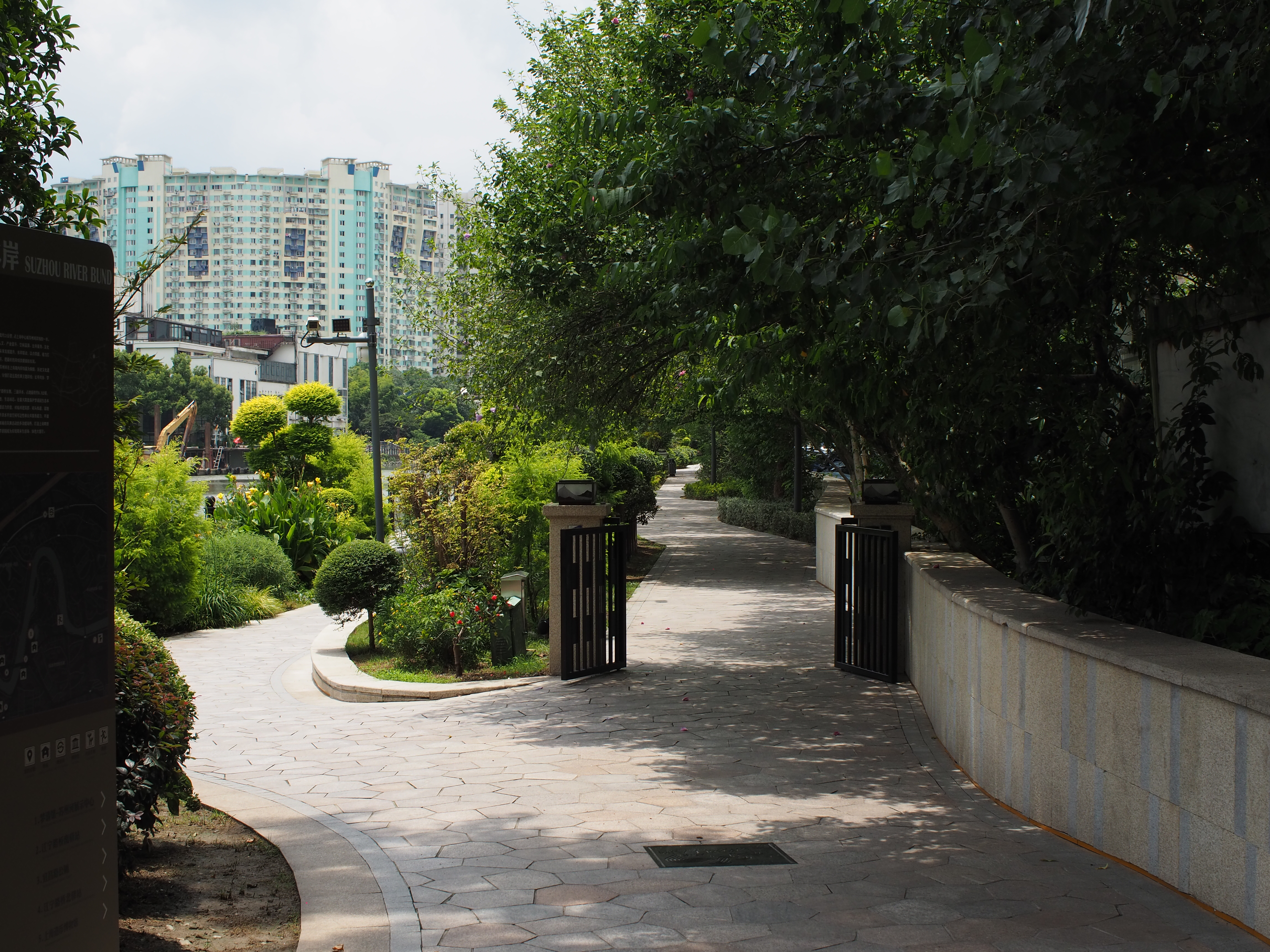
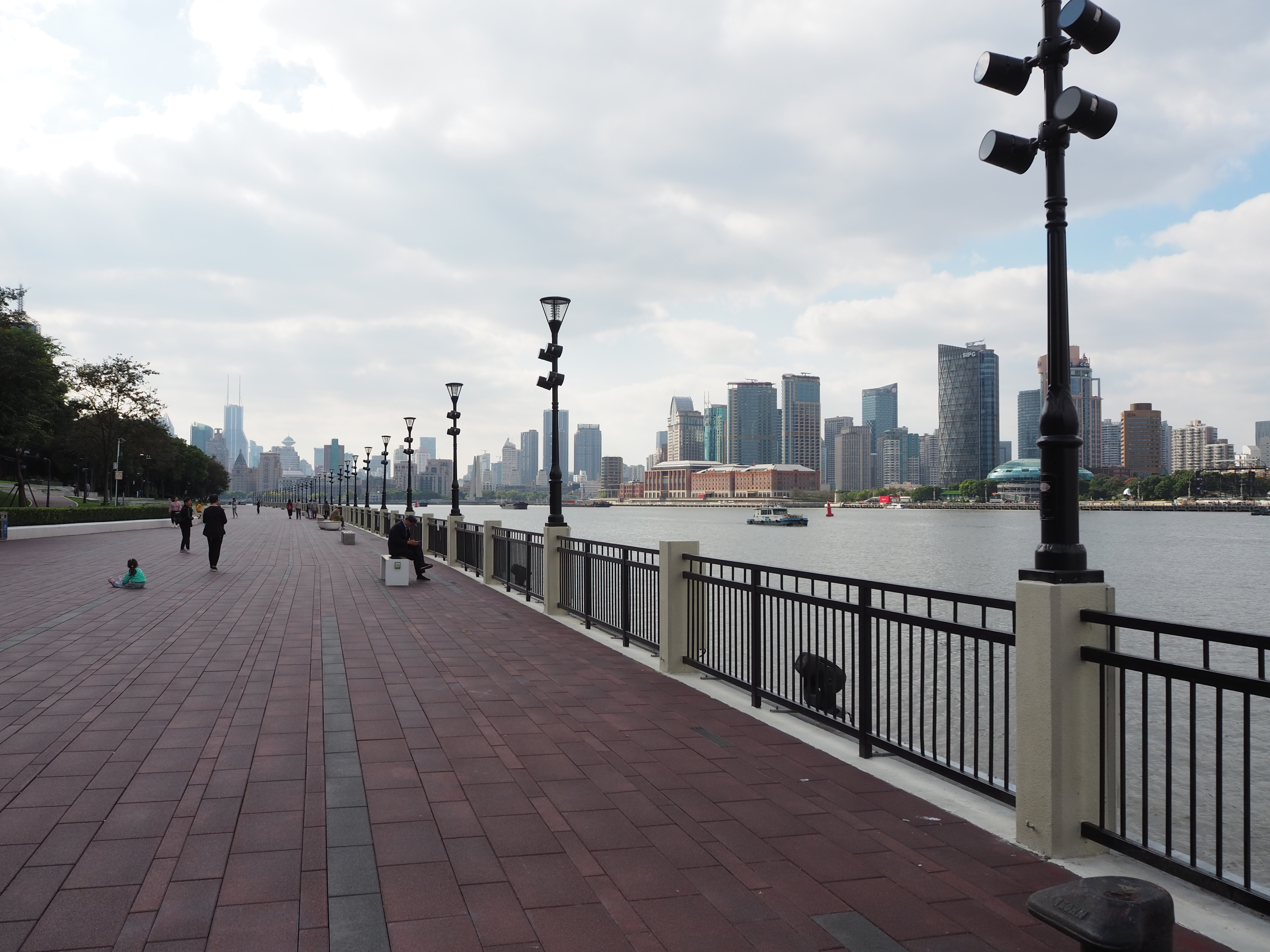
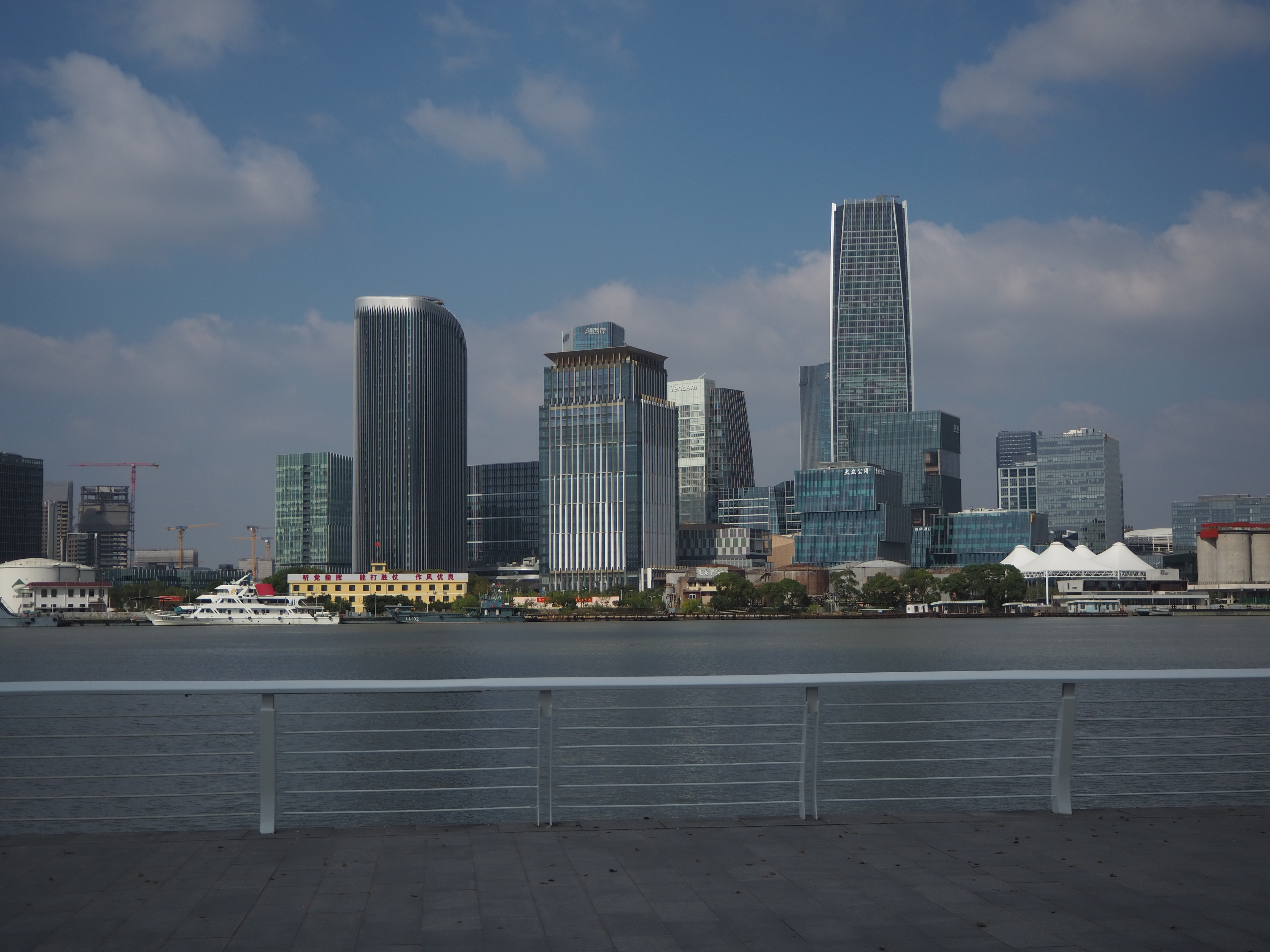
Shanghai’s most recent flagship project has been building a publicly accessible waterfront of Huangpu River and Suzhou Creek (One River One Creek, Yi Jiang Yi He in Chinese). Two major rivers run through Shanghai: the Huangpu River and Suzhou Creek. In 2019, the initiative “One River, One Creek” was formally proposed. It aims to revitalize the waterfront areas of the two rivers and provide continuous, public-accessible greenways and associated green facilities. The state ethos—People’s City—adds specific politically symbolic value to the new waterfront regeneration project. The Shanghai government uses governance innovations to monitor the process, unify multi-level state actors, and accelerate project delivery. The local government does not compromise with private market actors because for-profit developers are excluded from the project. It even used public finance to purchase land use rights from homeowners to open the land to the public.
Community building through social enterprises
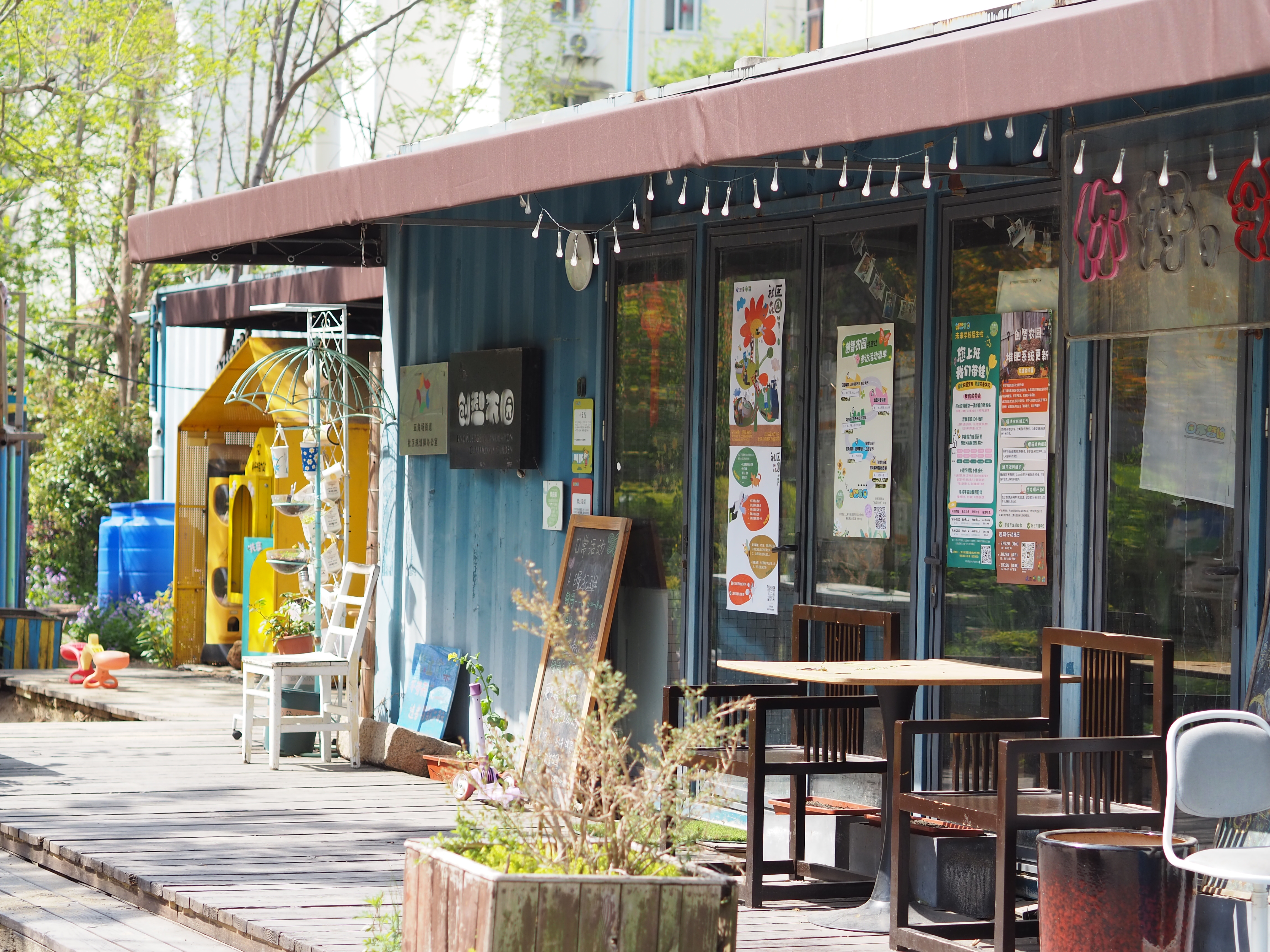
A number of social organisations emerged in Shanghai’s neighbourhoods and engaged in various community building activities. Taking the Xihua Community Building Centre and Jumingxin Community Planning Centre as examples, we find that these social organisations are not non-profit or voluntary organisations but de facto social enterprises that extend state entrepreneurialism to the grassroots level. On the one hand, they support the outsourcing of state responsibilities by actively design and implement neighbourhood projects aiming at providing community service, delivering civic education and facilitating citizen participation. In this sense, they serve as an instrument of the state that instrumentalises participation to realise the state’s extra-economic objectives. On the other hand, they follow the entrepreneurial logic and actively seek market opportunities in neighbourhoods (Fig. 1). Their strong links with the local state earn them trust both from residents and business partners, which consolidates a local market as a new space for capital accumulation.
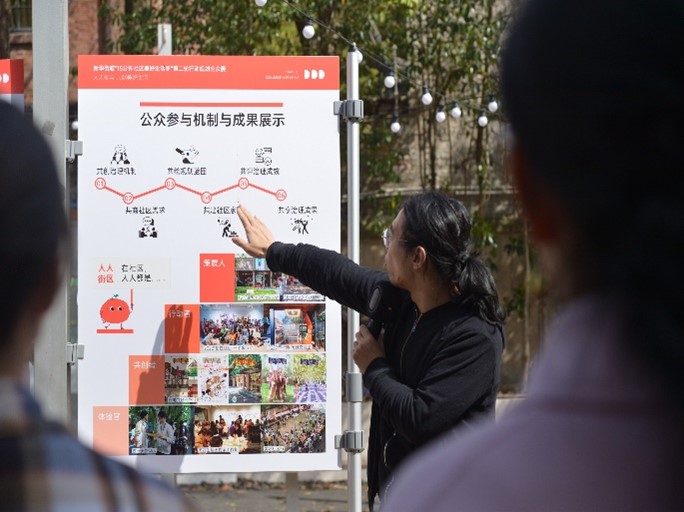
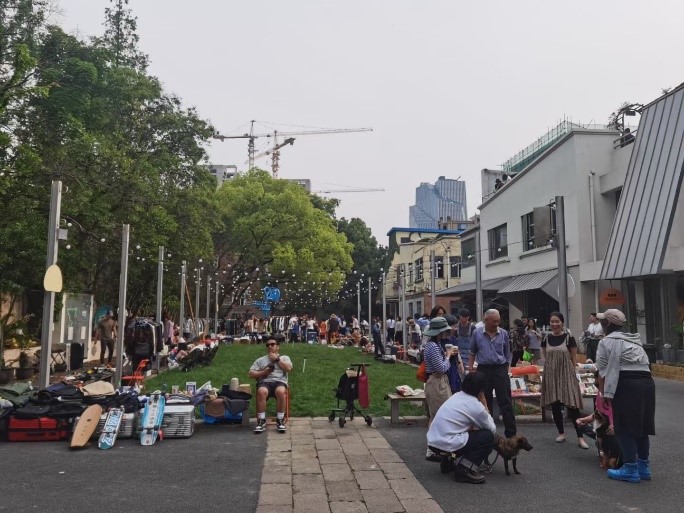
Figure 1 Community building in Xinhua. Left: public participation in Xinhua’s 15-minite city campaign at the Xinhua Community Building Centre (source: Dayu Public Account); right: Xinhua’s monthly community market (photo by Ying Wang, May 2023)
Community planning and citizen intellectuals
A new trend of urban planning – community planning has proliferated in Shanghai’s urban neighbourhoods. Drawing on participatory observations of several community planning projects, we unpack a detailed account of participatory activities in the new planning experiments. In Dongming, for example, we participated in a series of community planning workshops organised by the government-funded Jumingxin Community Planning Centre. Different from previous observations of participatory regeneration, there was no pre-determined plans about where and when to regenerate. Citizens intellectuals were organised to propose, discuss and draft plans of community regeneration (Fig. 2). The plans were later included in local project library, whose realisation depends on priorities, agendas and budget of local government. Therefore, ‘participation’ per se works out as the ultimate goal of community planning, which brings public creativity into community governance and materialises the state’s strategic goal of ‘people-oriented development’.
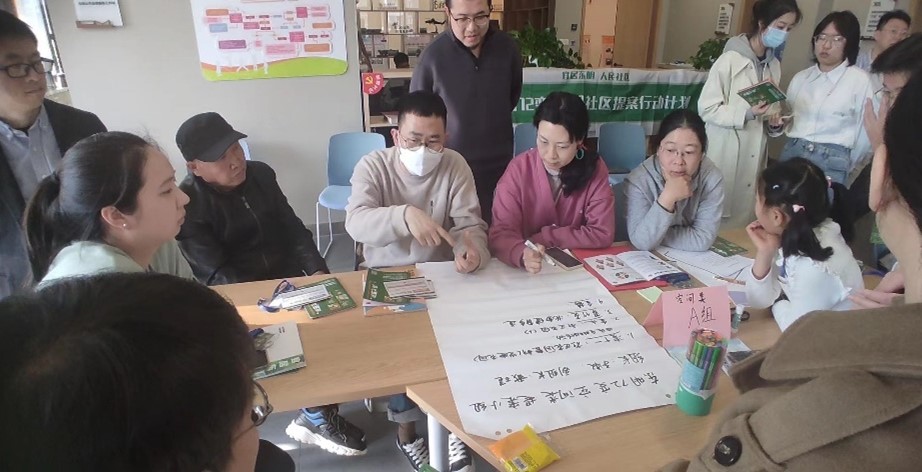
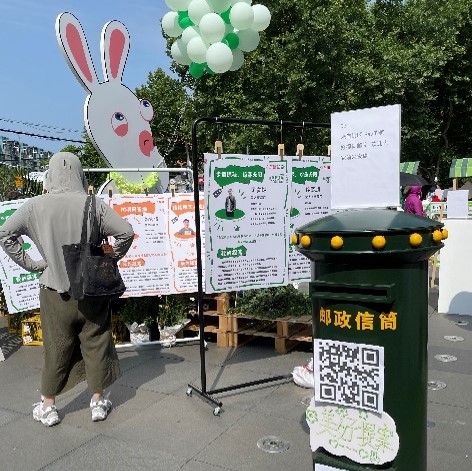
Figure 2 Community planning in Dongming. Left: a community planning workshop, April 2023; right: A resident reading community planning proposals presented at a community market, June 2023) (Photos by Ying Wang)
Variegated practices of community gardening
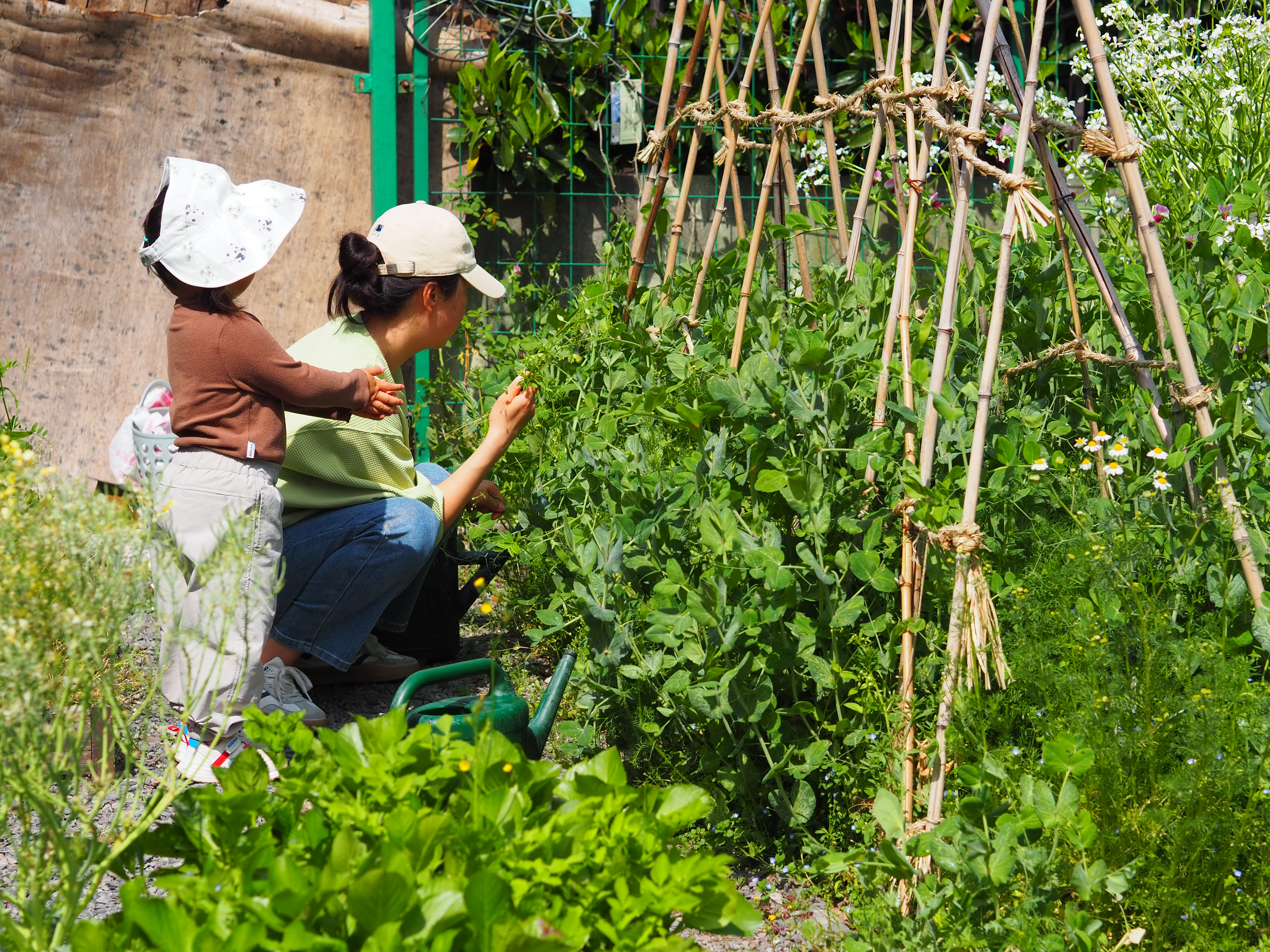
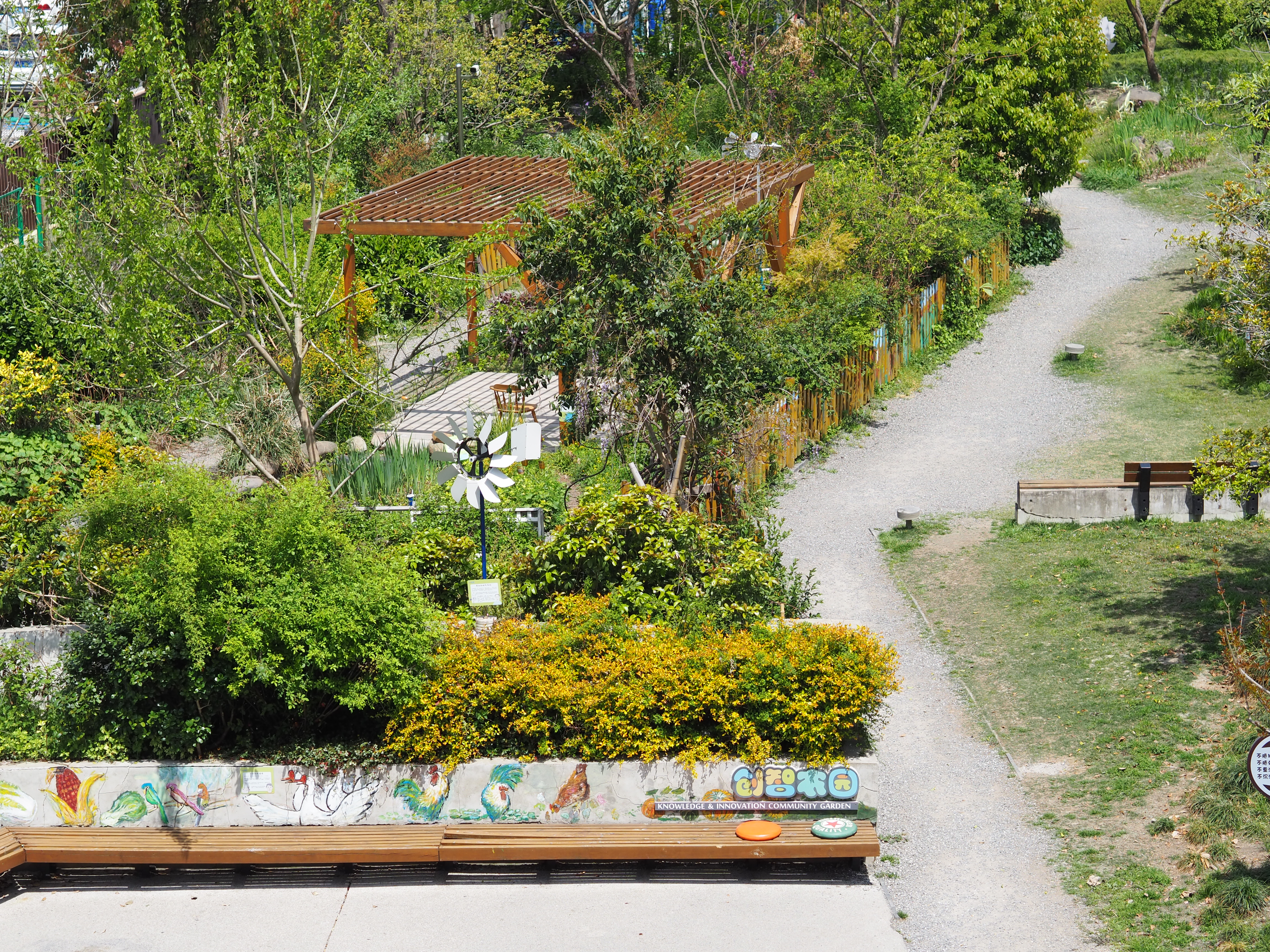
Green space and community gardens are one of the key areas of community planning. From more than 50 community gardens in Dongming, we summarise four main approaches of community gardening: 1) a political-administrative approach (abundant funding from local government, professionally designed and built, limited or no public participation, often associated with party-building or other political tasks, such as the Dangjian Garden, Fig. 3 top left); 2) a social organisation approach (funding from local communities or government, designed by citizen intellectuals or volunteers from social organisations, co-produced by residents and volunteers from social organisations, such as the Peony Garden, Fig. 3 top right); 3) a public art approach (funding from local government or social donations, designed by planning experts or students as a part of design competitions, co-produced by students and residents, such as the Star Garden, Fig. 3 bottom left); and 4) a self-claimed approach (crowd funding from residents, designed, produced and maintained by resident volunteers, co-opted by grassroots state agencies, such as gardens in Neighbourhood L, Fig. 3 bottom right). While the first and the last approach represent top-down and bottom-up gardening attempts respectively, other approaches lie between the two ends of the spectrum, reflecting dynamic state-society relationships that move beyond simplified interpretations of neoliberalism or authoritarianism.
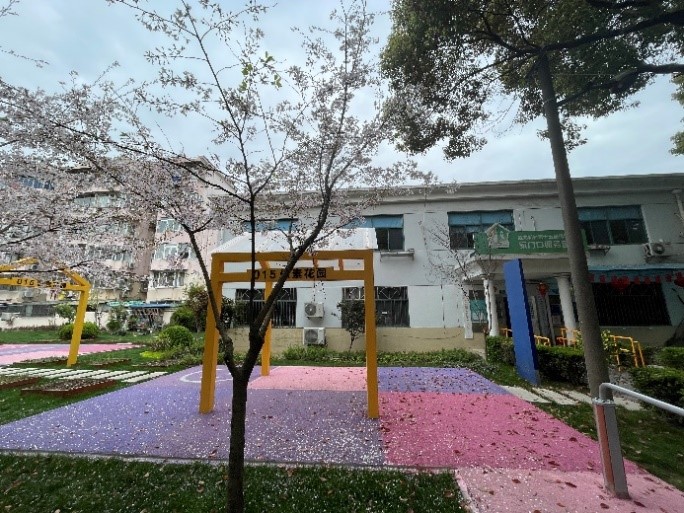
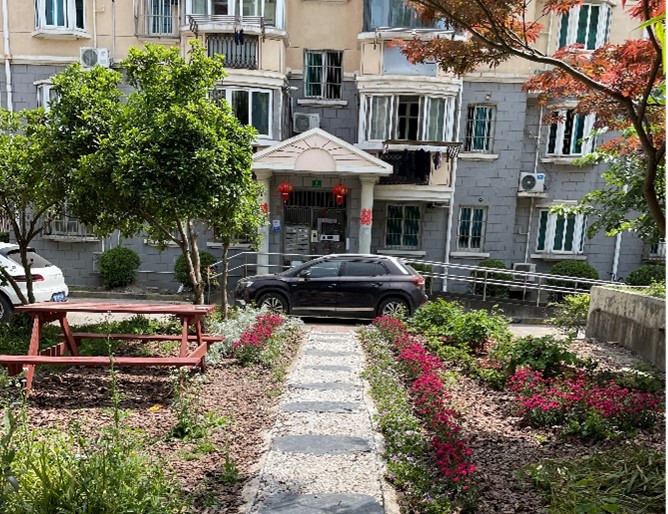
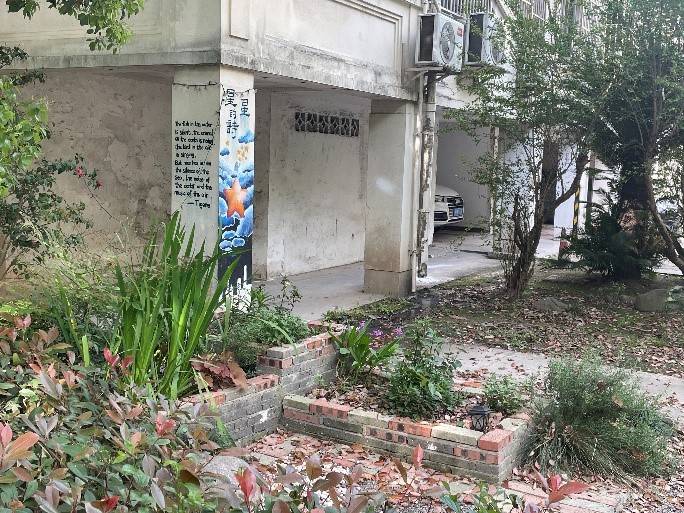
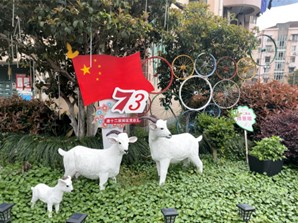
Figure 3 Community gardens in Dongming, Shanghai. Top left: the Dangjian Garden; top right: the Peony Garden; bottom left: the Star Garden; bottom right: the community garden in Neighbourhood L (Photos by Ying Wang, April 2023)
The 15-minute city campaign
While the idea of ‘15-minute city’ has become a hot-topic internationally, Shanghai has rolled-out its own 15-minute city campaign across the city since Oct 2022. Instead of a campaign to promote car-free neighbourhoods and sustainable development, ‘15-minute city’ works out in Shanghai as an umbrella term to include multiple local/neighbourhood initiatives in response to the national mandate of ‘building a people’s city’. These initiatives present 1) the rise of local and community planning where traditional logic of ‘planning for growth’ are complemented by new strategic objectives such as ‘quality of life’ and ‘people’s democracy (renmin minzhu)’; 2) a potential rescaling of urban governance where new rights and powers are delegated to local governments (e.g. street offices and towns), with increasing attention paid to project implementation and citizen participation. However, it remains to be seen how the campaign plays out on the ground; whether it realises the goal of ‘combining top-down and bottom-up forces’ or becomes a new mode of technocratic governance that instrumentalises bottom-up forces to serve the strategic purposes of the state.
Photos by Fulong Wu. All rights reserved.
 ChinaUrban