
Events
We are organising a series of events including workshops, seminars and conferences to gather thoughts, inspire research and disseminate outputs.
Rethinking China’s Urban Governance Workshop II. Shanghai, China. 09/11/2024.
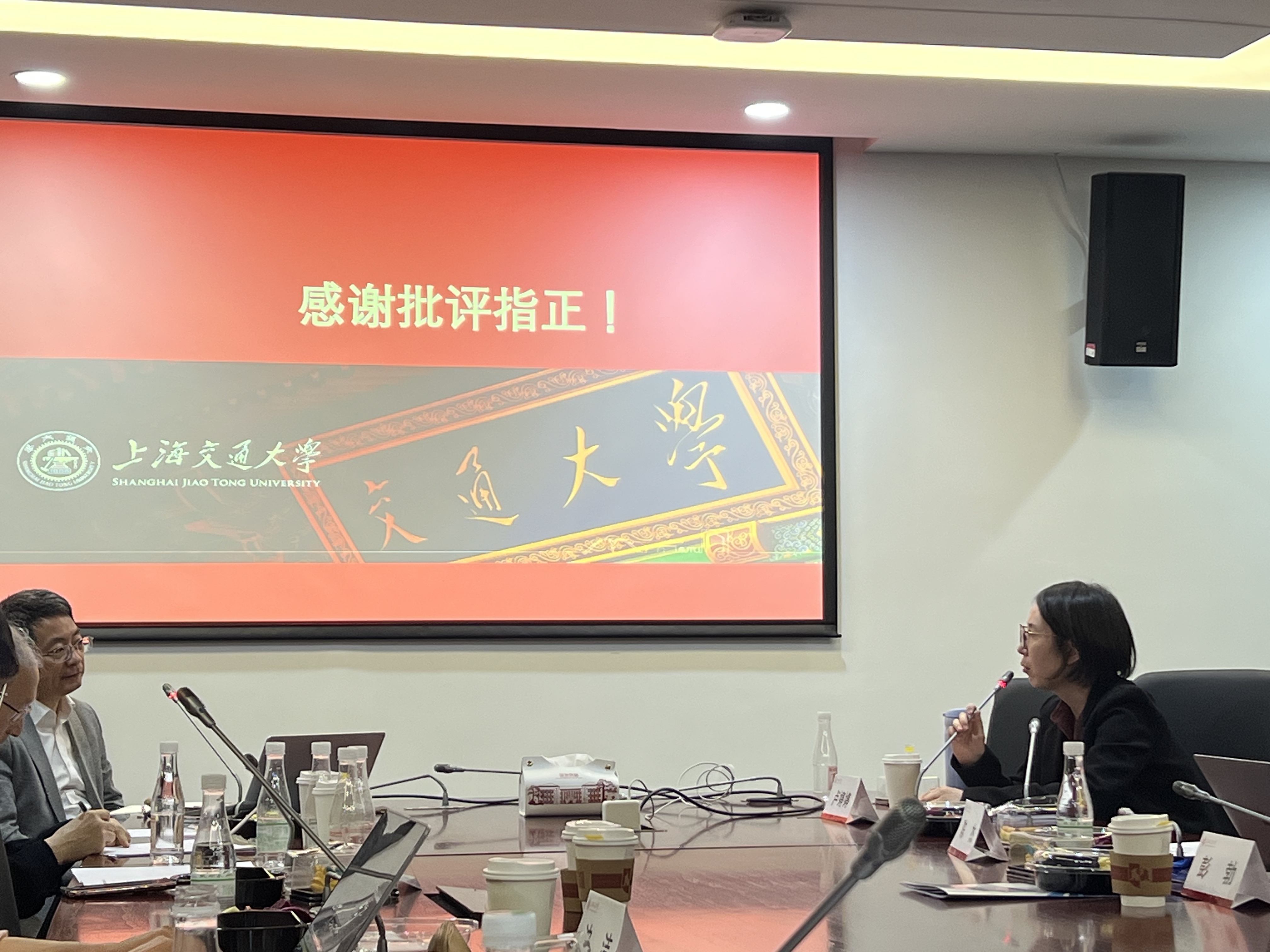
Funded by the ERC project, Prof. Fulong Wu organised the second workshop on China’s urban governance at Shanghai Jiaotong University in Shanghai, China on 09/11/2024.
Following the first workshop successfully held at Fudan University, Shanghai in April 2024, this second workshop was held at Shanghai Jiaotong University. The theme of the workshop was the same as that of the first one, but there were fresh and different theoretical and empirical studies to further the discussions on the topic.
The workshop was chaired by Dr. Tingting Lu at Shanghai Jiaotong University, who was a former PhD student in the research group. The workshop consisted of discussions and presentations. There were five discussants, including Prof. Yi Li at Hohai University, Prof. Yang Xiao at Tongji University, Dr. Siyao Liu at Central Minzu University, Mr. Zhouyang Wang at Shanghai Urban Planning & Design Research Institute, and Dr. Jiang Chang at Shanghai University.
The programme of the presentations are as follows.
- Prof. Bo Peng (Shanghai Jiaotong University). ‘The outcomes and challenges of the practice of “People’s City”‘.
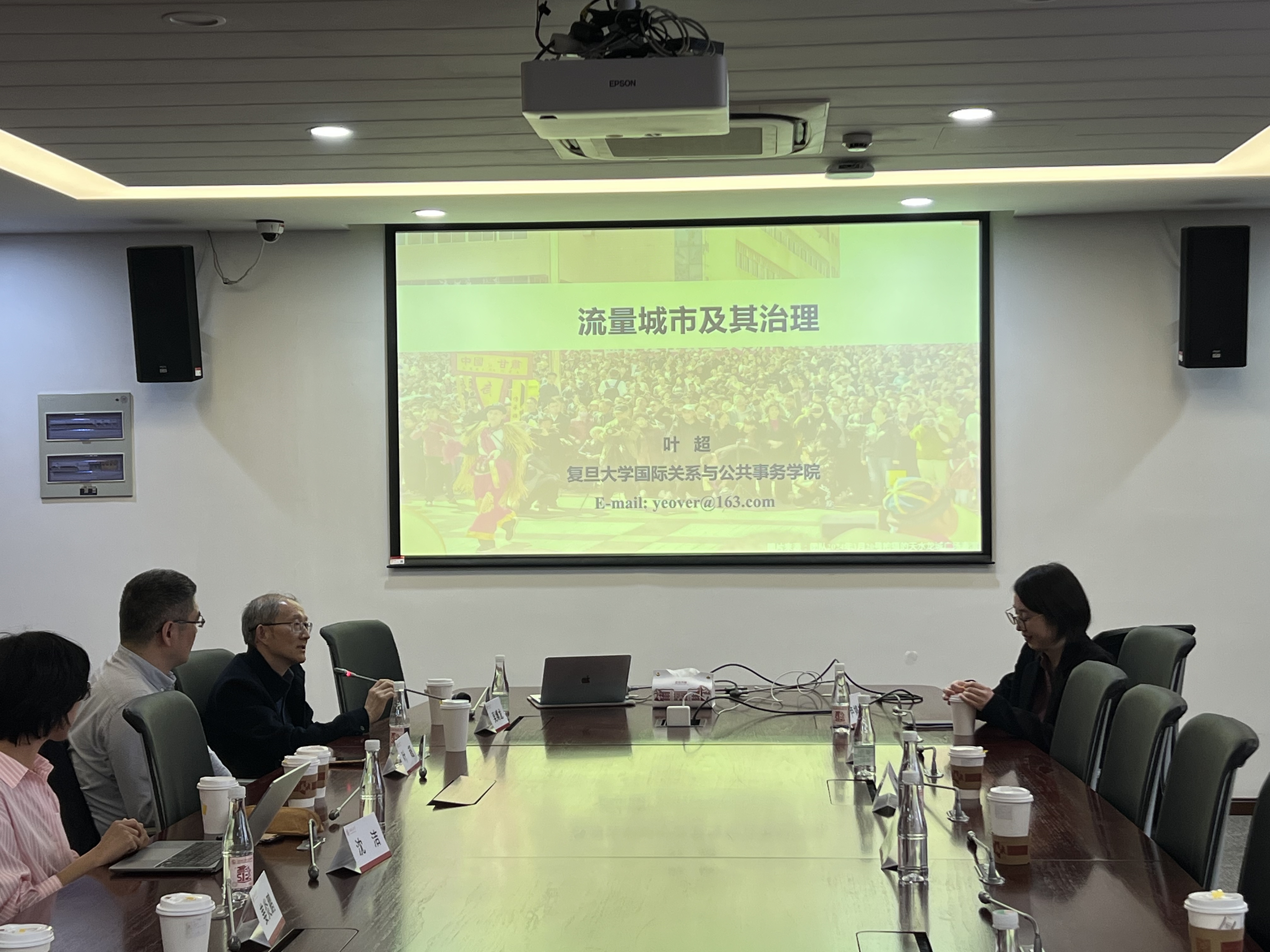
- Prof. Chao Ye (Fudan University). ‘The governance of “city of flows”‘.
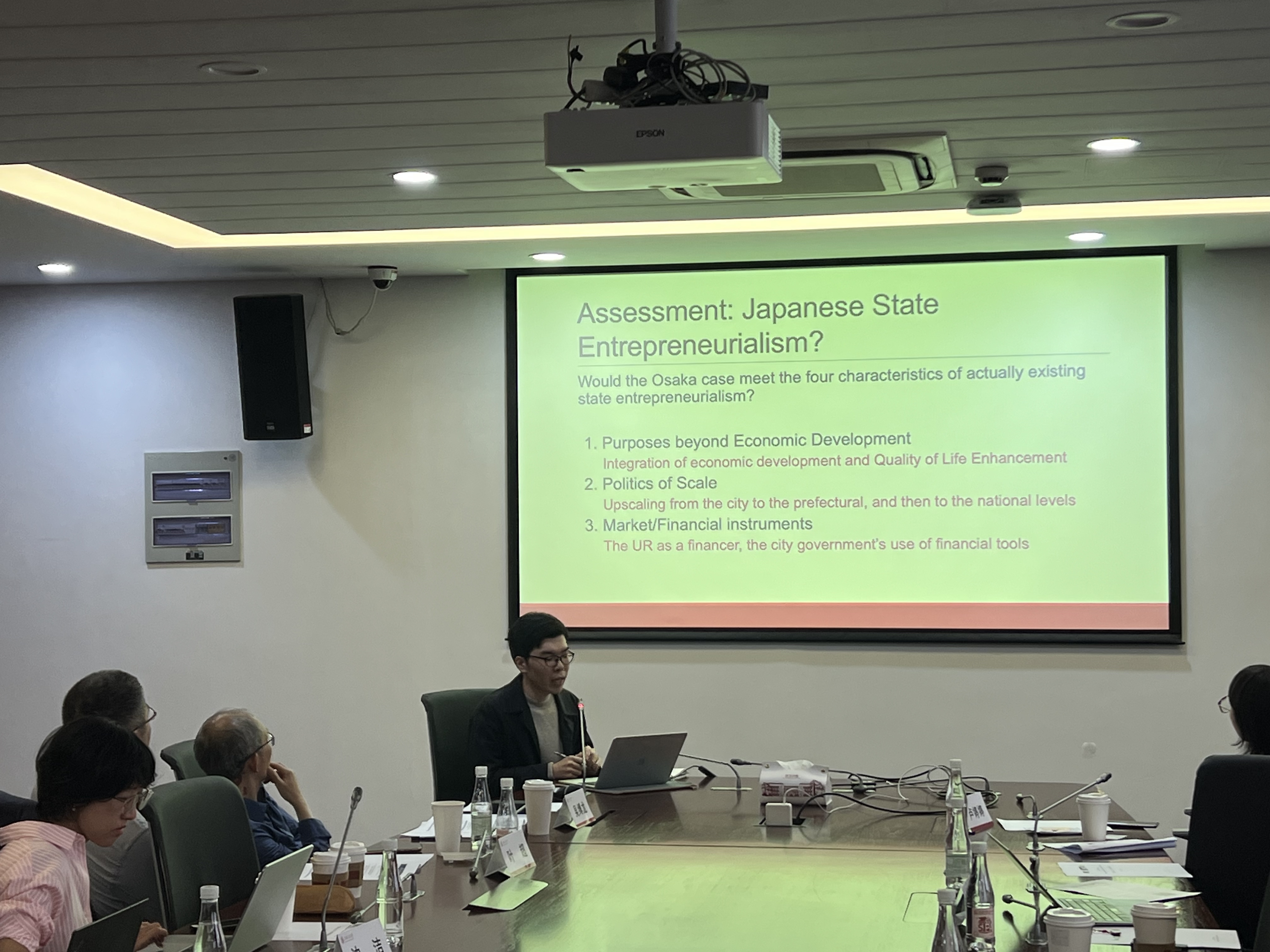
- Prof. Jie Shen and Mr. Tetsuya Imaoka (Fudan University). ‘State Entrepreneurialism Beyond China: A Case Study of the Super City Project in Osaka, Japan’.
- Prof. Yanpeng Jiang (East Normal University). ‘How are development zones used as an implicit path for development by the Chinese government in competition?’.
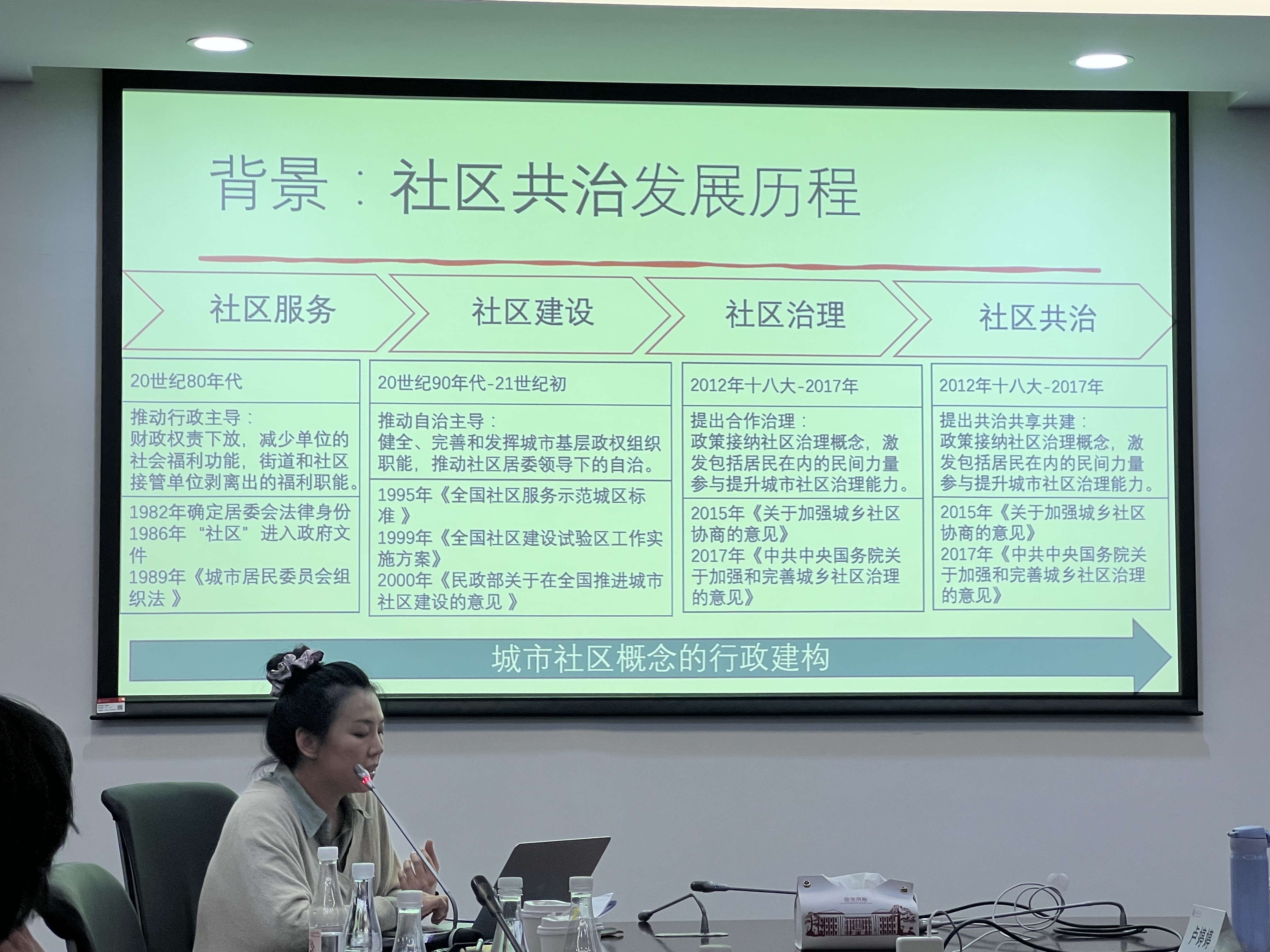
- Dr. Xiaoqing Zhang (Zhejiang Sci-Tech University). ‘The strategy of “borrowing the way” in grassroots neighbourhood governance: the structure of governance and the logics of action’.
- Dr. Fujie Rao (Shanghai Jiaotong Univeristy). ‘The reunion of spatial planning, design, and governance: A theoretical exploration based on an empirical case of a high street’.
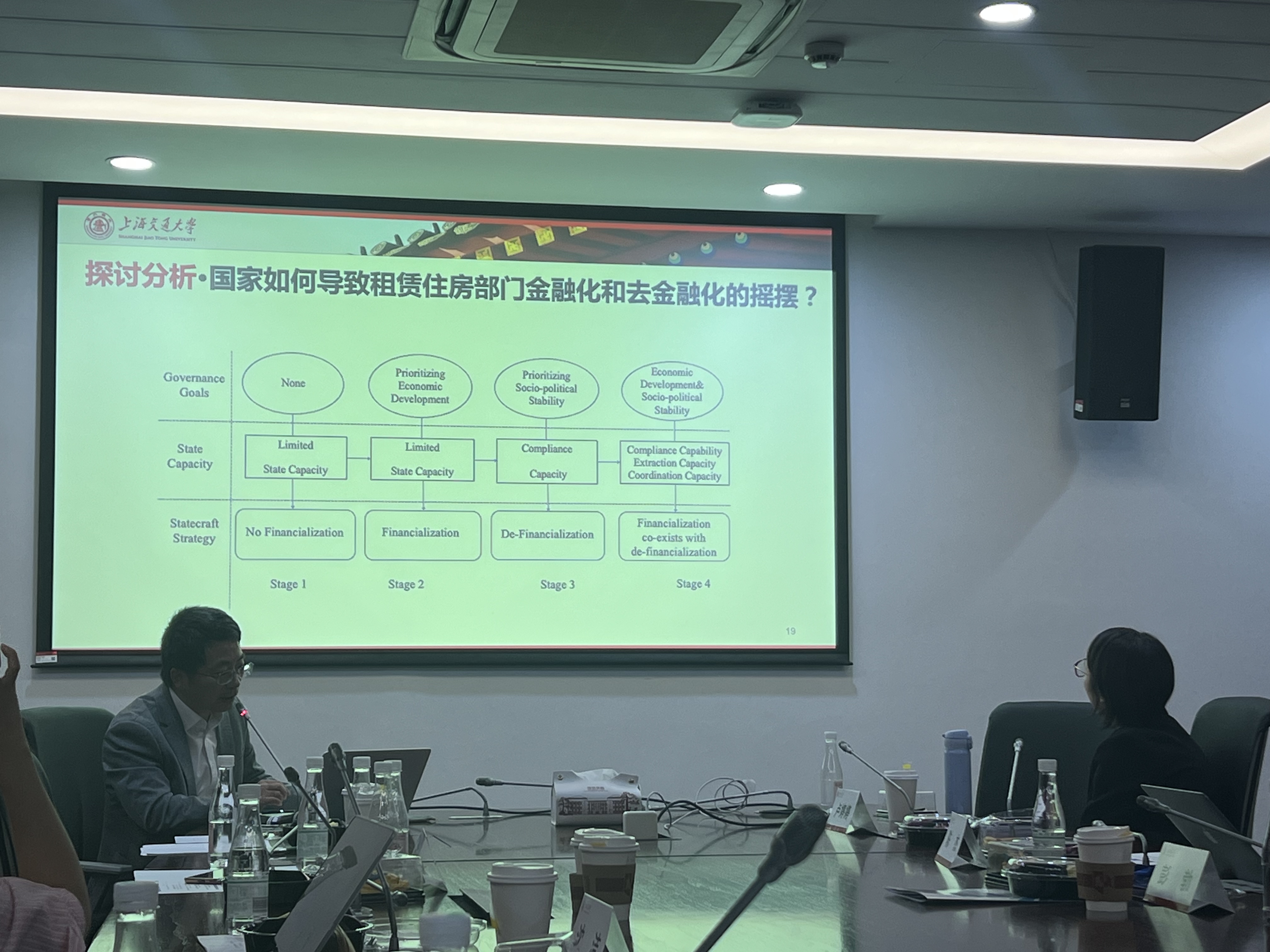
- Prof. Jie Chen and Mr. Xin Qi (Shanghai Jiaotong University). ‘The growth of state capacity and its influence over the financialisation of rental housing’.
The workshop fostered productive discussions.
 ChinaUrban