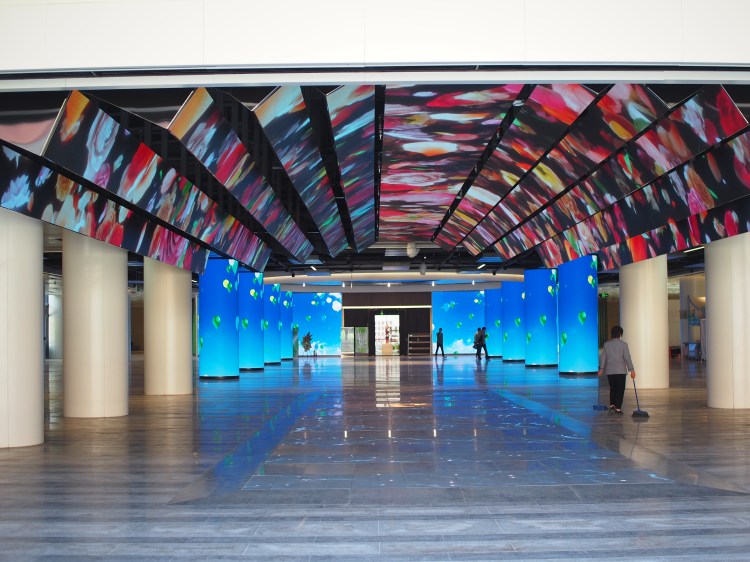
Planning and construction of Xiong’ An New Area
The Outline of the Beijing-Tianjin-Hebei Coordinated Development Plan has been issued in 2015 by the central state. Since then, the central state has begun to consider developing a new city outside Beijing and conducted site selection for the new city. Xiong’ An New Area, which spans Rongcheng, Anxin and Xiongxian counties and adjacent rural area has been selected, due to the high capacity for future development and a relatively excellent ecological environment within the JJJ region. Xiong’ An has got unprecedented national priority and support from the central state.
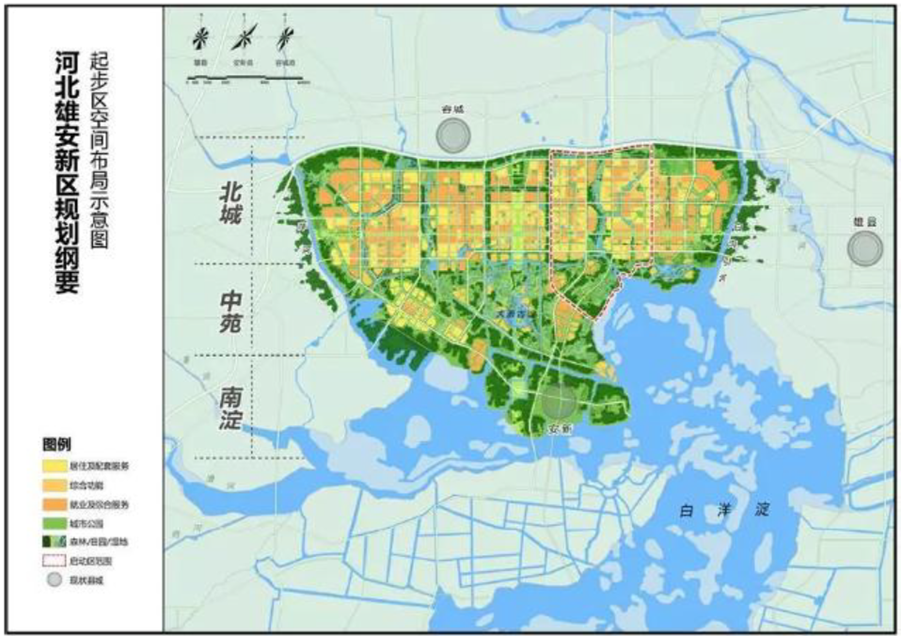
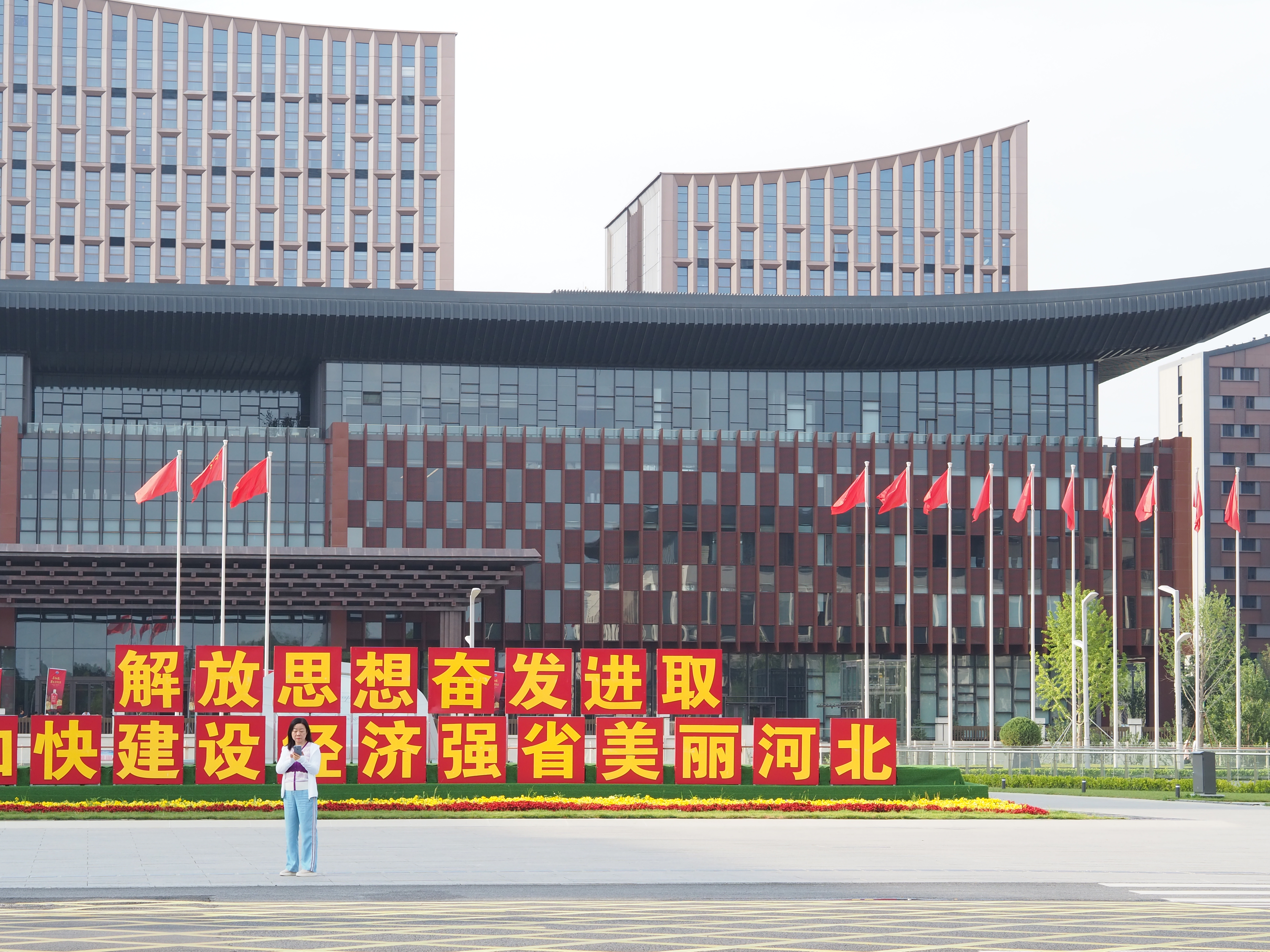
After announcement of establishment of Xiong’ An new Area, high-standard planning was proceeded before construction started, with participation of nationwide prestigious urban researchers and planners. Outline of Urban Planning of the Hebei Xiong’ An New Area and Master Plan of the Hebei Xiong’ An New Area (2018-2035) were compiled in a relatively short term and got approved in 2018 and 2019 respectively. Xiong’ An New Area was planned into four development phases, namely the starting-up area, the initial development area, the medium-term development and the long-term development area. At present, the construction is mainly agglomerated in the staring-up area and the initial development area, covering an area of 198 km2 (Figure 1). Xiong’ An completed the planning and resettlement work and entered a large-scale construction stage. By the end of 2020, the high-speed railway between Daxing International Airport and Xiong’ An was put into operation. It takes around 50 mins from Beijing West Station to Xiong’ An Station. The area has been undertaking the decentralised non-capital functions, such as hosting research institutes, universities, state-owned enterprises (SOEs), and hospitals.
Quality-oriented development model and governance changes
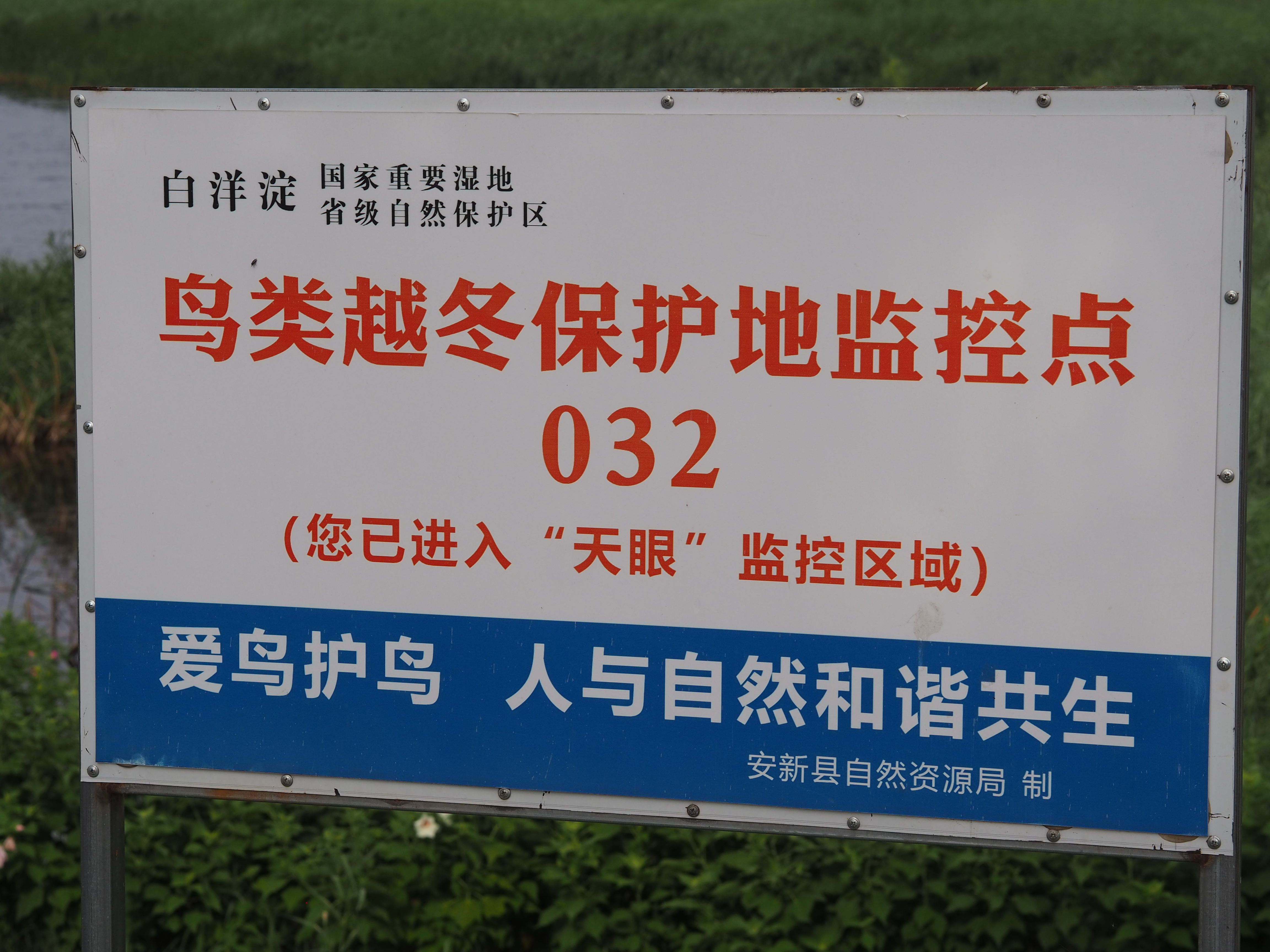
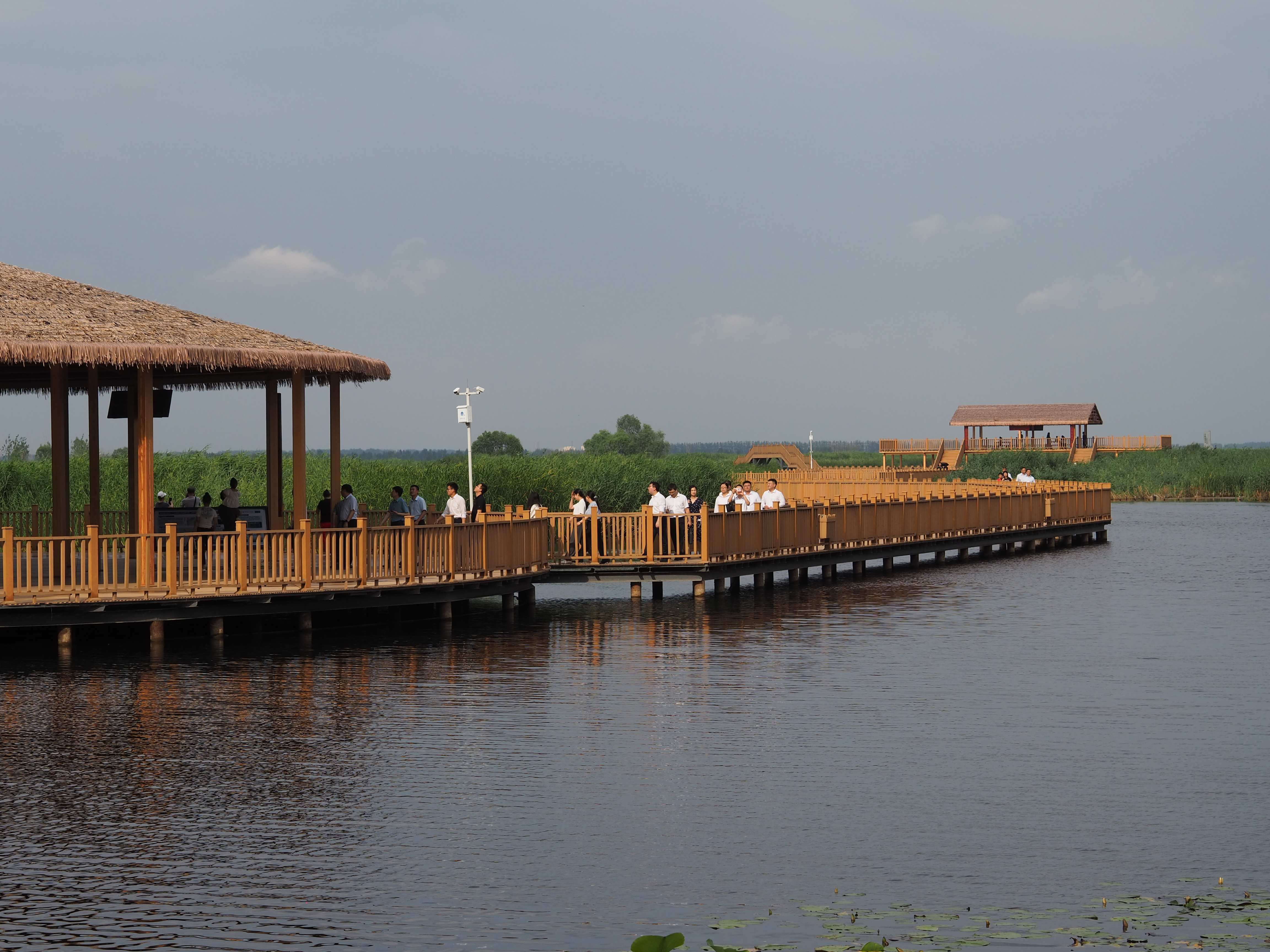
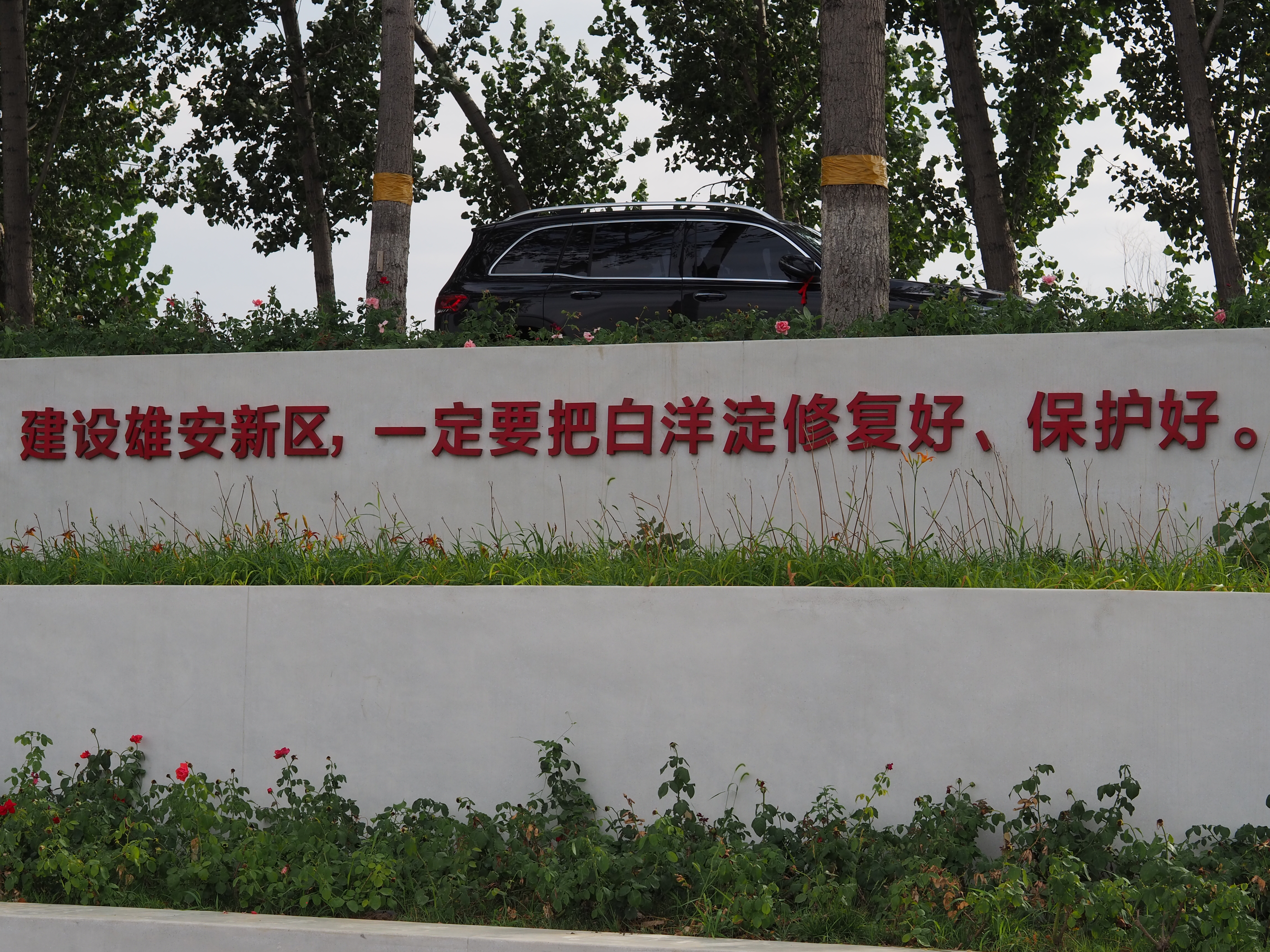
Xiong’ An is claimed as the new model of high-quality development, highlighting the ecological civilisation and people-oriented urbanisation. Labelled as ‘city of the future’, Xiong’ An aims to develop into a green, low-carbon, informationally intelligent, liveable, competitive, and harmonious new city. Environmental and ecological sustainability is at the top of the list of priorities. Xiong’ An has raised the forest coverage rate from 11% to 40% through the “Millennium Elegant Forest” program. It is planned that 70% of its total area is green and water area. In addition, Xiong’ An has strengthened the ecological protection and restoration of Baiyangdian Lake. The water quality has been significantly improved to Grade IV from below Grade V.
Moreover, the construction and development of Xiong’ An place greater attention to abandon previous land-centred development model. For example, new regulations have been implemented to strictly control real estate transactions and land transfer and to echo the “housing for living, not for speculation” policy. The financing of construction in Xiong’ An does not rely on land finance anymore. However, this may pose new challenges of sustained financing due to the huge investment demands in the early construction period of a new city.
Another important dimension of quality-oriented development model is the transition to digital governance and urbanism. Xiong’ An represents the latest experimentation of the Chinese smart city. This smart city project was built from scratch, and the concept of ‘digital twining’ has been adopted to the entirely initial development area. New technologies find their place in Xiong‘ An and are applied into the digital governance and people’s daily life. Three cities on the clouds, ground, and underground will be constructed to synchronise digital city and physical city (Figure 2). In this way, the data-driven governance can be achieved to monitor and optimise urban development and urban governance.
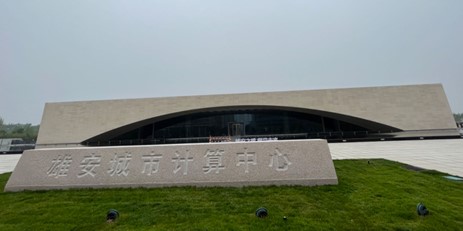
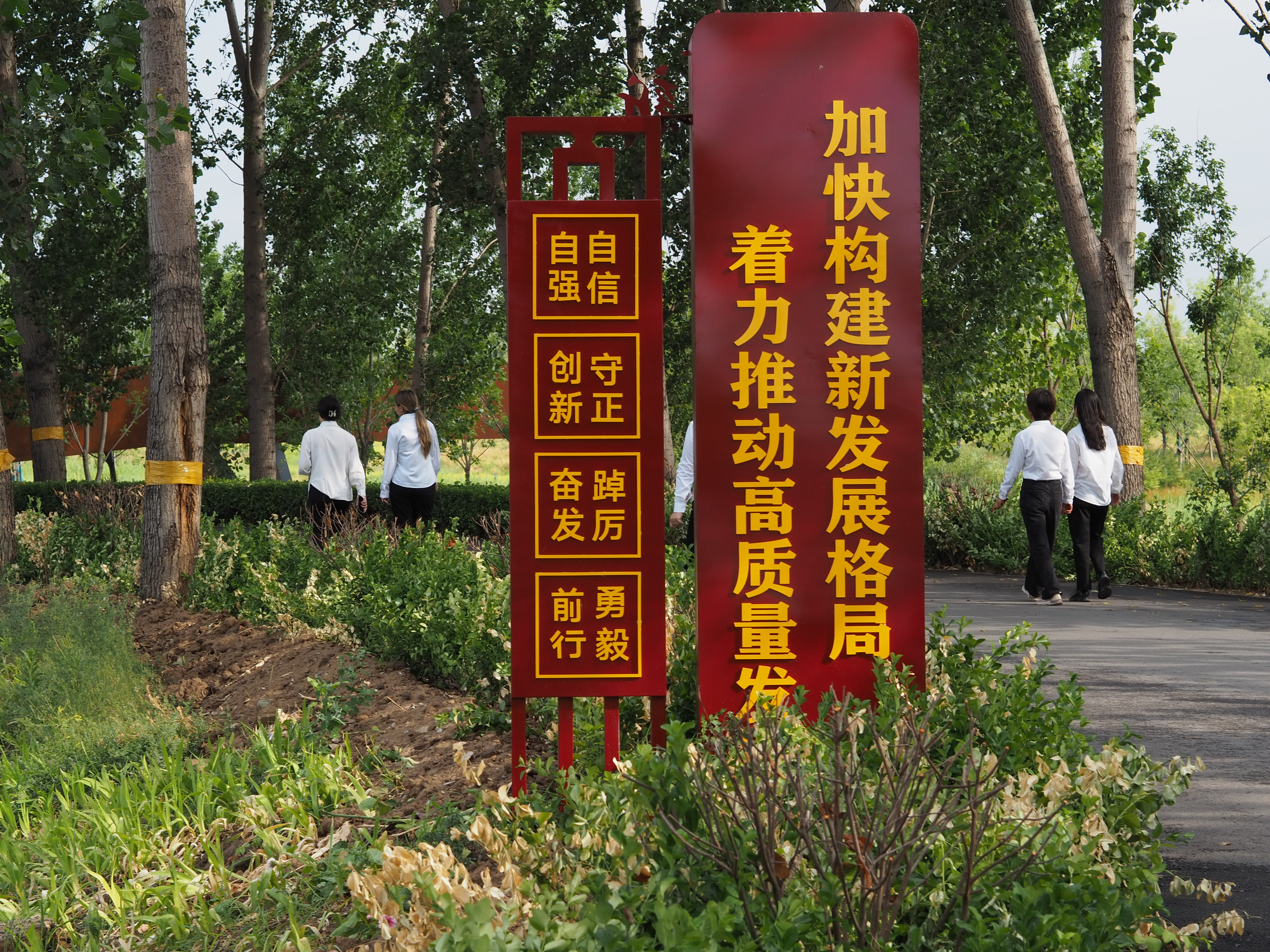
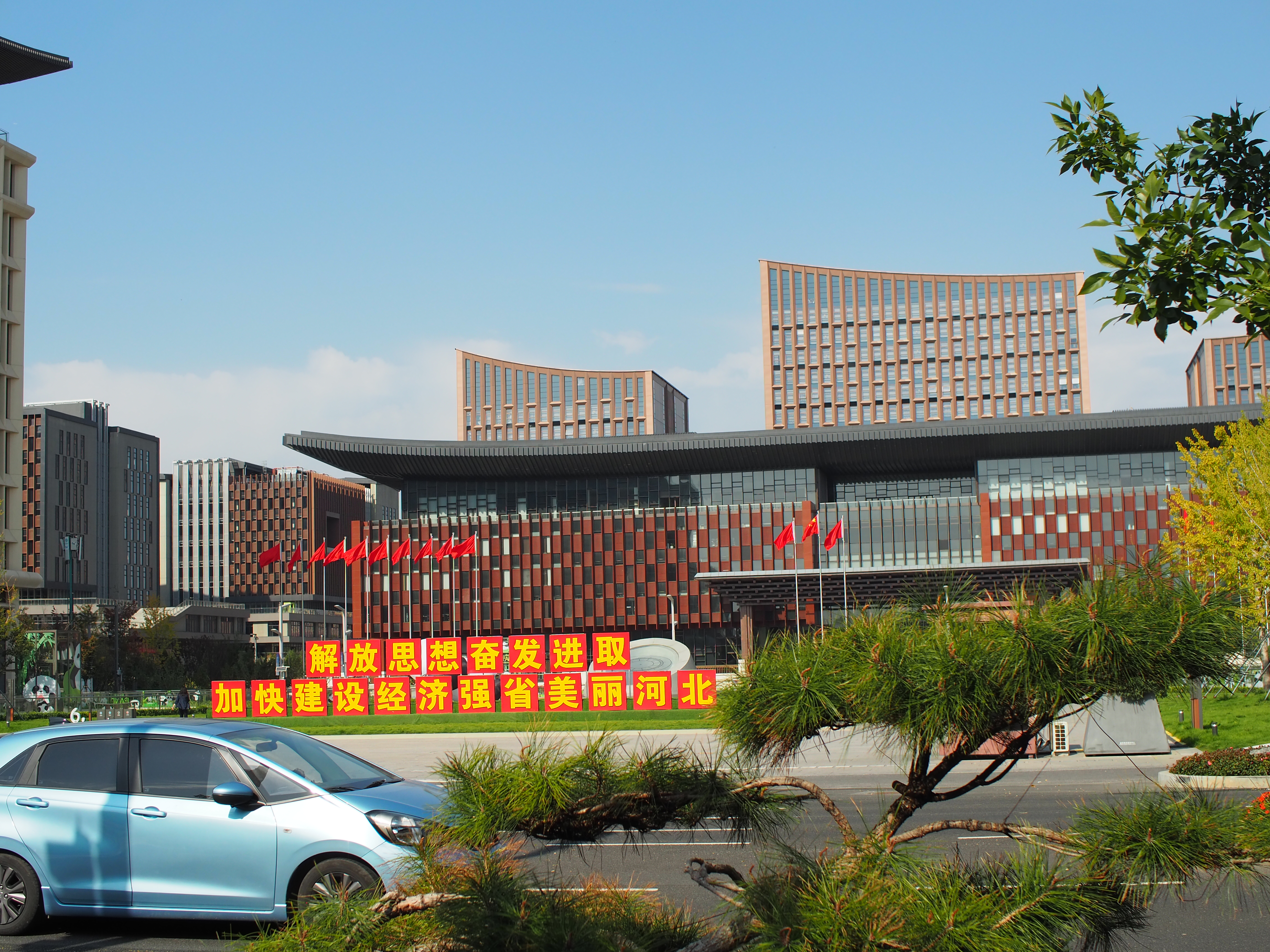
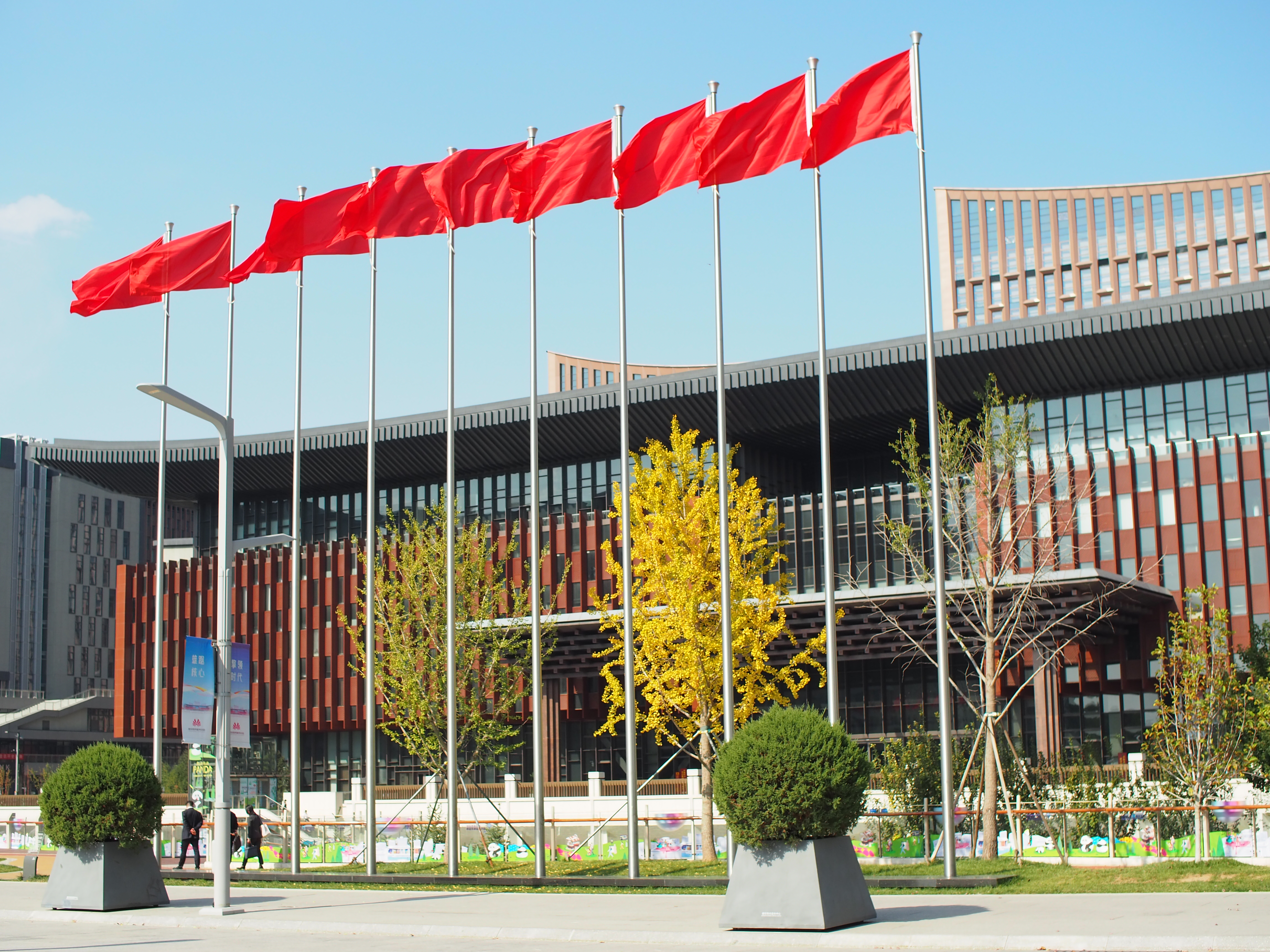
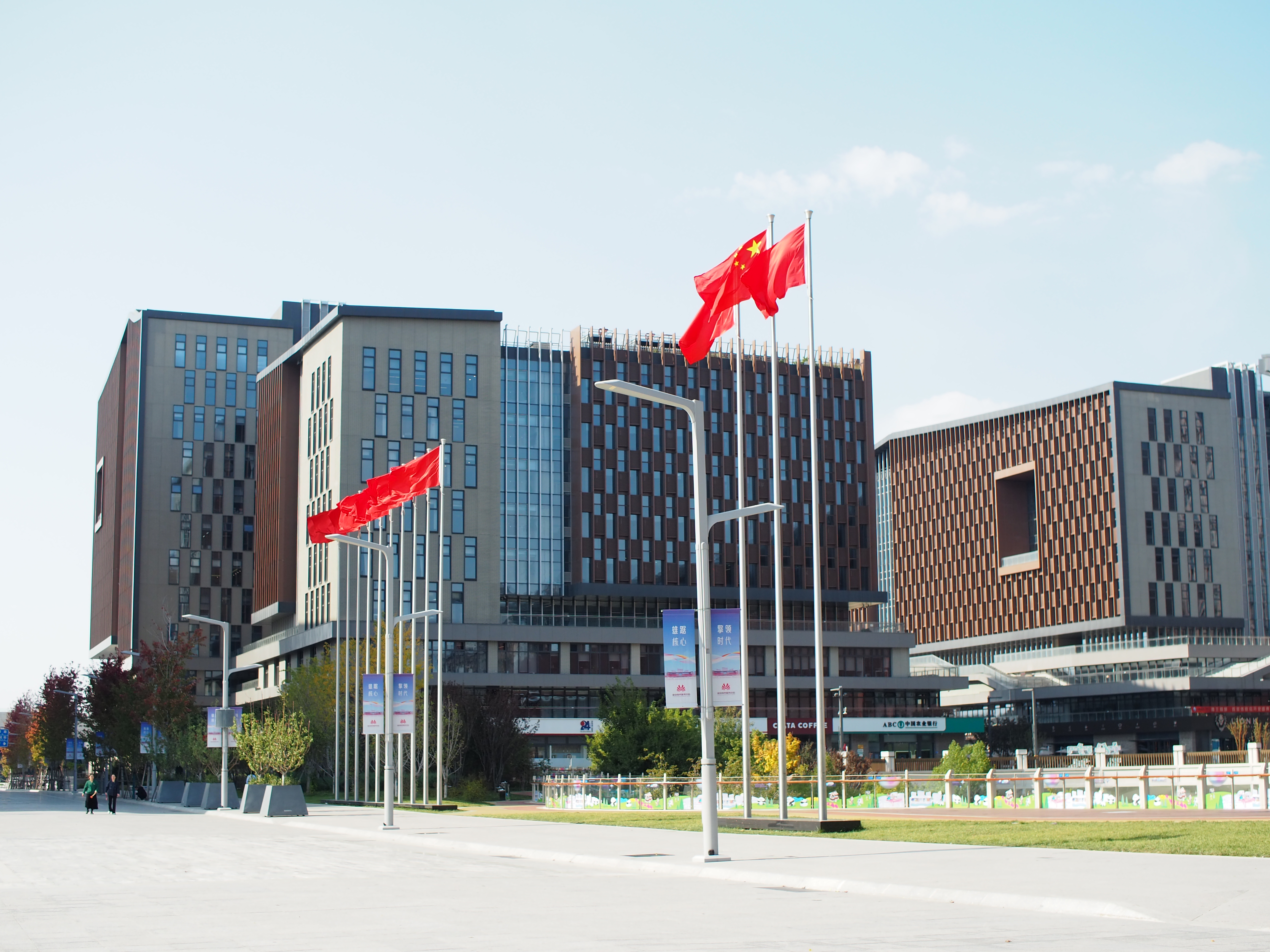
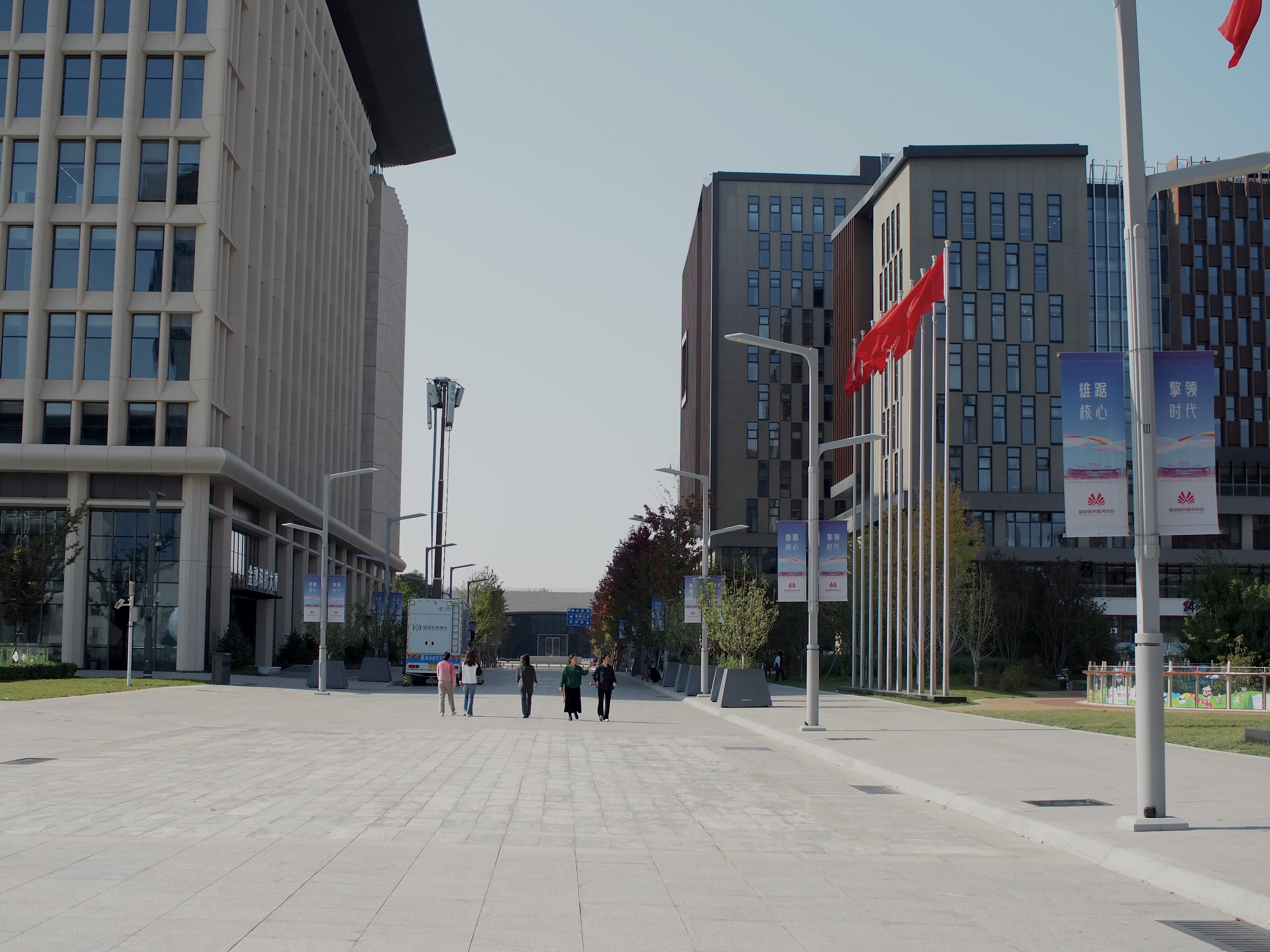
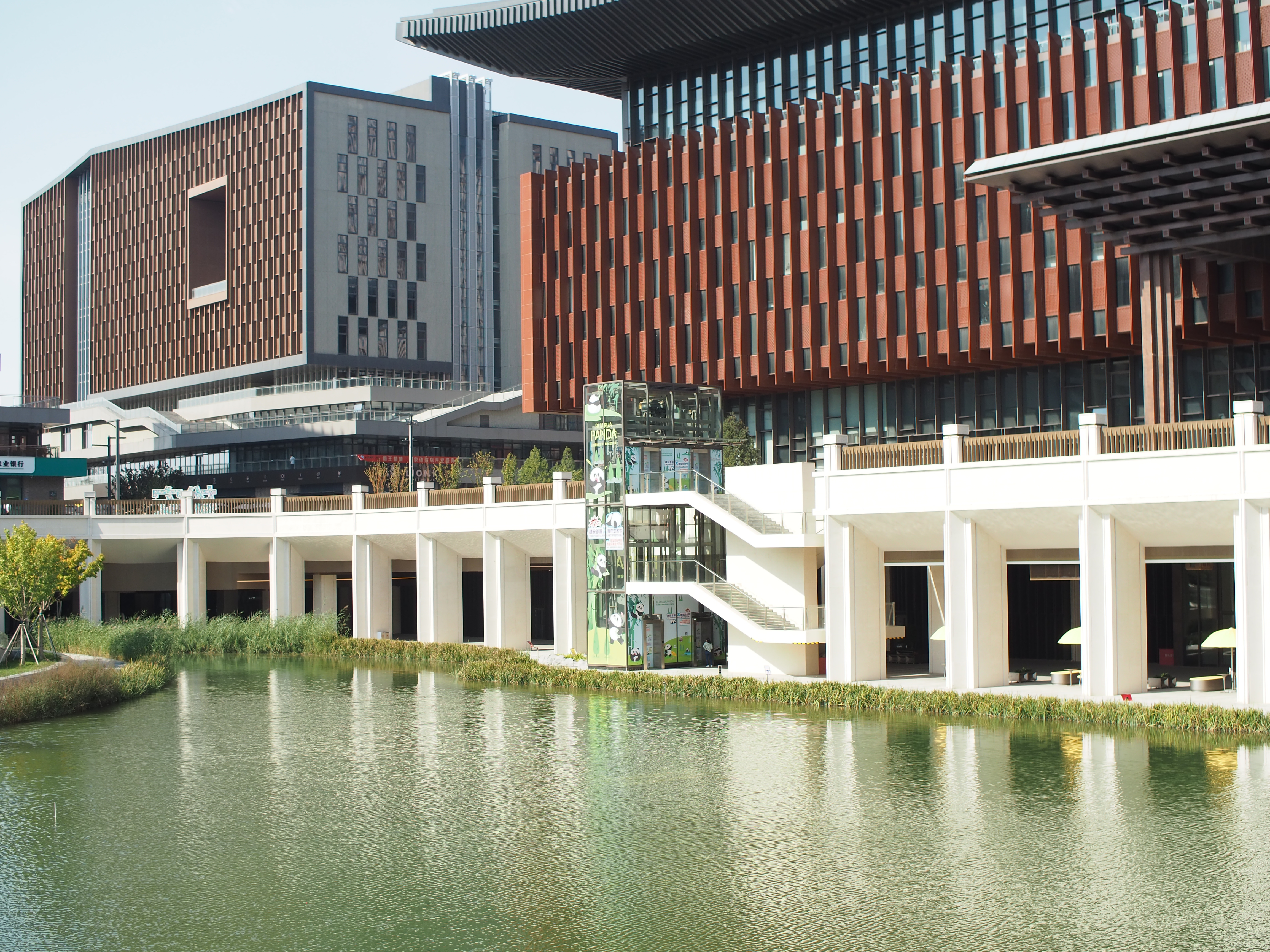
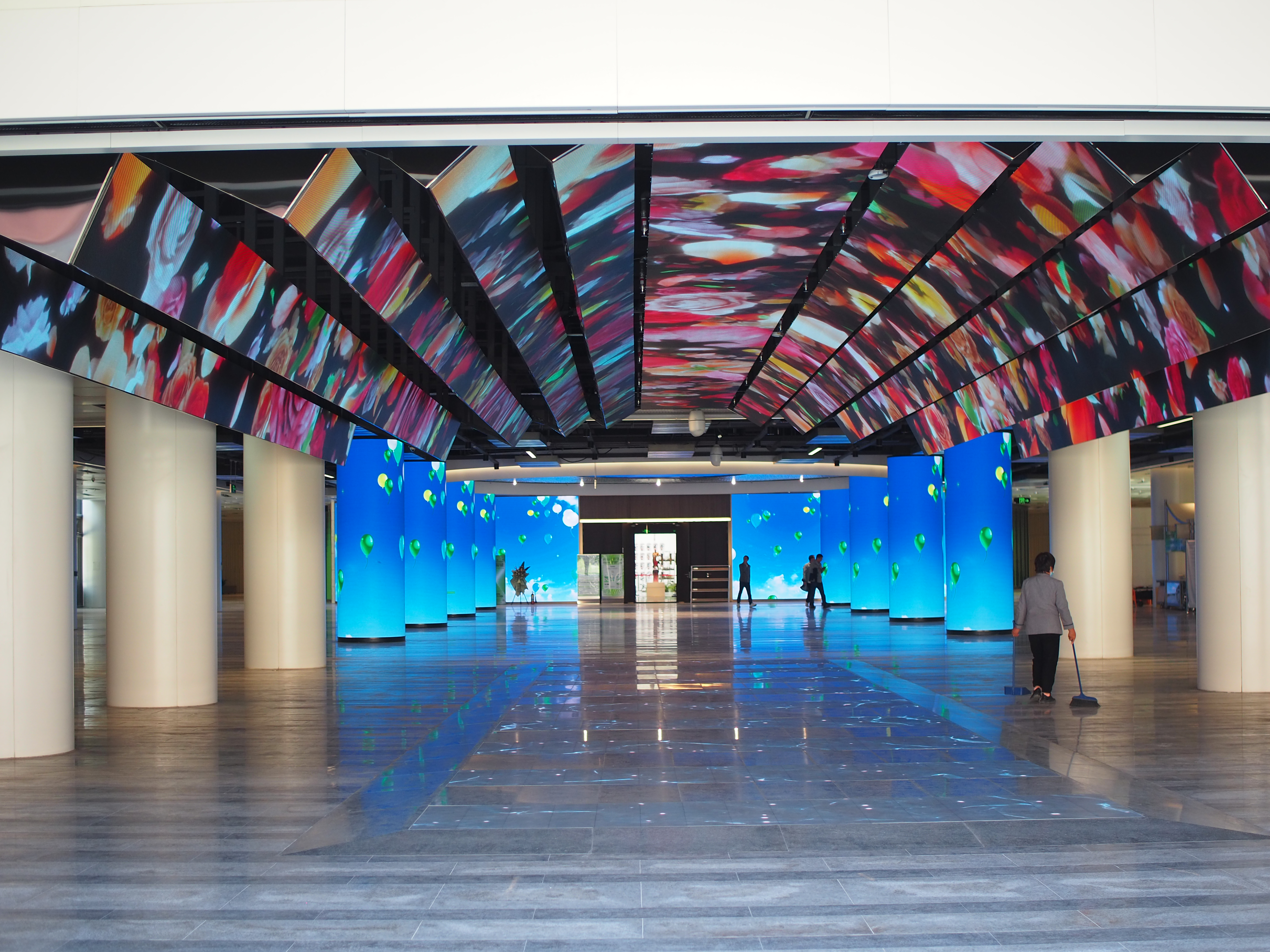
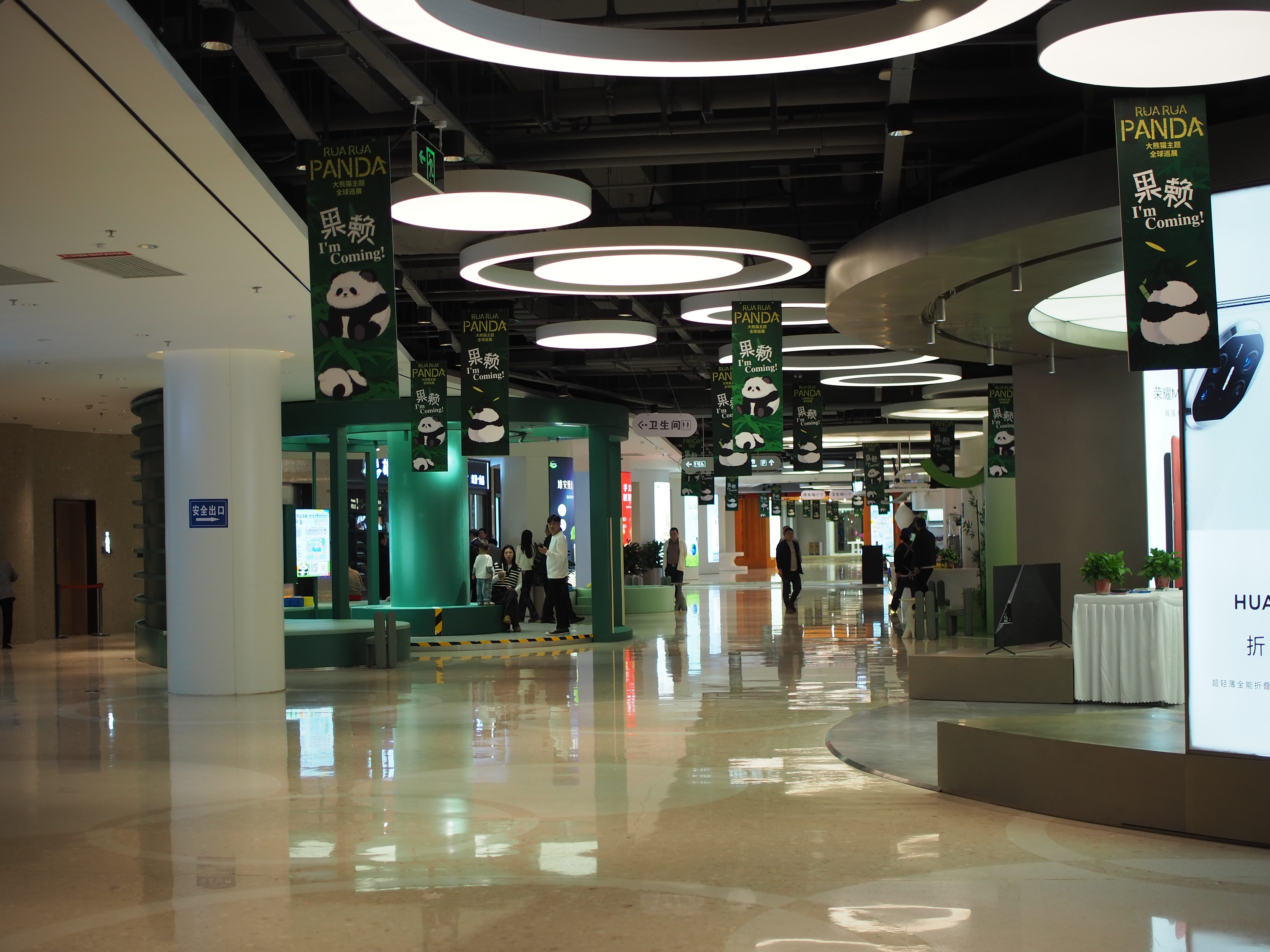
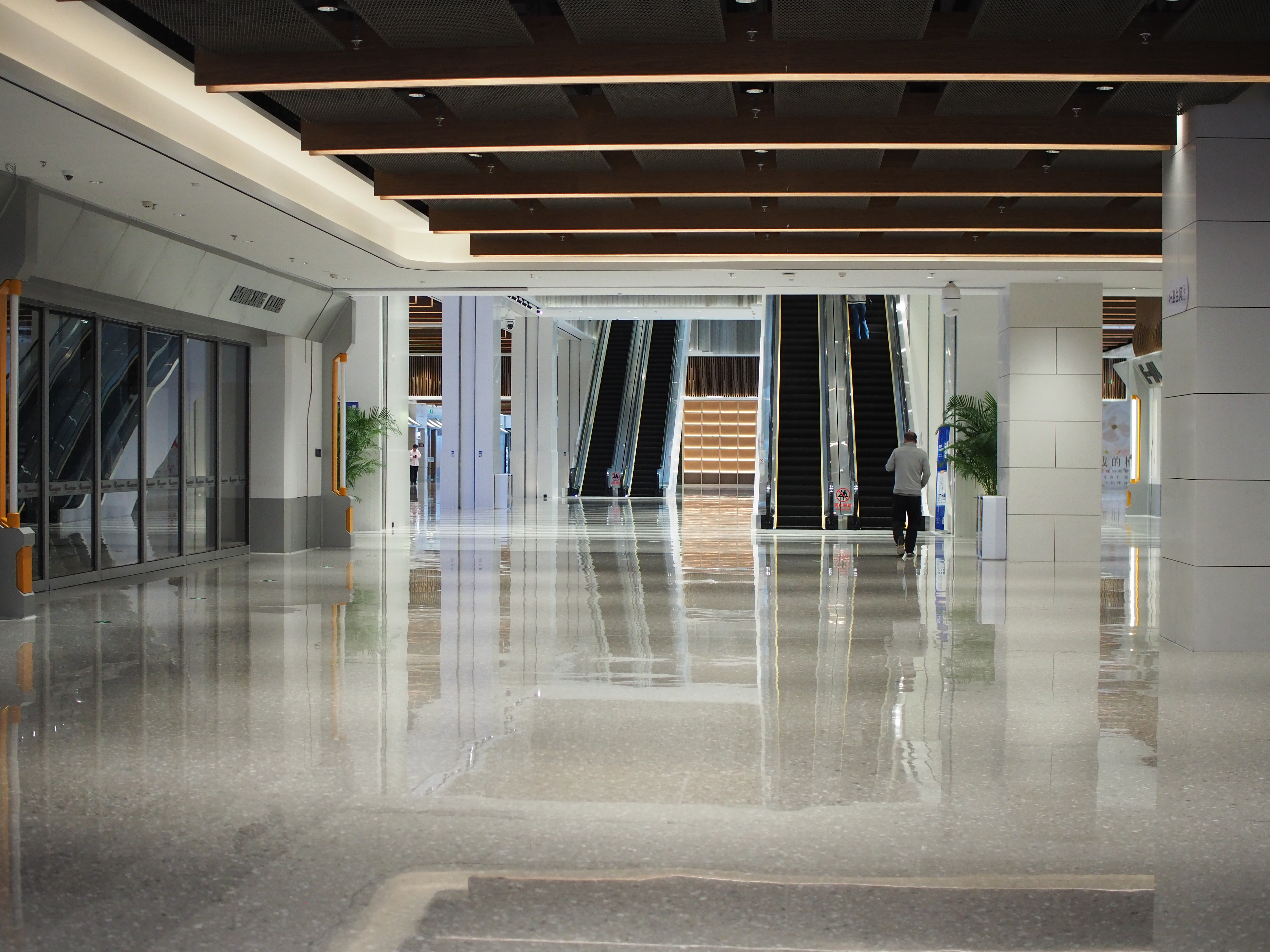
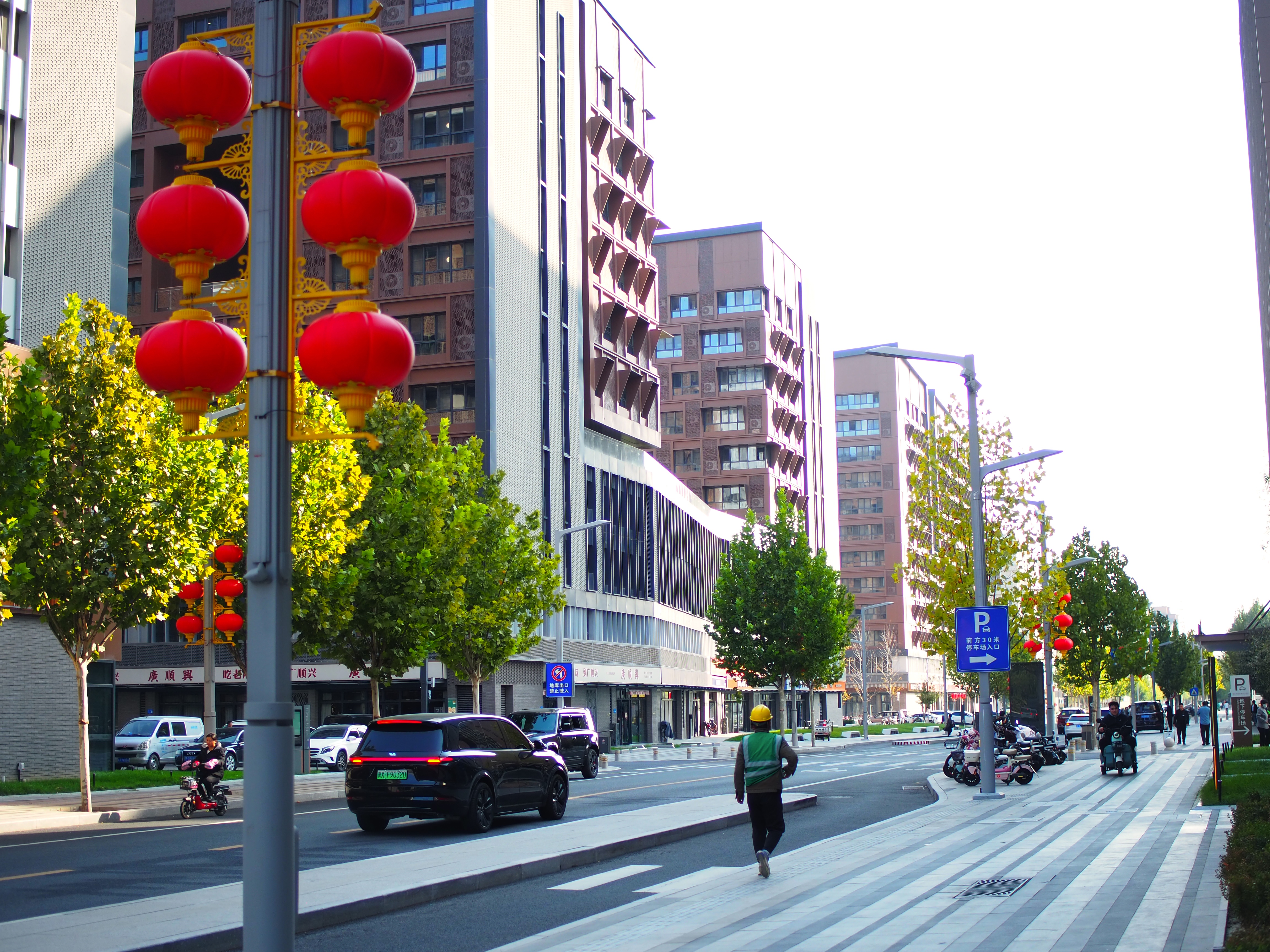
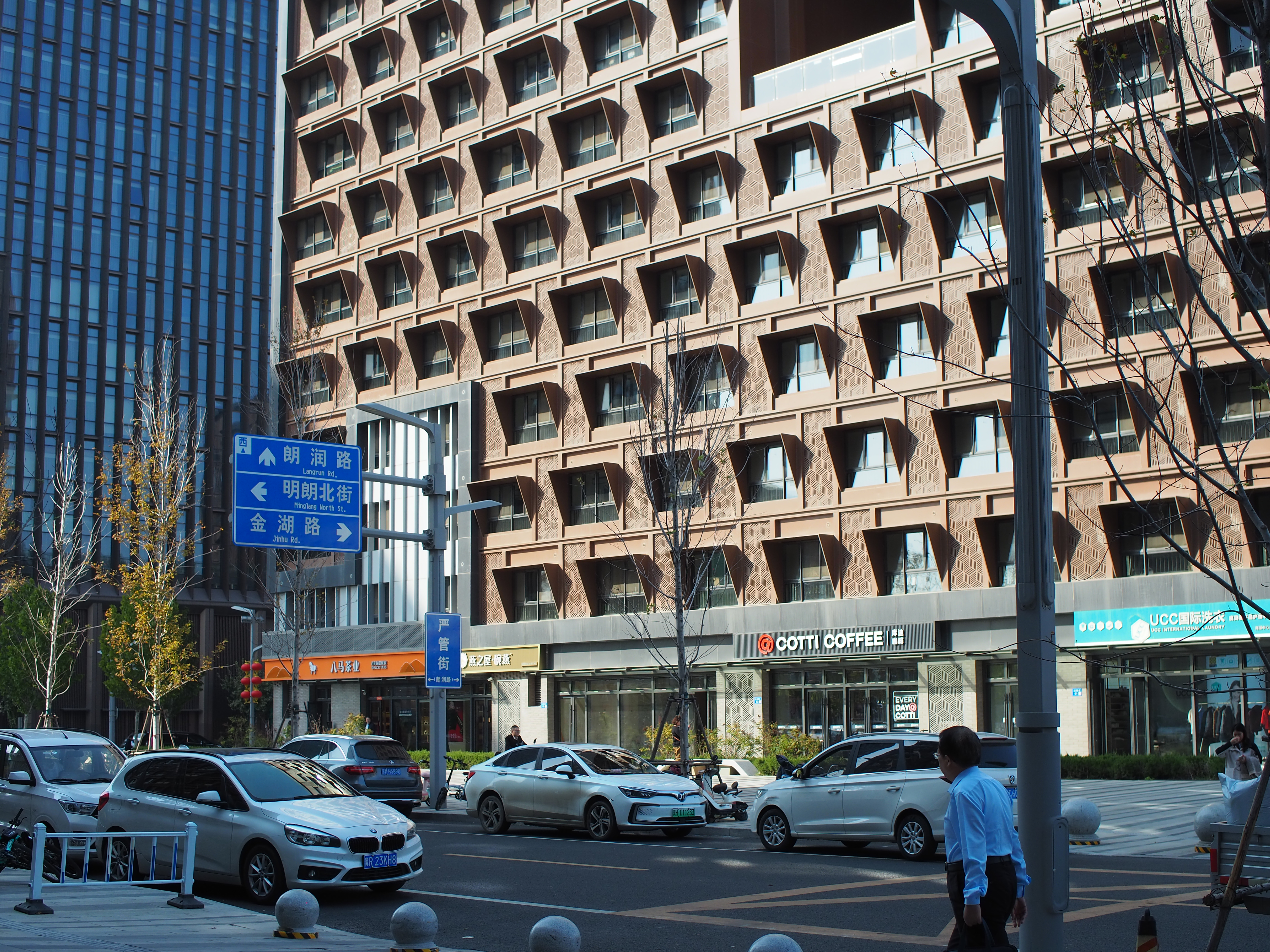
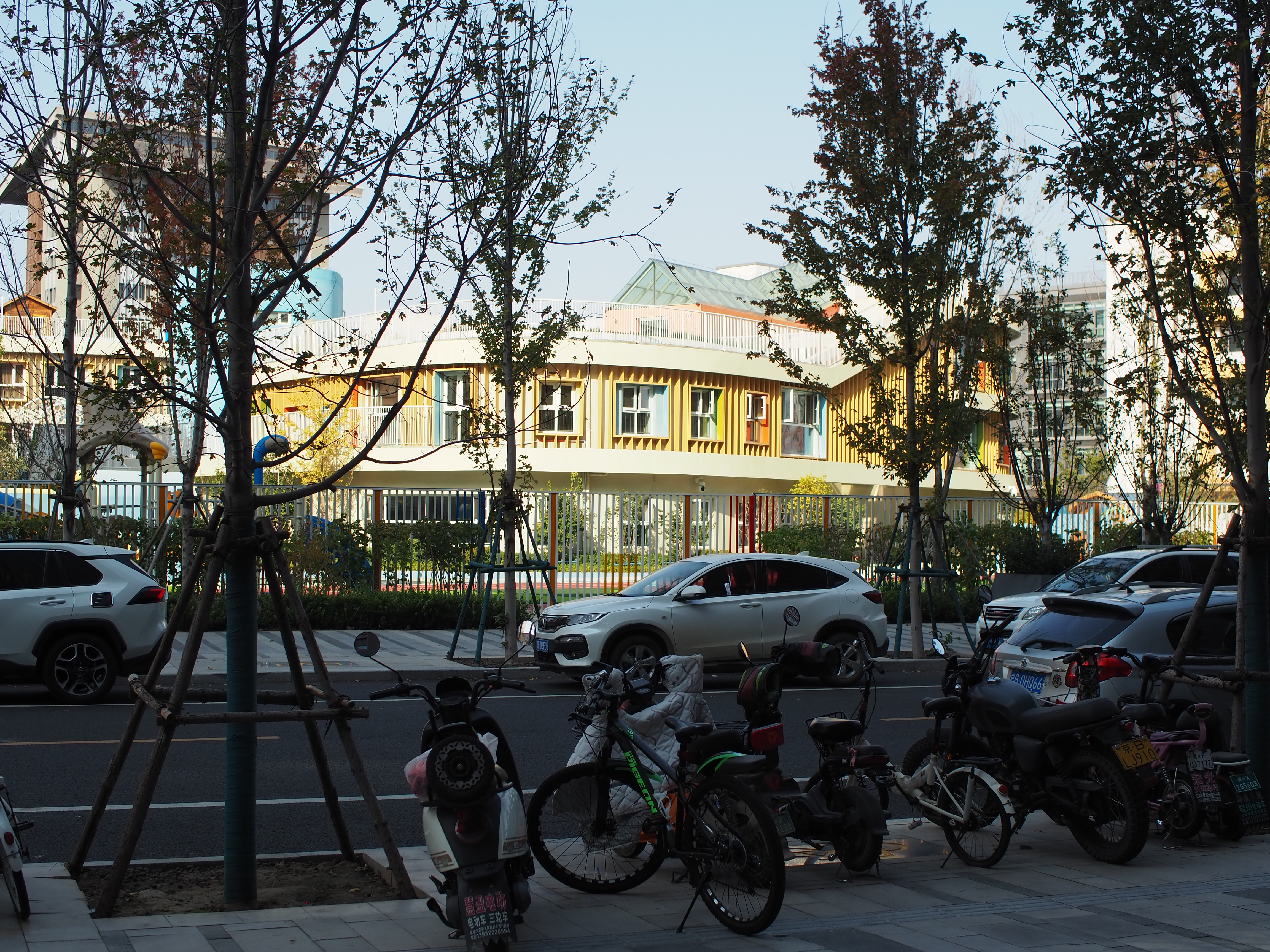
Photos by Fulong Wu. All rights reserved.
 ChinaUrban